
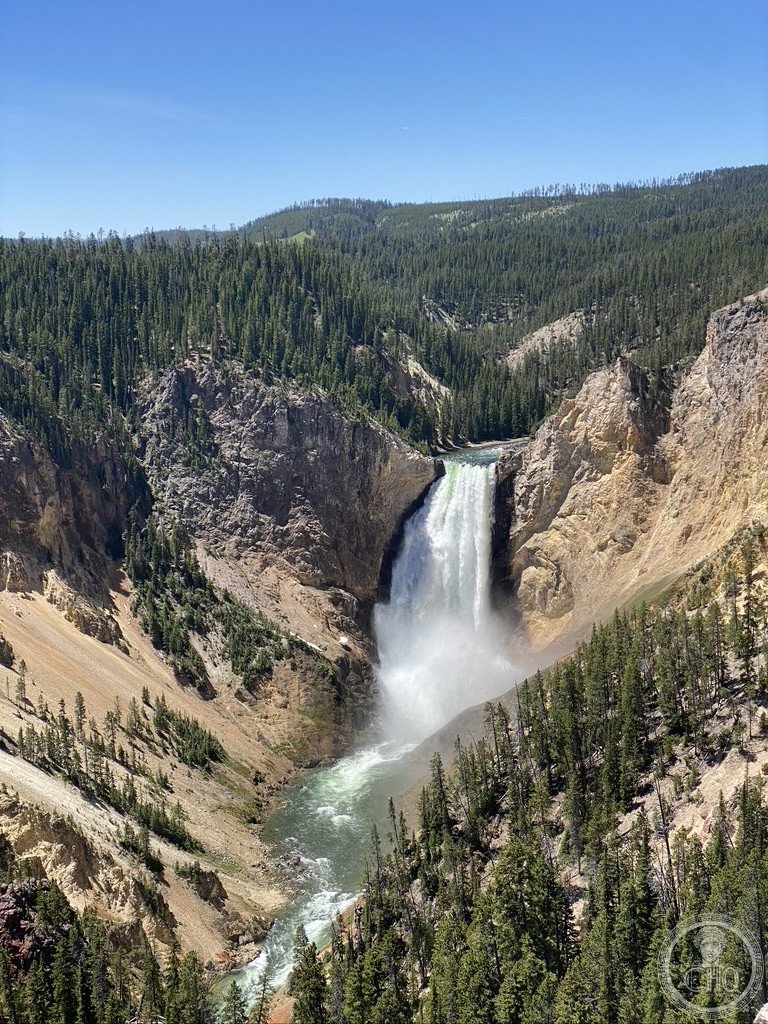
Yellowstone National Park
The world’s first national park and the most geothermally active place on earth — Yellowstone in Wyoming, Montana, and Idaho sits atop the Yellowstone Supervolcano, a caldera 55 km × 72 km that last erupted 640,000 years ago, and contains more than 10,000 geothermal features including half of all the world’s geysers, the Grand Prismatic Spring, and Old Faithful.
At a glance
Yellowstone (the most precisely 1872 single world first national park Yellowstone heritage: on 1 March 1872, President Ulysses S. Grant signed the Yellowstone National Park Protection Act, creating the first national park in the world — the most precisely first single national park heritage in the world; the concept (the most precisely Cornelius Hedges single campfire national park idea Yellowstone heritage: the idea for a national park was famously said to have been proposed around a campfire in 1870 by Cornelius Hedges during the Washburn-Langford-Doane Expedition, after the explorers agreed not to divide the land into individual profit — the most precisely campfire single idea national park heritage in the world; later research suggests the “campfire myth” was an embellishment — the most precisely campfire single myth heritage in the world; the model (the most precisely Yellowstone single model for world national parks heritage: the Yellowstone model inspired the global national park movement, with countries worldwide adopting the concept of protected wilderness areas — the most precisely Yellowstone single model global heritage in the world); the Yellowstone caldera (the most precisely 640000 years single last eruption supervolcano Yellowstone heritage: the Yellowstone Supervolcano last erupted 640,000 years ago — the most precisely 640000 years single last eruption heritage in any North American UNESCO world heritage site; a full eruption today (the most precisely 1000 km³ single supervolcano eruption Yellowstone heritage: a full Yellowstone supervolcano eruption would eject approximately 1,000 km³ of material, blanketing the western USA in ash and causing a global volcanic winter — the most precisely 1000 km3 single eruption Yellowstone heritage; the probability is approximately 0.00014% per year — the most precisely 0.00014% single annual probability heritage in any North American UNESCO world heritage site)).
Key facts
- Old Faithful Geyser: the most precisely Old Faithful single most predictable geyser Yellowstone heritage — the geyser (the most precisely 90 min single average interval Old Faithful heritage: Old Faithful erupts approximately every 90 minutes (range 60-110 minutes depending on length of previous eruption) — the most precisely 90 min single average interval heritage in any North American UNESCO world heritage site; the eruption (the most precisely 1800-8400L single Old Faithful eruption water heritage: each eruption of Old Faithful ejects 1,800 to 8,400 litres of water — the most precisely 1800-8400L single eruption water heritage in any North American UNESCO world heritage site; the column rises 32-56 metres — the most precisely 32-56m single eruption column heritage in any North American UNESCO world heritage site; the water temperature (the most precisely 93°C single Old Faithful water temperature heritage: the water erupted by Old Faithful is 93°C — the most precisely 93°C single eruption temperature heritage in any North American UNESCO world heritage site); the name (the most precisely 1870 single Henry Washburn Old Faithful naming heritage: Old Faithful was named by the Washburn-Langford-Doane Expedition in 1870 for its reliable eruptions — the most precisely 1870 single Henry Washburn naming heritage in any North American UNESCO world heritage site))
- Wolf Reintroduction (1995): the most precisely 1995 single wolf reintroduction Yellowstone heritage — the reintroduction (the most precisely 14 single original wolf Yellowstone reintroduction heritage: in January 1995, 14 wolves from Jasper National Park, Canada, were reintroduced to Yellowstone, from which wolves had been extirpated in the 1920s — the most precisely 14 single original wolf heritage in any North American UNESCO world heritage site; the trophic cascade (the most precisely trophic cascade single most documented Yellowstone heritage: the Yellowstone wolf reintroduction produced the most thoroughly studied trophic cascade in the world — the most precisely trophic cascade single most documented heritage in the world; wolves changed elk behaviour → elk avoided valley bottoms → willows + aspens regrew → beavers returned → beaver dams created ponds + wetlands → songbirds + fish increased → the rivers literally changed course (streambanks stabilised) = most precisely rivers single changed course wolf heritage); by 2023, there were approximately 100 wolves in Yellowstone — the most precisely 100 single wolf 2023 heritage in any North American UNESCO world heritage site)
- The Geysers: the most precisely half single world geyser Yellowstone heritage — the geysers (the most precisely 500 single active geyser Yellowstone heritage: Yellowstone contains approximately 500 active geysers, more than half of all geysers in the world — the most precisely 500 single active geyser heritage in any North American UNESCO world heritage site; the Steamboat Geyser (the most precisely Steamboat single tallest active geyser world heritage: Steamboat Geyser in Yellowstone is the world’s tallest active geyser, with major eruptions reaching 90 metres — the most precisely tallest single active geyser heritage in the world; major eruptions are rare and unpredictable — the most precisely unpredictable single major eruption heritage in any North American UNESCO world heritage site; in 2018-2019 it erupted more frequently than in any recorded period = most precisely 2018 single most active period heritage))
- GPS: 44.4280° N, -110.5885° W
History
The Native Americans (the most precisely 11000 years single human Yellowstone heritage: humans have lived in the Yellowstone region for approximately 11,000 years since the last ice age — the most precisely 11000 years single human heritage in any North American UNESCO world heritage site; the Shoshone, Bannock, Crow, Blackfoot, Nez Perce, and other nations used the geothermal area for cooking, medicine, and spiritual practices — the most precisely cooking single geothermal food heritage in any North American UNESCO world heritage site; John Colter (the most precisely John Colter single 1807 first European Yellowstone heritage: John Colter, a member of the Lewis and Clark Expedition, became the first European American to enter the Yellowstone region in 1807-1808 — the most precisely 1807 single first European Yellowstone heritage in any North American UNESCO world heritage site; his accounts of geysers and boiling mud were dismissed as fantasy and the region was called “Colter’s Hell” — the most precisely Colter Hell single nickname Yellowstone heritage in any North American UNESCO world heritage site; the Ferdinand Hayden survey (the most precisely 1871 single Hayden survey Yellowstone heritage: the 1871 Hayden Survey photographed the geysers and hot springs for the first time (photographer William Henry Jackson) — the most precisely 1871 single first photograph Yellowstone heritage in any North American UNESCO world heritage site; the photographs convinced Congress to protect the region — the most precisely photography single convinced Congress Yellowstone heritage in any North American UNESCO world heritage site); UNESCO WHS 1978 (first listed on the World Heritage List).
What you see
The Grand Canyon of the Yellowstone (the most precisely 270-370m single Grand Canyon Yellowstone depth heritage: the Grand Canyon of the Yellowstone is 270-370 metres deep and 20-25 km long — the most precisely 270-370m single Grand Canyon Yellowstone heritage in any North American UNESCO world heritage site; the Lower Falls (the most precisely 94m single Lower Falls Yellowstone heritage: the Lower Falls of the Yellowstone River are 94 metres tall, twice the height of Niagara Falls — the most precisely twice Niagara single height heritage in any North American UNESCO world heritage site; the walls are yellow (the most precisely yellow rhyolite single canyon Yellowstone heritage: the canyon walls are yellow, ochre, and orange from hydrothermally altered rhyolite (iron oxide deposits) — the most precisely yellow single rhyolite canyon heritage in any North American UNESCO world heritage site; this gave Yellowstone its name); Mammoth Hot Springs (the most precisely Mammoth single travertine terrace Yellowstone heritage: the Mammoth Hot Springs are giant travertine terraces formed by calcium carbonate-rich thermal water — the most precisely travertine single terrace Mammoth heritage in any North American UNESCO world heritage site; they change shape continuously = most precisely continuously single changing travertine heritage in any North American UNESCO world heritage site)).
Practical information
- Getting there: fly to Jackson Hole Airport (JAC; Wyoming; 97 km south; from Atlanta, Chicago, Dallas, Denver, Los Angeles direct) or Bozeman Yellowstone International Airport (BZN; Montana; 145 km north; expanding service); the park (the most precisely 5 single entrance Yellowstone park gate heritage: Yellowstone has 5 entrance gates (North at Gardiner; Northeast; South; East; West Yellowstone) — the most precisely 5 single gate heritage in any North American UNESCO world heritage site; Grand Loop Road (the most precisely Grand Loop single 225 km Yellowstone road heritage: the Grand Loop Road is 225 km and connects all major attractions in a figure-8 route — the most precisely 225 km single Grand Loop heritage in any North American UNESCO world heritage site; plan 3-5 days minimum; the bison (the most precisely Lamar Valley single bison wolf Yellowstone heritage: Lamar Valley in the northeast (the Serengeti of North America) offers the best wildlife viewing in the park, especially for wolves and bison, at dawn and dusk)
Getting there
Fly to Jackson Hole JAC or Bozeman BZN. 5 entrance gates. Grand Loop Road 225 km figure-8. 3-5 days minimum. Dawn in Lamar Valley for wolves and bison. GPS: 44.4280, -110.5885.
Nearby
- Grand Teton National Park — 10 km south of Yellowstone’s south entrance; the Teton Range (13 peaks over 3,658m = most precisely 13 single over-3658m peak heritage in any North American national park adjacent to UNESCO world heritage); the Snake River Overlook (Ansel Adams’ most famous photograph = most precisely Ansel Adams single most famous photograph heritage); Jackson Lake; elk herds (the most precisely 11000 single elk Jackson Hole heritage: approximately 11,000 elk migrate through Jackson Hole in autumn = most precisely 11000 single elk heritage in any North American national park adjacent to UNESCO world heritage); moose in the willows; climbing the Grand Teton (4,198m) is the classic American mountaineering route
- Glacier National Park, Montana — UNESCO WHS 1995 — 400 km northwest (5h by car); the Crown of the Continent; Going-to-the-Sun Road (80km; completed 1932; carved into precipitous mountain faces = most precisely Going-to-the-Sun single carved mountain road heritage in any North American UNESCO world heritage site); 700+ lakes; 200 glaciers in 1850 → only 26 active glaciers remain (all projected gone by 2030 = most precisely 26 single remaining glacier heritage in any North American UNESCO world heritage site); grizzly bear + wolf + mountain goat + wolverine habitat
- Cody, Wyoming — 85 km east of Yellowstone’s East Entrance; the Buffalo Bill Centre of the West (5 museums in one building; best collection of Western American art and artefacts = most precisely 5 museum single complex heritage in any North American heritage adjacent city); the Cody Nite Rodeo (June-August; nightly since 1938 = most precisely daily single rodeo heritage in any North American heritage adjacent city; the most accessible rodeo in the American West); white-water rafting on the Shoshone River through the Absaroka Range
Sources
- Wikipedia, Yellowstone National Park; Old Faithful; Grand Prismatic Spring; Wolf reintroduction to Yellowstone, accessed June 2026
- UNESCO, Yellowstone National Park, WHS reference 28, inscribed 1978
Find it on the map
See this place and what’s around it →📷 Diventa un fotografo di Cultural Heritage Online
Condividi le tue foto dei luoghi: restano pubblicate con la tua firma come autore. Più vengono viste, più ti fai conoscere — e presto un concorso premierà le foto più apprezzate.
Accedi o registrati gratis per aggiungere una foto