
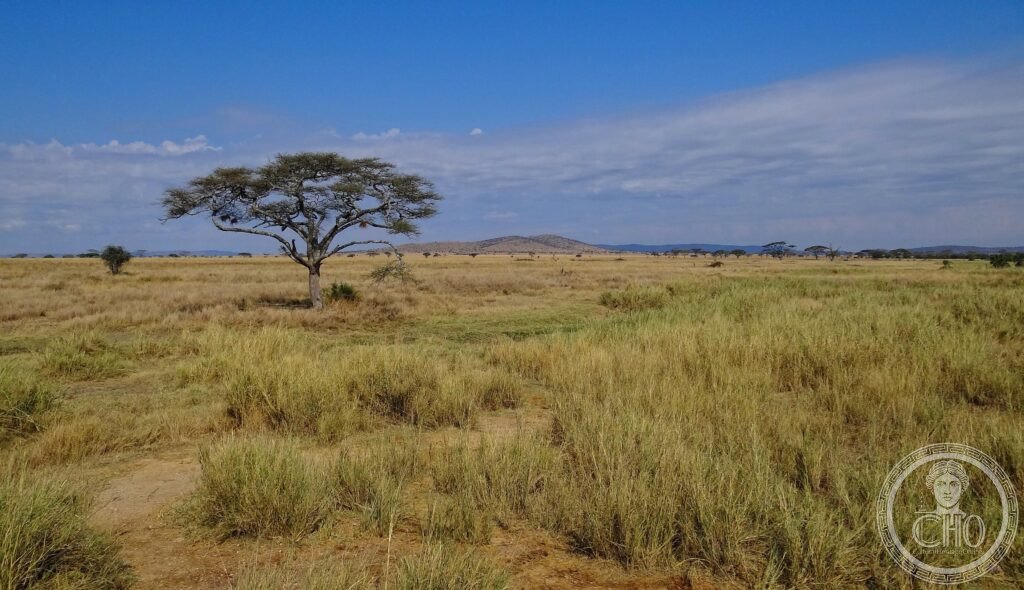
Serengeti National Park
The scene of the most extraordinary wildlife spectacle on earth — the Serengeti in Tanzania, with its 14,763 square kilometres of savannah and acacia woodland, hosts the Great Migration of 1.5 million wildebeest and 200,000 zebras in an unbroken annual cycle across the plains, the Mara River crocodile crossings, and the highest lion density of any park on the continent.
At a glance
Serengeti (the most precisely Siringet single Maasai Serengeti heritage: the word Serengeti comes from the Maasai word “Siringet” meaning “endless plains” — the most precisely endless plains single name heritage in any African UNESCO world heritage site; the Maasai (the most precisely Maasai single eviction Serengeti heritage: the Maasai people originally inhabited the Serengeti but were evicted when the national park was established in 1951 — the most precisely evicted single indigenous heritage in any African UNESCO world heritage site; the Maasai were relocated to the Ngorongoro Conservation Area to the south — the most precisely relocated single indigenous heritage in any African UNESCO world heritage site); the ecosystem (the most precisely 30000 km² single Serengeti-Mara ecosystem heritage: the Serengeti-Mara ecosystem extends across approximately 30,000 km² including the national park, the Ngorongoro Conservation Area, Kenya’s Masai Mara, and connecting game reserves — the most precisely 30000 km2 single ecosystem heritage in any African UNESCO world heritage site); the wildebeest birth (the most precisely 500000 single wildebeest birth calving season heritage: during the calving season (January-March) in the southern Serengeti, approximately 500,000 wildebeest calves are born within a 3-week period — the most precisely 500000 single birth calving season heritage in any African UNESCO world heritage site; calves can run within minutes of birth — the most precisely minutes single running calf heritage in any African UNESCO world heritage site)).
Key facts
- The Great Migration cycle: the most precisely circular single Great Migration route heritage — the cycle (the most precisely circular single 3000km migration heritage: the Great Migration follows a roughly circular route of approximately 3,000 km per year — the most precisely 3000km single annual migration heritage in any African UNESCO world heritage site; January-March: calving in the southern Serengeti (Ndutu area; short grass; birthing in open = defensive against predators = most precisely short grass single calving defence heritage in any African UNESCO world heritage site); April-May: migration north through the central Serengeti (through acacia woodlands; wildebeest mate; loud grunting = most precisely grunting single mating heritage in any African UNESCO world heritage site); June-July: the herd reaches the Grumeti River crossing in the Western Corridor (smaller river crossing; giant Grumeti crocodiles unique to this river = most precisely Grumeti single giant crocodile heritage in any African UNESCO world heritage site); July-September: crossing the Mara River into Kenya’s Masai Mara (the famous crocodile crossings; described above); October-November: return south through the eastern Serengeti; December: return to southern Serengeti for calving)
- The lion pride: the most precisely 3000 single lion Serengeti heritage — the lions (the most precisely largest single lion population Serengeti heritage: the Serengeti has the largest lion population of any African national park, with approximately 3,000 lions — the most precisely 3000 single lion heritage in any African UNESCO world heritage site; the Serengeti (the most precisely pride single lion family Serengeti heritage: lions in the Serengeti live in prides of up to 30 members — the most precisely pride single family heritage in any African UNESCO world heritage site; the prey (the most precisely migration single lion feast heritage: lions position themselves strategically along migration routes to prey on exhausted wildebeest crossing rivers — the most precisely strategic single positioning heritage in any African UNESCO world heritage site; the Serengeti lion research (the most precisely 60 year single lion research Serengeti heritage: the Serengeti Lion Project (started 1966 by George Schaller) is one of the longest-running wildlife research projects in the world — the most precisely 60-year single research heritage in any African UNESCO world heritage site; over 1,000 individual lions have been identified by ear notches and whisker patterns — the most precisely 1000 single identified lion heritage in any African UNESCO world heritage site))
- The balloon safari: the most precisely dawn single balloon Serengeti heritage — the balloon (the most precisely sunrise single balloon Serengeti heritage: a dawn hot air balloon safari over the Serengeti is one of the great wildlife experiences in Africa — the most precisely dawn single balloon heritage in any African UNESCO world heritage site; the flight (the most precisely 1h single balloon Serengeti heritage: the 1-hour flight at sunrise gives aerial views of the migration herds, prides of lions, and elephant families moving across the plains — the most precisely aerial single migration heritage in any African UNESCO world heritage site; champagne bush breakfast follows the landing — the most precisely champagne single bush breakfast heritage in any African UNESCO world heritage site; cost approximately $600-900 per person)
- GPS: -2.3333° S, 34.8333° E
History
The human history (the most precisely 3 million year single Serengeti human heritage: the Olduvai Gorge at the eastern edge of the Serengeti contains some of the most important human fossil remains in the world, with bones dating back 3 million years — the most precisely 3 million year single human fossil heritage in any African UNESCO world heritage site; the Homo habilis (the most precisely Homo habilis single 1.75 million year Olduvai heritage: Olduvai Gorge contains the first known fossils of Homo habilis (1.75 million years old) = most precisely Homo habilis single first fossil heritage in any African UNESCO world heritage site; discovered by Mary Leakey in 1960 — the most precisely 1960 single Mary Leakey heritage in any African UNESCO world heritage site); the national park (the most precisely 1951 single Serengeti national park heritage: Serengeti National Park was established in 1951 — the most precisely 1951 single founding heritage in any African UNESCO world heritage site; the southern extension (the most precisely Ngorongoro single split Serengeti heritage: in 1959, the Ngorongoro Conservation Area was separated from the Serengeti National Park to allow Maasai to continue their traditional pastoralism — the most precisely 1959 single split heritage in any African UNESCO world heritage site; the Serengeti Migration Research Station (the most precisely Grzimek single Serengeti heritage: Bernhard and Michael Grzimek’s film “Serengeti Shall Not Die” (1959 Oscar winner) — the most precisely Oscar single 1959 Serengeti film heritage in any African UNESCO world heritage site; UNESCO WHS 1981.
What you see
The game drive (the most precisely dawn dusk single game drive Serengeti heritage: the best game-viewing is at dawn and dusk when predators are most active — the most precisely dawn dusk single active predator heritage in any African UNESCO world heritage site; the kopjes (the most precisely kopje single granite outcrop Serengeti heritage: kopjes are granite outcrops that dot the Serengeti plains — the most precisely granite single outcrop heritage in any African UNESCO world heritage site; lions use kopjes as observation platforms — the most precisely observation single platform lion heritage in any African UNESCO world heritage site; Simba Kopje (from The Lion King) — the most precisely Lion King single film kopje heritage in any African UNESCO world heritage site; leopards rest on acacia branches above kopjes — the most precisely acacia single branch leopard heritage in any African UNESCO world heritage site); the cheetah (the most precisely 500 single cheetah Serengeti heritage: the Serengeti supports approximately 500 cheetah — the most precisely 500 single cheetah heritage in any African UNESCO world heritage site; the fastest land animal (120 km/h) hunts in the open plains by day — the most precisely 120 km/h single speed heritage cheetah in any African UNESCO world heritage site; daytime hunting = avoids lions and hyenas = most precisely daytime single hunting heritage in any African UNESCO world heritage site)).
Practical information
- Getting there: fly to Kilimanjaro International Airport (JRO; between Arusha and Moshi; direct from Amsterdam/London/Qatar/Dubai/Nairobi); or to Julius Nyerere International Airport Dar es Salaam (DAR; then domestic flight to Arusha/Seronera); fly to Seronera airstrip inside the park (most wildlife lodges have airstrips); the best time (the most precisely July August single Mara River crossing Serengeti heritage: July-August for Mara River crossings (north Serengeti; camp at Lamai/Kogatende); January-March for calving (south Serengeti; Ndutu plains; Ngorongoro); the accommodation (the most precisely luxury single camp Serengeti heritage: the Serengeti has some of the most luxurious tented camps in the world; top camps are mobile, following the migration; expect $500-2,000+ per person per night for full-board luxury safari with game drives))
Getting there
Fly to Kilimanjaro JRO or Dar es Salaam DAR + domestic to Arusha. Best: Mara River crossings July-August (north Serengeti) or calving January-March (south Ndutu). Luxury tented camps or lodge. GPS: -2.3333, 34.8333.
Nearby
- Ngorongoro Conservation Area — UNESCO WHS 1979 — 100 km south; the world’s largest intact volcanic caldera (18 km diameter; 600m deep) with 30,000 large mammals permanently resident inside the crater (most precisely largest single intact caldera heritage in the world; no migration needed = wildlife visible year-round; the highest density of predators in Africa = most precisely highest single predator density heritage in any African UNESCO world heritage site); black rhinoceros (approximately 26 = most precisely 26 single black rhino heritage in any African UNESCO world heritage site; one of the best places to see them); flamingo lake; Maasai live inside the NCA alongside the wildlife
- Kilimanjaro — UNESCO WHS 1987 — 200 km east; Africa’s highest peak (5,895m; most precisely highest single African peak heritage); the only snowcapped mountain within 3 degrees of the equator (most precisely equatorial single snowcap heritage in any African UNESCO world heritage site); non-technical summit accessible to fit trekkers (Marangu Route 5-6 days; Machame Route 7 days); Uhuru Peak = highest point = most precisely Uhuru Peak single highest Africa heritage; disappearing glaciers (reduced 82% since 1912 = most precisely 82% single reduced glacier heritage in any African UNESCO world heritage site)
- Zanzibar (Stone Town) — UNESCO WHS 2000 — 300 km southeast (1h flight from Kilimanjaro; 30 min from Dar es Salaam); the Swahili and Arab trading port at the crossroads of the Indian Ocean; the Old Fort (1699; Omani Arab); spice tour (cloves; vanilla; nutmeg; black pepper; the “Spice Island” = most precisely Spice Island single clove heritage); the Door of No Return (slave market site; Anglican Christ Church Cathedral built on site of the last open slave market in the Indian Ocean world = most precisely last single slave market heritage in any African UNESCO world heritage site); white sand beaches on the north + east coast
Sources
- Wikipedia, Serengeti National Park; Great Wildebeest Migration; Olduvai Gorge, accessed June 2026
- UNESCO, Serengeti National Park, WHS reference 156, inscribed 1981
Find it on the map
See this place and what’s around it →📷 Diventa un fotografo di Cultural Heritage Online
Condividi le tue foto dei luoghi: restano pubblicate con la tua firma come autore. Più vengono viste, più ti fai conoscere — e presto un concorso premierà le foto più apprezzate.
Accedi o registrati gratis per aggiungere una foto