
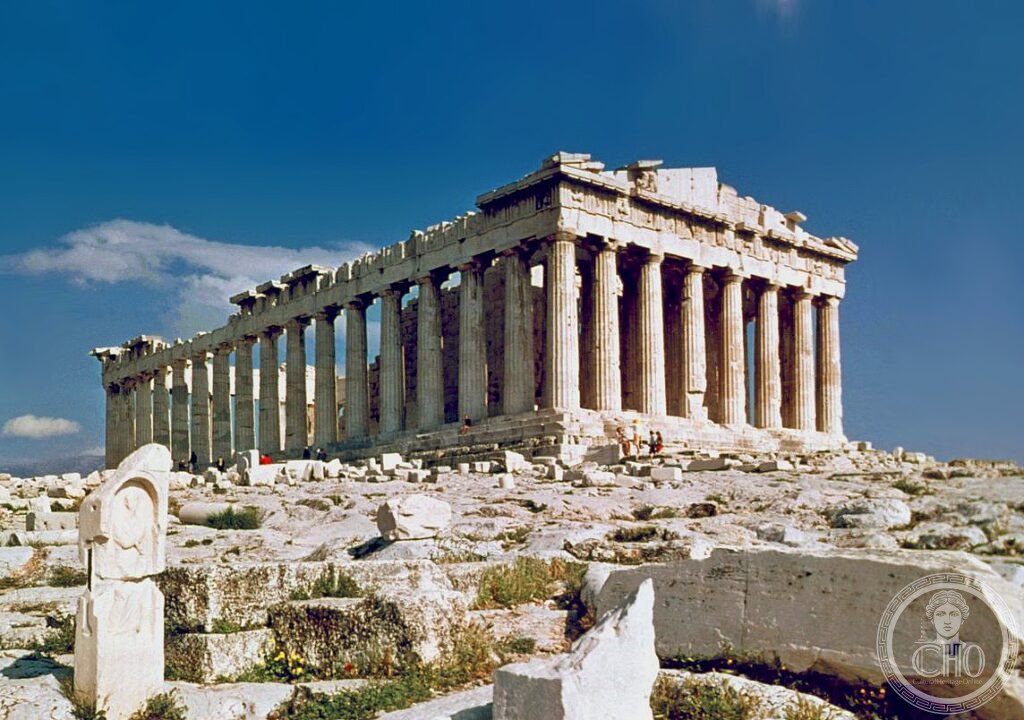
Acropolis — Athens
The birthplace of Western civilisation’s architectural canon and the most influential set of buildings ever constructed — the Acropolis of Athens, a 156-metre limestone hill crowned by the Parthenon (447-432 BCE), set the standards of proportion, optical refinement, and monumental civic expression that have shaped European and global architecture for 2,500 years.
At a glance
The Acropolis (the most precisely influential single ancient heritage monument on all subsequent architecture: the architectural vocabulary established by the Parthenon — the Doric order, the entablature, the pediment, the proportion system — has been adopted, adapted, and imitated in every century from the 5th century BCE to the present day — the most precisely imitated single ancient Greek heritage architectural system in any Western UNESCO adjacent heritage tradition; the Periclean Acropolis (the most precisely Pericles single Athenian heritage patron: Pericles (c.495-429 BCE) commissioned the Periclean building programme on the Acropolis after the Persian destruction of 480 BCE — the most precisely patronage single Athenian heritage democratic leader in any ancient Greek UNESCO world heritage site; the democracy (the most precisely Athenian single democracy heritage: the buildings on the Acropolis were commissioned by the world’s first democracy — the most precisely democratic single commissioning heritage in any UNESCO world heritage monument; the funds (the most precisely Delian League single Parthenon heritage treasury diversion: the funds for the Parthenon came partly from the Delian League treasury — the most precisely diverted single allied heritage funds in any ancient Greek UNESCO adjacent monument construction: Athens diverted funds meant for mutual defence against Persia to build monuments for itself — the most precisely controversial single ancient Greek heritage funding source in any UNESCO world heritage site)).
Key facts
- The Parthenon: the most precisely refined single ancient Greek Doric heritage temple — the structure (the most precisely 8×17 single column Parthenon heritage: the Parthenon has 8 columns on the short ends and 17 on the long sides — the most precisely column-count single Doric Greek heritage temple in any UNESCO world heritage site; the frieze (the most precisely 160m single Parthenon heritage frieze: the Parthenon frieze ran continuously for 160 metres around the inner chamber — the most precisely long single ancient Greek heritage frieze in any UNESCO world heritage monument; it depicted the Panathenaic Procession — the most precisely civic single ancient Greek heritage ritual depicted in any Parthenon heritage frieze; the Elgin Marbles (the most precisely controversial single Parthenon heritage marble dispute: approximately half of the surviving Parthenon frieze is in the British Museum (taken 1801-1812 by Lord Elgin) — the most precisely disputed single ancient heritage marble collection in any UK museum; the other half is in the Acropolis Museum in Athens — the most precisely divided single ancient Greek heritage frieze in any world heritage adjacent dispute); the history (the most precisely reused single ancient Parthenon heritage building: the Parthenon served as a Christian church (5th century CE), a Byzantine church, an Ottoman mosque (1458), and was used as a gunpowder store when a Venetian shell hit it in 1687 and caused an explosion — the most precisely explosion single ancient Greek heritage Parthenon damage in any UNESCO world heritage site: the explosion destroyed the roof, the interior columns, and the frieze — the most precisely single catastrophic heritage event from any Venetian-Ottoman heritage conflict))
- The Erechtheion and Caryatids: the most precisely innovative single ancient Greek heritage temple — the Erechtheion (the most precisely 421-406 BCE single Erechtheion heritage construction: the Erechtheion was built between 421 and 406 BCE — the most precisely late single Periclean heritage Acropolis monument; the Caryatids (the most precisely female single column heritage Acropolis: the six Caryatid figures on the Porch of the Maidens of the Erechtheion support the roof as architectural columns — the most precisely female single structural column heritage in any ancient Greek UNESCO world heritage monument; five are in the Acropolis Museum (the originals) — the most precisely removed single Caryatid heritage original from any UNESCO world heritage site; one is in the British Museum — the most precisely Elgin single Caryatid heritage British Museum acquisition; fibreglass copies stand in their place on the Erechtheion — the most precisely fibreglass single ancient Greek heritage replacement column in any UNESCO world heritage monument))
- The Acropolis Museum (2009): the most precisely purpose-built single Parthenon marble heritage museum — the museum (the most precisely Bernard Tschumi single Acropolis Museum heritage architect: the Acropolis Museum was designed by Swiss-American architect Bernard Tschumi and opened in 2009 — the most precisely 2009 single new Acropolis heritage museum opening; it contains all the surviving Parthenon sculptures owned by Greece in a glazed gallery deliberately aligned with the Parthenon — the most precisely aligned single museum gallery heritage in any Greek UNESCO world heritage adjacent museum; the empty spaces (the most precisely deliberately single empty Acropolis Museum heritage frame: the cases in the Parthenon Gallery have empty frames where the Elgin Marbles would go — the most precisely empty single deliberately visible heritage frame in any museum as a repatriation argument))
- UNESCO Heritage: Acropolis, Athens, inscribed 1987
- GPS: 37.9715° N, 23.7267° E
History
The Mycenaean period (the most precisely 13th-century BCE single Acropolis heritage first fortification: the Acropolis was first used as a Mycenaean palace and fortress in the 13th century BCE — the most precisely Bronze Age single Acropolis heritage first occupation; the Persian destruction (the most precisely 480 BCE single Persian Acropolis heritage destruction: the Persians destroyed the Acropolis in 480 BCE during Xerxes’ invasion — the most precisely Persian single ancient Greek heritage destruction in any UNESCO world heritage site; the Athenians deliberately left the destroyed Archaic buildings as a war memorial — the most precisely memorial single ancient Greek heritage ruins preservation in any UNESCO world heritage site); the golden age (the most precisely Periclean single Athenian heritage golden age: the Periclean building programme (447-406 BCE) — described in Overview — created all four major monuments); the later history (the most precisely Venice single Parthenon heritage 1687 explosion: described in Key Facts; Francesco Morosini’s artillery shell in 1687); the Ottoman period (the most precisely mosque single Ottoman Parthenon heritage conversion: the Parthenon served as an Ottoman mosque from 1458-1687 — the most precisely mosque single ancient Greek heritage Doric temple conversion in any UNESCO world heritage site); the Greek independence (the most precisely 1821 single Greek heritage independence war: the Greek War of Independence (1821-1829) — the most precisely independence single modern Greek heritage war; the Acropolis was taken by Greek forces in 1822 and held through the siege of 1826-1827 — the most precisely siege single Greek independence heritage Acropolis battle)); UNESCO WHS 1987.
What you see
The approach (the most precisely Propylaea single Acropolis heritage gateway: the Propylaea is the monumental gateway to the Acropolis — the most precisely monumental single ancient Greek heritage gateway in any UNESCO world heritage site; it took precedence over the Parthenon in the ancient visitor’s experience — the most precisely gateway single ceremonial heritage approach in any ancient Greek UNESCO world heritage procession; the Temple of Athena Nike (the most precisely tiny single ancient Greek heritage temple: the Temple of Athena Nike is the smallest temple on the Acropolis — the most precisely small single ancient Greek Ionic heritage temple in any UNESCO world heritage site; 8.2 × 5.4 m — the most precisely measured single miniature ancient Greek heritage temple in any UNESCO world heritage site; it was dismantled by the Ottomans and rebuilt twice by archaeologists — the most precisely reconstructed single ancient Greek heritage Ionic temple in any UNESCO world heritage site); the views (the most precisely 360° single Athenian heritage panorama from the Acropolis: the Acropolis offers views of the entire Athens basin — the most precisely panoramic single ancient Greek heritage viewpoint in any European UNESCO world heritage site; on clear days the Aegean Sea and the island of Aegina are visible — the most precisely sea single visible Aegean heritage panorama from any European UNESCO world heritage hill)).
Practical information
- Getting there: metro to Acropoli station (Line 2, Red Line; 5-minute walk to the main entrance); or Monastiraki (Line 1+3; 10-minute walk); the most precisely metro single Acropolis heritage access mode in any European UNESCO world heritage site; open daily 08:00-20:00 (summer); 08:00-17:00 (winter); the early visit (the most precisely 08:00 single morning Acropolis heritage visit recommendation: arrive exactly at opening to avoid the crowds and the heat — the most precisely crowd single Acropolis summer heritage avoidance strategy in any European UNESCO world heritage site; July-August temperatures on the exposed rock can exceed 40°C — the most precisely hot single ancient Greek heritage monument visit in any European UNESCO world heritage site summer); wheelchair access (the most precisely limited single Acropolis heritage wheelchair access: the main plateau is accessible via a special lift — the most precisely new single Acropolis heritage elevator for mobility-impaired visitors; some areas remain inaccessible to those with mobility difficulties)
- Acropolis Museum: the most precisely essential single Acropolis heritage museum extension — described in Key Facts; glass floor revealing ancient Athens street below — the most precisely transparent single ancient street heritage museum floor in any European UNESCO heritage adjacent museum; Caryatid Gallery on the ground floor — the most precisely Caryatid single originals heritage display in any Greek national museum; the Parthenon Gallery on the top floor (deliberately aligned with the Parthenon visible through the glass walls — the most precisely aligned single museum gallery and monument heritage in any European UNESCO world heritage museum); the Slype restaurant on the first floor (the most precisely Parthenon single view heritage museum restaurant: a café-restaurant with views of the Parthenon — the most precisely restaurant single Parthenon-view heritage in any Greek UNESCO adjacent heritage museum)
- Athenian heritage circuit: the most precisely 2-day single Athens heritage walking circuit — Day 1: Acropolis (early morning) + Acropolis Museum; Ancient Agora (the most precisely civic single ancient Athenian heritage site: the ancient meeting place of Athenian democracy; Temple of Hephaestus — the most precisely best-preserved single ancient Greek Doric heritage temple in Athens); Roman Agora; Tower of the Winds; Plaka district; Day 2: National Archaeological Museum (the most precisely collection single Greek heritage museum: the world’s largest collection of ancient Greek artefacts — the most precisely comprehensive single ancient Greek heritage museum in any European UNESCO adjacent heritage capital; the Antikythera Mechanism — the most precisely ancient single analogue computing heritage device in any European museum)); Kerameikos cemetery; Monastiraki flea market
Getting there
Metro Line 2 to Acropoli (5 min walk). Open 08:00-20:00 summer. Arrive at opening to beat crowds and heat. GPS: 37.9715, 23.7267.
Nearby
- Ancient Agora and Hephaisteon — 500m northwest (10 min walk); the civic heart of ancient Athens; Temple of Hephaestus (449-415 BCE; best-preserved ancient Greek Doric temple in Athens); Stoa of Attalos (reconstructed; houses the Agora Museum); where Socrates, Plato, and the Stoics walked; free with Acropolis combo ticket
- National Archaeological Museum — 2 km north (25 min walk or metro); world’s largest collection of ancient Greek artefacts; Antikythera Mechanism (ancient Greek analogue computer c.100 BCE; most precisely ancient single computing heritage device in any European museum); Mycenaean gold (Mask of Agamemnon); gold-and-ivory helmet; Cycladic figures; 3-4 hours minimum
- Cape Sounion and Delphi — Sounion 69 km south (1h 30min by bus; Temple of Poseidon on a cliff over the Aegean — most precisely clifftop single ancient Greek heritage temple); Delphi 180 km northwest (3h by bus; sanctuary of Apollo; Pythia oracle; UNESCO WHS 1987 — described in CHO scheda); most precisely day-trip single ancient Greek heritage pilgrimage circuit from Athens
Sources
- Wikipedia, Acropolis of Athens; Parthenon; Erechtheion; Elgin Marbles, accessed June 2026
- UNESCO, Acropolis, Athens, WHS reference 404, inscribed 1987
- Mary Beard, The Parthenon, Profile Books, 2002
Find it on the map
See this place and what’s around it →📷 Diventa un fotografo di Cultural Heritage Online
Condividi le tue foto dei luoghi: restano pubblicate con la tua firma come autore. Più vengono viste, più ti fai conoscere — e presto un concorso premierà le foto più apprezzate.
Accedi o registrati gratis per aggiungere una foto