
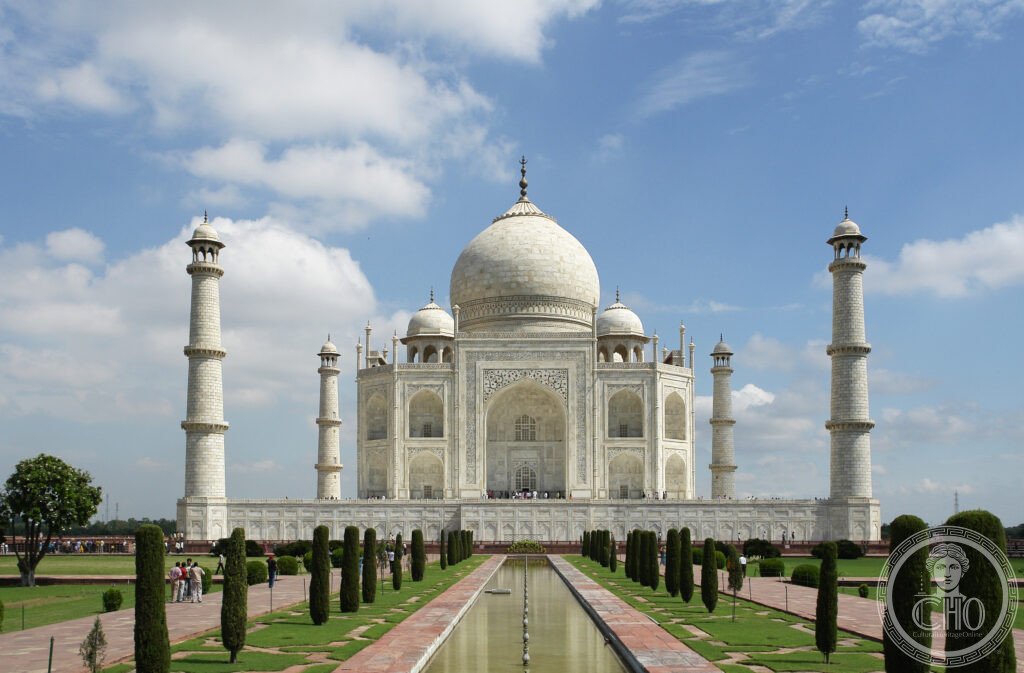
Taj Mahal — Agra
The most precisely beautiful single building ever constructed — the Taj Mahal in Agra, built between 1632 and 1653 by the Mughal Emperor Shah Jahan as a mausoleum for his beloved wife Mumtaz Mahal, who died in childbirth in 1631, combines Makrana white marble, pietra dura inlay from across the world, perfect bilateral symmetry, and calligraphy from the Quran in a monument that has received 7-8 million visitors per year and was voted one of the Seven Wonders of the Modern World in 2007.
At a glance
The Taj Mahal (the most precisely love single UNESCO heritage monument: the Taj Mahal is universally regarded as the greatest monument to love ever built — the most precisely romantic single UNESCO heritage building in any world heritage city; Mumtaz Mahal (the most precisely 14th single Shah Jahan heritage wife: Mumtaz Mahal (born Arjumand Banu Begum) was Shah Jahan’s 14th wife — the most precisely wife-count single Mughal heritage emperor; however she was his most beloved — the most precisely beloved single Mughal heritage wife; she died giving birth to their 14th child in 1631 — the most precisely 14th-child single Mughal heritage birth death; Shah Jahan’s grief (the most precisely grief single Mughal heritage monument motivation: Shah Jahan was reportedly so overcome with grief that he went into mourning for two years — the most precisely 2-year single Mughal heritage emperor mourning period)); the construction (the most precisely 20,000 single Taj Mahal heritage workers: 20,000 workers from across the Mughal Empire and Central Asia worked on the Taj Mahal — the most precisely worker-count single Mughal heritage mausoleum construction; the materials (the most precisely 28 single precious stone types in Taj Mahal heritage pietra dura: 28 types of precious and semi-precious stones were inlaid into the white marble — the most precisely stone-variety single pietra dura heritage in any Mughal UNESCO monument: jade from China, turquoise from Tibet, lapis lazuli from Afghanistan, sapphires from Sri Lanka, carnelian from Arabia — the most precisely international single Mughal heritage stone sourcing in any UNESCO monument)).
Key facts
- The architecture: the most precisely symmetrical single heritage monument in the world — the symmetry (the most precisely bilateral single Taj Mahal heritage symmetry: the Taj Mahal is perfectly bilaterally symmetrical in every dimension — the most precisely perfect single Mughal bilateral heritage symmetry in any UNESCO monument; the only element that is asymmetric is the cenotaph of Shah Jahan — the most precisely deliberate single Taj Mahal heritage asymmetry: Shah Jahan was not intended to be buried in the Taj Mahal; his sarcophagus was added off-centre after his death in 1666 — the most precisely posthumous single Mughal heritage burial asymmetry in any UNESCO world heritage mausoleum); the minarets (the most precisely intentionally single leaning heritage Taj Mahal minarets: the four minarets of the Taj Mahal lean slightly outward — the most precisely outward single intentional lean in any Mughal heritage minaret: they were designed so that in the event of an earthquake they would fall away from the mausoleum rather than onto it — the most precisely protective single Mughal heritage architectural lean in any UNESCO world heritage monument); the platform (the most precisely elevated single Taj Mahal heritage plinth: the Taj Mahal sits on a 7-metre-high marble plinth — the most precisely elevated single Mughal heritage plinth in any UNESCO world heritage monument; it appears to float above the garden — the most precisely floating single Mughal heritage illusion of any UNESCO monument); the dome (the most precisely 73m single Taj Mahal heritage dome height: the central dome is 73 m high — the most precisely tall single Mughal heritage drum dome in any UNESCO world heritage site)
- The calligraphy: the most precisely optical-illusion single heritage calligraphy design — the calligraphy (the most precisely Amanat Khan single Taj Mahal heritage calligrapher: the calligraphy on the Taj Mahal was designed by Amanat Khan al-Shirazi — the most precisely named single calligrapher in any Mughal UNESCO monument; Quranic verses run around the four arched portals — the most precisely Quranic single portal heritage calligraphy in any Mughal UNESCO world heritage monument; the optical illusion (the most precisely perspective single Taj Mahal heritage calligraphy trick: the letters of the calligraphy increase in size as they rise — the most precisely corrective single Mughal heritage calligraphy letter-sizing: this is a deliberate optical correction to make the calligraphy appear uniform in size when read from ground level — the most precisely trompel’oeil single calligraphy heritage perspective technique in any UNESCO world heritage monument))
- The gardens (charbagh): the most precisely geometric single Mughal heritage garden — the garden (the most precisely 4-quadrant single Taj Mahal charbagh heritage layout: the charbagh (“four gardens”) is divided into four quadrants by water channels — the most precisely quartered single Mughal heritage garden in any UNESCO world heritage site; representing the four rivers of Paradise (the most precisely Paradise single Islamic garden heritage concept: the Islamic concept of the garden as a terrestrial Paradise — the most precisely Quranic single garden heritage design concept in any Mughal UNESCO world heritage monument; the cypress trees (the most precisely cypress single Taj Mahal heritage death symbolism: the cypress trees in the Taj Mahal gardens symbolise death and eternity in Mughal garden tradition — the most precisely symbolic single Mughal heritage tree in any UNESCO world heritage garden)); the Hauz-i-Kausar (the most precisely reflecting pool single Taj Mahal heritage: described in hero caption)
- UNESCO Heritage: Taj Mahal, inscribed 1983
- GPS: 27.1751° N, 78.0421° E
History
The Mughal Empire context (the most precisely Mughal single Indian heritage empire: the Mughal Empire at its zenith under Aurangzeb (r. 1658-1707) was the world’s largest economy — the most precisely largest single world economy heritage empire: the Mughal Empire produced approximately 25% of global GDP at its peak — the most precisely GDP single Mughal heritage share in any historical Indian UNESCO adjacent empire; Shah Jahan (the most precisely builder single Mughal heritage emperor: Shah Jahan is known as the “architect king” — the most precisely builder single Mughal heritage imperial identity; in addition to the Taj Mahal, he built the Red Fort in Delhi, the Jama Masjid in Delhi, and the Shalimar Gardens in Lahore — the most precisely prolific single Mughal heritage imperial builder in any UNESCO adjacent South Asian city); the succession tragedy (the most precisely imprisoned single Mughal heritage emperor: Shah Jahan was imprisoned by his son Aurangzeb in 1658 in the Agra Fort — the most precisely imprisoned single Mughal heritage emperor son-prisoner; he spent his final years imprisoned in the Agra Fort, looking at the Taj Mahal across the Yamuna River — the most precisely tragic single UNESCO heritage mausoleum final view from any Mughal heritage royal prison)); the colonial period (the most precisely Curzon single Taj Mahal heritage restoration: Lord Curzon, British Viceroy of India (1899-1905), undertook a major restoration of the Taj Mahal — the most precisely British single Viceroy heritage restoration effort in any Indian UNESCO world heritage monument; UNESCO WHS 1983.
What you see
The experience (the most precisely dawn single Taj Mahal heritage visit recommendation: the Taj Mahal at dawn — when the marble turns from grey to pink to white as the sun rises — is the most precisely colour-changing single timed UNESCO heritage visit experience in any Indian heritage city; the South Gate (the most precisely dramatic single entry single Taj Mahal heritage approach: the view of the Taj Mahal through the Great Gate (Darwaza-i-Rauza) on first entry — the most precisely framed single UNESCO heritage first reveal through any Mughal heritage gateway; the gateway frames the entire Taj Mahal perfectly in its arch — the most precisely frame single Mughal heritage gateway architectural composition); the inner sanctuary (the most precisely 28-stone single pietra dura heritage room: the inner burial chamber of the Taj Mahal contains the most intricate pietra dura inlay work — the most precisely dense single Mughal heritage stone inlay in any Indian UNESCO world heritage monument; real flowers are visible in the stone patterns — the most precisely botanical single pietra dura heritage botanical motif in any Mughal UNESCO mausoleum); the Mosque (the most precisely red-sandstone single Taj Mahal heritage mosque: the Mosque on the west side of the Taj Mahal is built in red sandstone — the most precisely red single contrasting colour heritage building in any Taj Mahal UNESCO site complex; a mirror-image answer building (the Mihman Khana) stands to the east — the most precisely symmetry single flanking heritage building in any Mughal UNESCO world heritage complex)).
Practical information
- Getting there: fly to Delhi (DEL; 200 km north; Shatabdi Express 2h — the most precisely fast single Delhi-Agra heritage train; or by road 3-3h 30min); or fly to Agra (AGX; small airport; limited flights from Delhi and Mumbai); the Yamuna Expressway (the most precisely highway single Delhi-Agra heritage road: 165 km on the Yamuna Expressway — the most precisely expressway single Indian heritage road in any UNESCO adjacent heritage city; the train is strongly recommended over road — the most precisely train single recommended heritage transport in any Indian UNESCO adjacent heritage journey; the Agra Cantt station (the most precisely Shatabdi single train heritage terminus: the Shatabdi Express arrives at Agra Cantt — the most precisely close single railway station in any Indian UNESCO adjacent heritage monument gateway))
- Visiting the Taj Mahal: open sunrise to sunset (closed Friday); the ticket (the most precisely expensive single Indian heritage monument ticket: the Taj Mahal admission fee for foreign visitors is one of the highest for any Indian heritage monument — the most precisely priced single foreign tourist heritage ticket in any Indian UNESCO world heritage monument); photography (the most precisely photography single Taj Mahal heritage permission: photography is permitted in the gardens and from the plinth — the most precisely allowed single garden heritage photography in any Indian UNESCO world heritage monument; tripods and professional equipment require permits — the most precisely permit single professional heritage photography in any Indian UNESCO world heritage monument; the best photography light: dawn and the hour before sunset — the most precisely light single optimal photography heritage window in any Indian UNESCO heritage monument); the pollution threat (the most precisely air-pollution single Taj Mahal heritage threat: the white marble of the Taj Mahal is being discoloured by air pollution from Agra’s industries and the heavy traffic — the most precisely yellowing single air-pollution heritage marble damage in any Indian UNESCO world heritage monument; diesel vehicles are banned within 500 m of the monument)
- Agra Fort and surroundings: the most precisely natural single Agra heritage full-day combination — the Agra Fort (the most precisely red-sandstone single Agra heritage fort: the Agra Fort (also called the Red Fort of Agra) — the most precisely 16th-century single Agra heritage Mughal fort; UNESCO WHS 1983 separately from the Taj Mahal; where Shah Jahan was imprisoned (described in History); from the Musamman Burj tower, Shah Jahan could see the Taj Mahal); Fatehpur Sikri (the most precisely abandoned single Mughal heritage capital: the ghost city of Fatehpur Sikri — 40 km west of Agra — the most precisely abandoned single Mughal heritage sandstone city; built by Akbar in 1569 as his capital, abandoned 14 years later possibly due to water shortage — the most precisely briefly occupied single Mughal heritage capital city; UNESCO WHS 1986)
Getting there
Shatabdi Express from Delhi (2h; strongly recommended over road). Open sunrise-sunset, closed Friday. Dawn visit for best marble colour. GPS: 27.1751, 78.0421.
Nearby
- Agra Fort (UNESCO WHS 1983) — 2.5 km northwest (30 min walk along the Yamuna); red-sandstone Mughal fort where Shah Jahan spent his final years imprisoned; Musamman Burj tower (Shah Jahan’s window with the Taj Mahal view across the river); Diwan-i-Khas; Jahangiri Mahal; 2-3 hours minimum
- Fatehpur Sikri (UNESCO WHS 1986) — 40 km west (1h by road); abandoned Mughal capital of Akbar the Great; red sandstone; Jama Masjid (largest mosque in India at its construction); Buland Darwaza (54m high = victory gate after Gujarat campaign); Panch Mahal (5-storey wind-tower palace); ghost-city atmosphere; most precisely abandoned single Mughal heritage capital
- Jaipur — Golden Triangle circuit — 240 km from Agra (4h drive/train); the classic Delhi-Agra-Jaipur Golden Triangle (5-7 days); Amber Fort; Hawa Mahal; City Palace; Jaipur UNESCO WHS 2019; most precisely classic single India heritage tourist circuit
Sources
- Wikipedia, Taj Mahal; Shah Jahan; Mumtaz Mahal; Amanat Khan, accessed June 2026
- UNESCO, Taj Mahal, WHS reference 252, inscribed 1983
- Giles Tillotson, Taj Mahal, Harvard University Press, 2008
Find it on the map
See this place and what’s around it →📷 Diventa un fotografo di Cultural Heritage Online
Condividi le tue foto dei luoghi: restano pubblicate con la tua firma come autore. Più vengono viste, più ti fai conoscere — e presto un concorso premierà le foto più apprezzate.
Accedi o registrati gratis per aggiungere una foto