
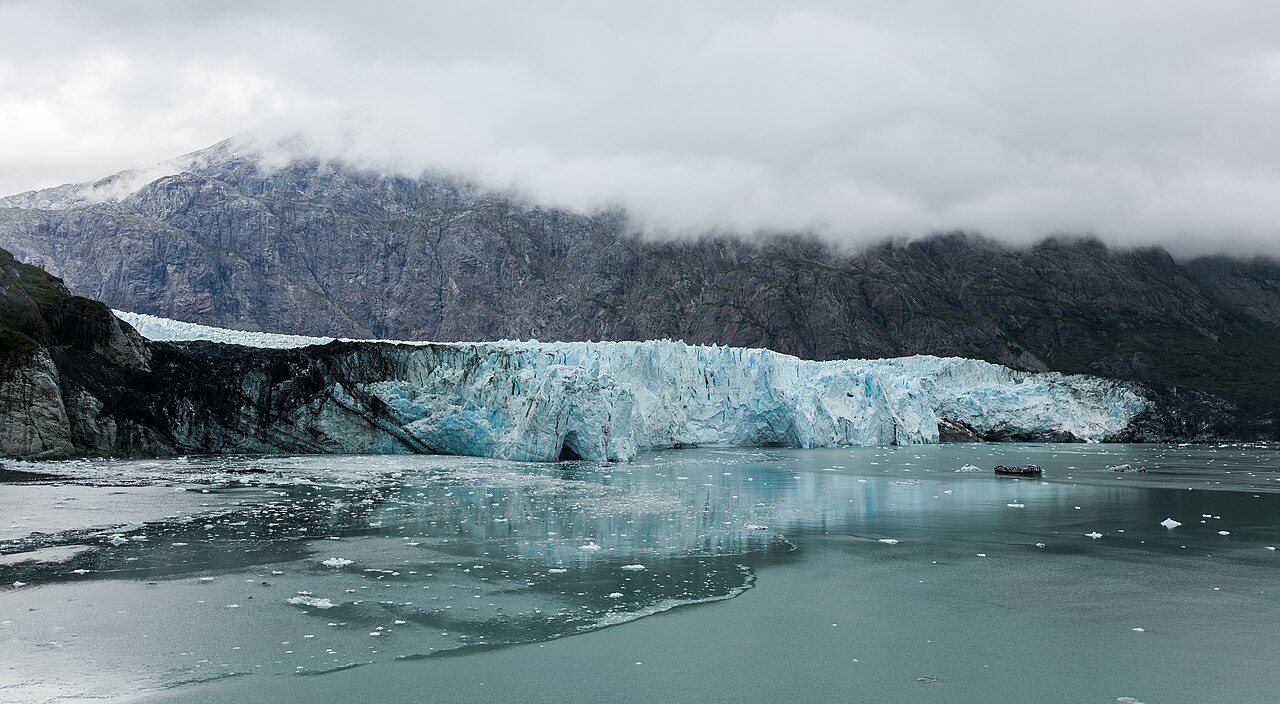
A vast wilderness of 3.3 million acres spanning rugged mountains, dynamic glaciers, temperate rainforest, wild coastlines and deep fjords—one of the world’s largest internationally protected areas.
At a glance
Glacier Bay National Park comprises over 3.3 million acres of pristine landscape in southeastern Alaska. The park forms part of a 25-million-acre UNESCO World Heritage Site and represents one of the world’s largest protected international zones. It anchors the celebrated Inside Passage, offering both scientific research opportunities and recreational access to one of North America’s most dynamic natural environments.
History
Glacier Bay holds deep significance for the Tlingit and Haida peoples, whose homelands encompass this region. The area has long served as a site of cultural importance and traditional use. In modern times, Glacier Bay was formally established as a protected area to preserve its exceptional geological and ecological features for research, education and public enjoyment.
What you see
The park’s defining feature is its collection of active tidewater and alpine glaciers—some of the most accessible in the world. Towering mountains rise dramatically from sea level, their peaks often snow-capped year-round. Ancient temperate rainforest blankets lower elevations, while the intricate network of sheltered fjords creates a labyrinth of waterways. Visitors encounter a landscape in constant flux: calving glaciers, sculpted valleys and inlets carved by ice over millennia remain visibly dynamic.
Cultural significance
Glacier Bay represents a landscape of immense natural and cultural value. The park’s glaciers serve as crucial indicators of climate change and geological processes—making it a vital site for scientific research. The region’s cultural heritage reflects centuries of Indigenous occupation and stewardship. Combined, these elements establish Glacier Bay as a place of global environmental and cultural importance.
Key facts
- Area: 3.3 million acres
- Part of a 25-million-acre UNESCO World Heritage Site
- Address: 1 Park Road, Gustavus, AK 99826
- Coordinates: 58.6391185, -137.572079
- Phone: +1 907-697-2230
- Official website: https://www.nps.gov/glba/index.htm
Practical information
Glacier Bay is accessible year-round, though weather and water conditions vary seasonally. Most visitors arrive by air or ferry; the park has no road access. Lodging and services are limited; plan ahead. Visit the official National Park Service website for current conditions, permit requirements and visitor guidelines.
Getting there
Glacier Bay is reached by flying into Juneau or Ketchikan, Alaska, then connecting to Gustavus via charter flight or ferry. The Alaska Marine Highway ferry system also serves the area. Once in the park, travel is by boat or aircraft; no road network exists within the reserve.
See the place
Sources & resources
Find it on the map
See this place and what’s around it →📷 Become a Cultural Heritage Online photographer
Share your photos of places: they stay published under your name as the author. The more they're seen, the more you get noticed — and soon a contest will reward the most appreciated photos.
Log in or sign up free to add a photo