
Old Havana

Old Havana Cuba colonial Spanish architecture UNESCO World Heritage
Old Havana (the view along the Paseo del Prado (Paseo de Martí) — the most elegant 19th-century boulevard in the Caribbean: the 800-m tree-lined promenade from the Malecón to the Parque Central; the bronze lion sculptures; the marble benches; the laurel trees in the median strip; the eclectic and neo-baroque mansions on both sides (the most intact 19th-century residential boulevard in any Caribbean city)); in the background: the domes and towers of Old Havana (the most complete ensemble of Spanish colonial and 19th-century European architecture in the Americas; the characteristic pastel washes (ochre, pale green, faded blue, terracotta pink) of the Old Havana facades — the most recognisable urban colour palette in the Caribbean; the colours are driven by the tropical light and the history of lime-wash painting (the most economical form of anti-hurricane facade maintenance in a pre-concrete Caribbean city)), La Habana Vieja, Havana, Cuba — UNESCO World Heritage Site 1982. Photo via Wikimedia Commons.
La Habana Vieja, Havana, Cuba · founded by Spanish 1519 (originally San Cristóbal de La Habana); most important Spanish colonial port in the Americas from 16th–18th c.; 900 colonial buildings; 5 main plazas (Plaza de Armas (oldest); Plaza Vieja; Plaza de la Catedral; Plaza de San Francisco; Plaza del Cristo); Cathedral (1748–1777; Havana Baroque); Castillo de la Real Fuerza (1558–1577; oldest fortification in the Americas still standing); 1950s American cars; son cubano and rumba · UNESCO World Heritage 1982

Old Havana

The finest Spanish colonial city in the Americas and the most complex urban time capsule in the Western Hemisphere — Old Havana, founded in 1519 on the edge of the finest natural harbour in the Caribbean, became the wealthiest port in the New World and is today a living museum of four centuries of architecture, from Baroque cathedral to Art Deco cinema, suspended in amber by the economic freeze that followed the 1959 revolution.

At a glance

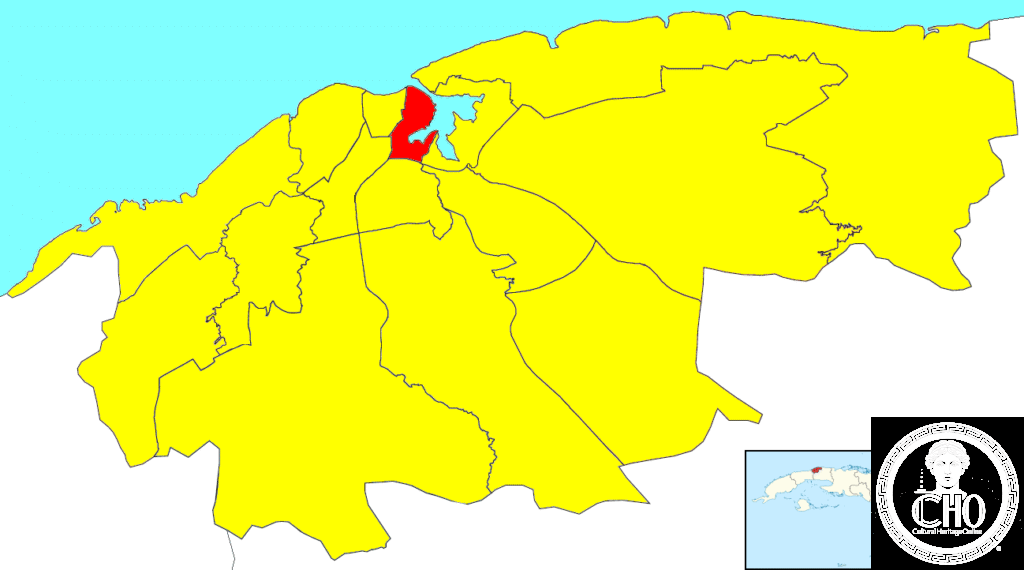
Old Havana (La Habana Vieja; UNESCO WHS 1982; the area covered by the UNESCO inscription: the old city within the original city walls (demolished in the 1860s, but the street pattern remains) + the fortifications + the Paseo del Prado; the old city (approximately 2 km²; the 5 major plazas (the most coherent ensemble of colonial urban spaces in the Americas: each plaza has a distinct architectural character (military, ecclesiastical, commercial, civic, popular) and together they form the most complete surviving Spanish colonial urban plan in the Caribbean); the 900 colonial buildings (the most — the majority are in various states of decay; approximately 30% are in good condition; 70% require urgent restoration — the most urgent urban heritage restoration challenge in the Caribbean; the rate of collapse (approximately 2–3 buildings collapse per week in Old Havana on average — the most alarming heritage loss rate in any UNESCO World Heritage city in the Americas; the Office of the Historian of the City of Havana (the organisation responsible for restoration; founded 1938; the most successful heritage restoration institution in the Caribbean by number of buildings restored and the most innovative in using restoration revenue to fund social services for the residents of the restored buildings))).

Key facts

  • The five plazas of Old Havana: the most complete colonial plaza ensemble in the Americas — the Plaza de Armas (the oldest plaza in Havana; the original centre of Spanish colonial authority; the Castillo de la Real Fuerza (1558–1577; the oldest fortification in the Americas still standing (the most frequently disputed superlative in Caribbean colonial military architecture; the San Juan de Ulúa fort in Veracruz claims a slightly earlier date); the La Giraldilla bronze figure on the tower (the weathervane of the Castillo; a 1632 bronze statue of a woman looking out to sea — reputedly the wife of the governor Hernando de Soto watching for his return from the ill-fated expedition to Florida (the most romantically motivated weathervane in the Western Hemisphere); the most reproduced single image in Cuba: the La Giraldilla is the trademark of Havana Club rum — the most widely distributed image of Old Havana in the world); the second-hand book market (the Plaza de Armas hosts the most atmospheric second-hand book market in the Caribbean: approximately 20 vendors selling Cuban books, magazines, and memorabilia under the shade of the ceiba trees)); the Plaza de la Catedral (the finest Baroque plaza in Cuba; the Cathedral of San Cristóbal de La Habana (1748–1777; the most important Baroque facade in the Caribbean; the twin asymmetric towers — the most unusual symmetry arrangement in any Baroque church facade in the Americas (the right tower is slightly wider than the left because it contains a staircase; the most fortuitously elegant structural asymmetry in Cuban architecture))); the Plaza Vieja (the Plaza Nueva, 1559; renamed Vieja (Old) in the 19th century when the new commercial centre moved; the most varied architectural styles of any Havana plaza: colonial, neoclassical, Art Nouveau — the most eclectic single plaza in the city)
  • The fortifications: the most complete colonial military system in the Americas — the Havana fortifications (the most extensively preserved Spanish colonial military system in the Americas; the Castillo de los Tres Reyes del Morro (1589–1630; the most important fortress in Havana harbour; guards the harbour entrance from the east; the lighthouse (1844; the oldest lighthouse in Cuba; the most navigational-historically important structure in Havana Harbour)); the Fortaleza de San Carlos de la Cabaña (1763–1774; the largest Spanish fortification in the Americas (700 m long; 14 ha; cost 14 million pesos — the most expensive single colonial construction in the history of the Americas (the Spanish King Charles III, upon learning the cost, said he must be able to see it from Madrid — the most famous royal joke about a colonial construction budget)); the cañonazo ceremony (the Cabaña cannon firing ceremony: every night at 9pm, soldiers in period 18th-century uniforms fire a cannon from the Cabaña — the most punctual single ceremony in Cuban public life; the tradition dates from the colonial period when the cannon signal announced the closure of the city gates))
  • The 1950s American cars: the most famous automotive fleet in any heritage city — the almendrones (the 1950s American cars (the word “almendron” means “large almond” in Cuban slang — a reference to the rounded body shape of the classic American car; the most culturally specific nickname for a vehicle type in any Latin American country); the history (the US trade embargo (imposed 1962; the most consequential trade restriction in the history of the Caribbean) left Cuba with approximately 70,000 pre-revolution American cars and spare parts for them; since no new American cars could be imported, the Cubans maintained and repaired the existing fleet with Soviet and locally fabricated parts — the most resourceful automotive maintenance culture in the world; the resulting vehicles are often mechanically Soviet (Lada or Moskvitch engines) with American 1950s bodywork — the most ideologically contradictory vehicles in any country); the fleet as of 2026 (approximately 60,000 pre-1962 American cars still operational in Cuba — the largest surviving fleet of 1950s American cars in the world; the most photographed moving vehicles in any UNESCO heritage city); the best way to experience them: the classic car tour (shared or private; the most popular tourist experience in Old Havana)
  • Heritage: UNESCO World Heritage Site, Old Havana and its Fortifications, inscribed 1982
  • GPS: 23.1367° N, -82.3589° E

History

The founding (San Cristóbal de La Habana was officially founded in 1519 CE; the site was chosen for the finest natural harbour in the Caribbean (the deep-water harbour (8–12 m depth; wide enough to anchor 1,000 ships; the most strategically perfect colonial harbour in the Americas)); the golden age (16th–18th centuries: Havana became the principal assembly point for the Spanish treasure fleets (the Flota de Indias) returning from the Americas to Spain (the most consequential convoy system in the history of transatlantic trade); up to 700 ships assembled in Havana harbour annually in the peak years — the most commercially significant single harbour in the Atlantic World); the construction boom (the wealth from the treasure fleet and the sugar trade funded the construction of the colonial city: the fortifications, the plazas, the cathedral, the palaces, and the warehouses that define Old Havana today); the 18th century: the British occupation (1762–1763 during the Seven Years War — the most consequential foreign occupation of Havana: the British occupied Havana for 11 months and introduced new trade practices that persisted after the Spanish retook the city; the Spanish response (the building of the Cabaña fortress — the most expensive colonial construction in the Americas — as a direct result of the British occupation)); the 19th century (the sugar oligarchy; the slave trade (Havana was the most important slave-trading port in the Caribbean; approximately 800,000 enslaved Africans passed through Cuba in the 18th–19th centuries — the most extensive single-island slave trade in the Americas after Brazil)); independence (1898; the Spanish-American War); the Republic (1902–1958); the Revolution (1959); UNESCO WHS 1982.

What you see

The Old Havana visit (the essential walking tour: begin at the Plaza de Armas (the second-hand book market; the Castillo de la Real Fuerza); the Calle Obispo (the most pedestrianised street in Old Havana: bookshops, restaurants, jazz bars from 10am; the most continuous musical street in the Caribbean: live son cubano and rumba emanates from every bar on the street from noon onward; the Ambos Mundos Hotel room 511 (the room where Ernest Hemingway lived from 1932 to 1939 and where he began For Whom the Bell Tolls — the most specifically identified creative workspace of any Nobel Prize winner in Latin America)); the Plaza de la Catedral (the finest Baroque plaza; the Cathedral; the terrace café of Doña Eutimia (the most celebrated home-cooking restaurant in Old Havana)); the Malecón (the 8-km seawall promenade along the Havana waterfront: the most symbolic single public space in Cuba (the most photographed Cuban evening ritual: sitting on the Malecón wall at sunset — the most consistently cited “Havana moment” in every travel account since Graham Greene’s visit in 1954)).

Practical information

  • Getting there: José Martí International Airport (HAV; 18 km south-west of Old Havana; the most served airport in Cuba (flights from Madrid (9h; Iberia and Air Europa; the most frequent transatlantic route to Cuba from Europe), Toronto (4h; Air Transat and Sunwing; the most frequent route from North America), London (9h; Virgin Atlantic and TUI; seasonal), Mexico City (2h 45min; Aeromexico and Cubana)); the accommodation (the paladar (the private family restaurant in a colonial house — the most authentic Cuban dining experience and the only way to eat well in Old Havana; the best paladares are in the Vedado and Old Havana neighbourhoods); the casa particular (the most recommended accommodation type in Cuba: a room in a private Cuban family home; the most direct cultural immersion in any Caribbean country; the wifi (Cuban wifi requires a Nauta card — prepaid scratch-card; the most inconvenient internet access arrangement in any UNESCO city in the Western Hemisphere; buy Nauta cards at ETECSA offices before 10am (they sell out by midday))); the currency (the most confusing monetary system in any tourist destination: Cuba has a single national currency (the CUP, Cuban Peso) but the government recently eliminated the dual currency system (the CUC); as of 2026 the exchange rate fluctuates on the informal market; take cash (USD or EUR) and exchange at the airport or casa particular; credit cards are not accepted in most places due to the US embargo))
  • Trinidad (UNESCO WHS 1988) and the Valle de los Ingenios: the finest 18th-century sugar town in the Americas — Trinidad (330 km south-east of Havana (4h by Viazul bus — the most reliable tourist bus in Cuba; the most comfortable long-distance bus in Cuba; book 2 days in advance); the most completely preserved 18th-century colonial town in the Caribbean (the streets are paved with original cobblestones; the multicoloured pastel facades are in better condition than Old Havana; the Trinidad town is smaller and quieter); the Plaza Mayor (the most beautiful single plaza in Cuba: ringed by the Museo Romántico, the Iglesia de la Santísima Trinidad, and the Palacio Brunet (1812; the finest single colonial palace in Trinidad; the most elegantly restored private mansion in Cuba)); the Valle de los Ingenios (the Valley of the Sugar Mills; the valley surrounding Trinidad containing the ruins of 50+ sugar mills from the 18th century (UNESCO WHS 1988 — inscribed simultaneously with Trinidad); the most complete landscape of the colonial sugar industry in the Caribbean; the slave quarters, the mill tower (Manaca Iznaga; 45 m; the most intact sugar mill tower in Cuba); the view from the top (the finest panorama of the tobacco and sugar agricultural landscape in central Cuba))
  • Viñales Valley (UNESCO WHS 1999): the most extraordinary tobacco landscape in the world — Viñales (175 km west of Havana (3h 30min by Viazul bus through the Sierra de los Órganos mountains); the valley (the most remarkable karst landscape in Cuba: the mogotes (the flat-topped, vertical-sided limestone towers rising 200–300 m from the valley floor — the most dramatic freestanding karst towers in any agricultural landscape in the Americas; the tobacco farms at their base (the most aesthetically photogenic tobacco field in the world: the deep red soil, the vivid green tobacco leaves, the mogote in the background, the campesino on horseback); the cigar factory visits (the most directly educational heritage tourism experience in Cuba: the Viñales cigar rollers work in family homes; a morning visit includes watching the rolling process and buying the finest non-factory cigars in Cuba — the most frequently recommended single purchase in Cuban heritage tourism))

Getting there

José Martí Airport (HAV) 18 km. Taxi to Old Havana 25min. Book casa particular (private room) for most authentic experience. Take cash (USD/EUR; cards mostly rejected due to US embargo). GPS: 23.1367, -82.3589.

Nearby

  • Trinidad and Valle de los Ingenios (both UNESCO WHS 1988) — 330 km south-east (4h Viazul bus); the finest 18th-century sugar town in the Americas and the most complete colonial sugar landscape — described in the Practical section; the Havana-to-Trinidad trip is the essential Cuban overland journey: 2 nights Havana + 1 night Cienfuegos (the “Pearl of the South”; the most French-influenced city in Cuba; the finest 19th-century neoclassical streetscapes in Cuba) + 2 nights Trinidad + day trip to Valle de los Ingenios
  • Viñales Valley (UNESCO WHS 1999) — 175 km west (3h 30min Viazul bus or taxi); the most extraordinary tobacco and karst landscape in the Caribbean — described in Practical section; the classic Havana day trip or overnight: the morning in the mogote valley (horse ride or cycling through the tobacco farms) + a hand-rolled cigar in a campesino house + the cave visit (the Cueva del Indio — the largest navigable underground river cave in Cuba)
  • The Bay of Pigs (Playa Girón) and Cienfuegos — 180 km south-east (2h 30min drive); the most historically significant bay in Cuban Cold War history and the finest city of French colonial influence in Cuba — the Bay of Pigs (the Playa Girón; the site of the CIA-sponsored failed invasion of Cuba on 17–20 April 1961 (the most complete Cold War military defeat of a CIA-planned operation; the 1,500 Cuban exiles of Brigade 2506 were repelled in 72 hours by Cuban forces personally directed by Fidel Castro (the most directly battlefield-active head of state in any post-WW2 conflict); the Museo Girón at Playa Larga (the most politically didactic military museum in the Caribbean; the Soviet tanks, aircraft, and weapons that defeated the invasion are displayed outside); the cenotes (the underwater caves and sinkholes of the Bay of Pigs are the finest cold-water cenote diving in Cuba — the most underwater-archaeology-rich dive sites in the Caribbean outside the Yucatán)

Sources

  • Wikipedia, Old Havana; Castillo de los Tres Reyes del Morro; Fortaleza de San Carlos de la Cabaña, accessed June 2026
  • UNESCO, Old Havana and its Fortification System, WHS reference 204, inscribed 1982
  • Eusebio Leal Spengler, La Habana Vieja: Mapas y Planos en los Archivos de España, Agencia Española de Cooperación Internacional, 1995

Hero image: Paseo del Prado, Old Havana, Wikimedia Commons. Editorial text © Cultural Heritage Online, 2026.

📷 Diventa un fotografo di Cultural Heritage Online

Condividi le tue foto dei luoghi: restano pubblicate con la tua firma come autore. Più vengono viste, più ti fai conoscere — e presto un concorso premierà le foto più apprezzate.

Accedi o registrati gratis per aggiungere una foto
📋 Copy & share on social
Scroll to Top