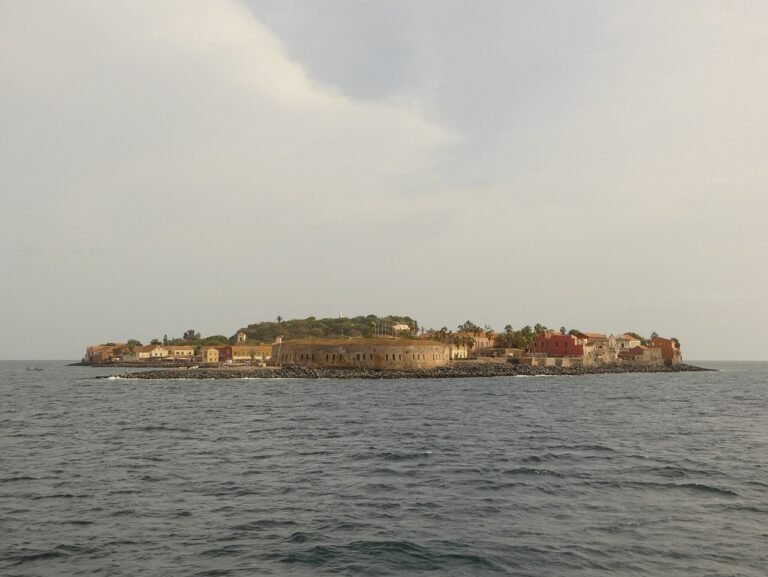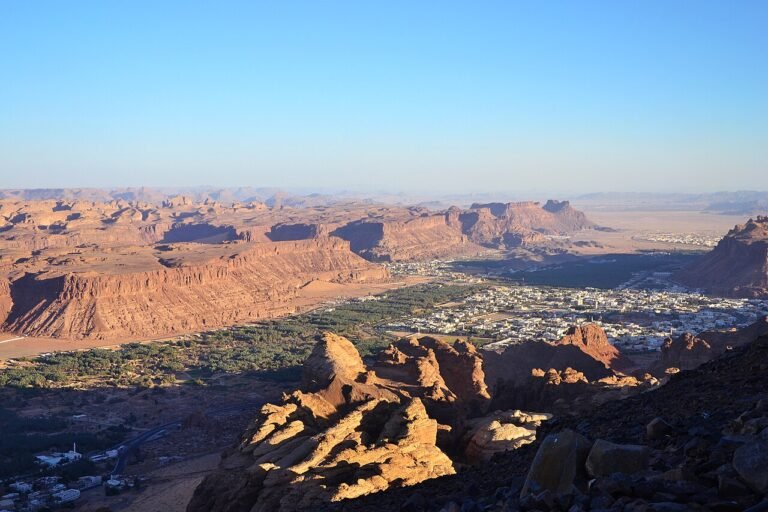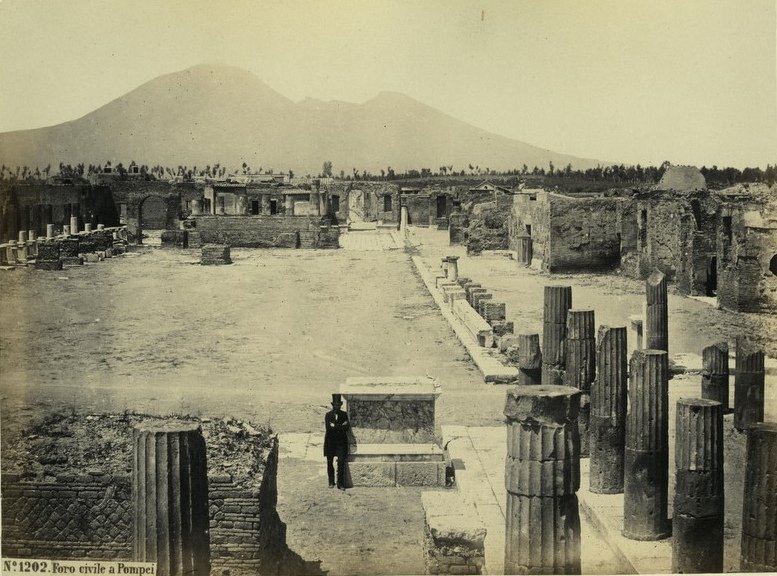
Cultural heritage is what human societies have created — monuments, cities, crafts, languages; natural heritage is what nature has formed or shaped — landscapes, geological formations, ecosystems. UNESCO protects both under the same 1972 Convention, which recognises that the two are often inseparable. This is a short guide from Cultural Heritage Online.
The UNESCO definitions
The 1972 UNESCO Convention Concerning the Protection of the World Cultural and Natural Heritage defines the two categories precisely:
- Cultural heritage includes monuments (buildings, sculptures, inscriptions, cave dwellings), groups of buildings (urban or rural ensembles with architecture, cohesion, or place in the landscape), and sites (the work of humans or the combined work of humans and nature of outstanding historical, aesthetic, ethnological, or anthropological value).
- Natural heritage includes natural features of outstanding universal value from an aesthetic or scientific point of view; geological and physiographical formations and habitats of threatened species; and natural sites of outstanding universal value from a scientific, conservation, or natural beauty perspective.
The practical difference
The simplest way to hold the distinction is origin: cultural heritage is human-made or human-shaped; natural heritage is the product of natural processes. The Colosseum is cultural; the Dolomites are natural. Both can be on the UNESCO World Heritage List, under different criteria — six criteria apply to cultural properties, four to natural ones.
Mixed sites: when the two meet
Thirty-nine properties on the UNESCO list (as of 2023) are inscribed as mixed cultural and natural heritage, meeting criteria from both categories. The best-known examples are Machu Picchu in Peru, Tongariro National Park in New Zealand (where volcanic landscape and M&amāori sacred meaning intertwine), and the Dolomites in northeastern Italy, which have both exceptional geology and centuries of pastoral and architectural culture woven into them.
Italy’s Cinque Terre is another example: the dramatic terraced coastline is a natural formation, but the terraces themselves and the villages on them are the centuries-long work of human hands.
Why the distinction matters
The two categories attract different bodies of expertise, different conservation techniques, and different legal frameworks. A monument threatened by rising damp needs conservators and materials science. A coastal site threatened by rising sea levels needs climate policy and ecosystem management. Knowing which category a place primarily belongs to determines who is responsible for protecting it and how. For travellers and researchers, it also shapes what there is to find: cultural heritage is primarily about human meaning; natural heritage is primarily about ecological and geological value, though both have aesthetic dimensions that overlap.
Frequently Asked Questions
What is the difference between cultural and natural heritage?
Cultural heritage is created or shaped by human societies — monuments, historic towns, crafts, languages. Natural heritage is shaped by natural processes — landscapes, geological formations, ecosystems. UNESCO protects both under the 1972 World Heritage Convention, applying six cultural criteria and four natural criteria.
Can a single place be both cultural and natural heritage?
Yes. UNESCO designates 39 “mixed” World Heritage Sites that meet at least one cultural and one natural criterion. Examples include Machu Picchu (Peru), Tongariro National Park (New Zealand), and the Dolomites (Italy), where geological significance and centuries of human culture are both outstanding.
How does UNESCO decide which category a site belongs to?
By applying ten criteria: six define cultural outstanding universal value (historical, architectural, scientific, ethnological, archaeological significance, and association with living traditions or ideas of universal significance) and four define natural outstanding universal value (natural beauty, geological processes, ecological significance, and threatened species habitat). A site must meet at least one criterion to qualify.
How many cultural World Heritage Sites are there compared to natural ones?
As of 2023, the UNESCO World Heritage List includes 900 cultural properties, 218 natural properties, and 39 mixed properties, for a total of 1,157 sites in 168 countries.
Sources used in this article
- UNESCO — Selection criteria for World Heritage Sites.
- UNESCO — World Heritage List (1,157 sites, 2023 figures).
- UNESCO — Convention Concerning the Protection of the World Cultural and Natural Heritage (1972).
- CHO magazine — What is cultural heritage?
- CHO place_card — Cinque Terre.
Sources
- S1 — Lowenthal, David. The Past Is a Foreign Country. Cambridge University Press, 1985. ISBN 978-0-521-29480-5.
- S2 — Harrison, Rodney. Heritage: Critical Approaches. Routledge, 2013. ISBN 978-0-415-80644-2.
Spotted an error? Write to editorial@culturalheritageonline.com and we correct it the same day.