
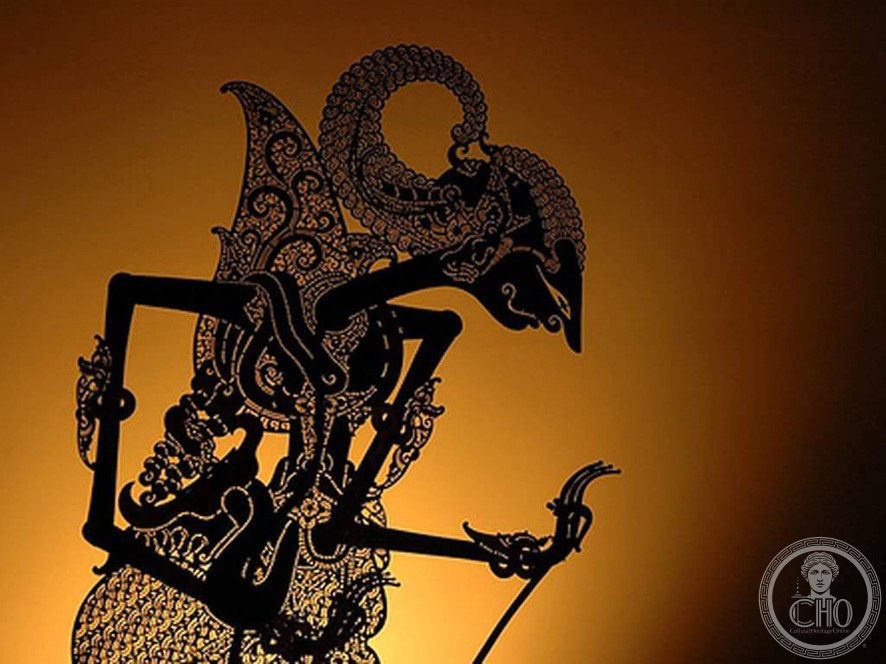
In the darkness before dawn, a dalang sits behind an illuminated screen, manipulating intricately carved leather puppets while a gamelan orchestra swells. Wayang—Java’s ancient performance art—brings Hindu epics and local legends to life through shadow and sound, blending spiritual ritual with theatrical mastery.
At a glance
Wayang is a traditional dramatic performance art originating in Java, where stories are told through puppets or dancers. The term refers both to the puppet itself and the complete theatrical event. Performances combine mythological narratives—drawn from the Hindu epics the Ramayana and the Mahabharata—with locally adapted cultural legends.
Origins & history
Wayang was invented by the Javanese and Sundanese, the indigenous ethnic groups of Java and surrounding islands. The art form reflects centuries of cultural synthesis, integrating Hindu epic traditions with indigenous Indonesian storytelling and spiritual practice. Today it remains central to Javanese and Balinese cultural identity.
The practice
A dalang—both artist and spiritual leader—controls the performance, manipulating leather puppets against a backlit screen. The audience watches from both sides, seeing either shadow or figure depending on their position. In Java, a gamelan orchestra accompanies the action; in Bali, the gender wayang (a bronze percussion instrument) provides the musical foundation.
Performances traditionally unfold in ritualized midnight-to-dawn sessions, creating an immersive experience that blends theatrical spectacle with meditative rhythm. The carved puppets, with their ornate silhouettes and symbolic gestures, convey character and emotion through movement and posture.
Cultural significance
Wayang functions simultaneously as entertainment, spiritual practice, and community gathering. In ritual contexts, puppet shows accompany prayer ceremonies in Balinese temples, ruwatan rituals (cleansing children from misfortune), and sedekah bumi celebrations (thanksgiving for harvest). Performances mark major life events: mantenan (Javanese weddings) and sunatan (circumcision ceremonies).
The practice remains deeply woven into Indonesian life across Java and Bali, honored in national celebrations and preserved through contemporary tourism and cultural transmission. Wayang carries encoded knowledge of Hindu philosophy, moral teaching, and local history.
Key facts
- Anchor community: Yogyakarta, Indonesia
- Coordinates: −7.79887, 110.36249
- Primary countries: Indonesia (Java and Bali)
- UNESCO ICH reference: 00063
- Inscription year: 2008
- Lead performer: dalang (puppeteer and spiritual guide)
- Musical accompaniment: gamelan (Java) or gender wayang (Bali)
Where to experience it
Yogyakarta and surrounding regions of Java remain the heartland of wayang practice. Performances occur regularly at temples, private ceremonies, and cultural venues. Wayang is presented at rituals, family celebrations, and public events year-round; specific festival schedules vary by location and occasion. Contact local cultural organizations or tourism offices in Yogyakarta for current performance information.
Sources & resources
- Wayang — Wikipedia
- Wayang Puppet Theatre — UNESCO Intangible Cultural Heritage
- Cultural Heritage Online
Find it on the map
See this place and what’s around it →📷 Become a Cultural Heritage Online photographer
Share your photos of places: they stay published under your name as the author. The more they're seen, the more you get noticed — and soon a contest will reward the most appreciated photos.
Log in or sign up free to add a photo