
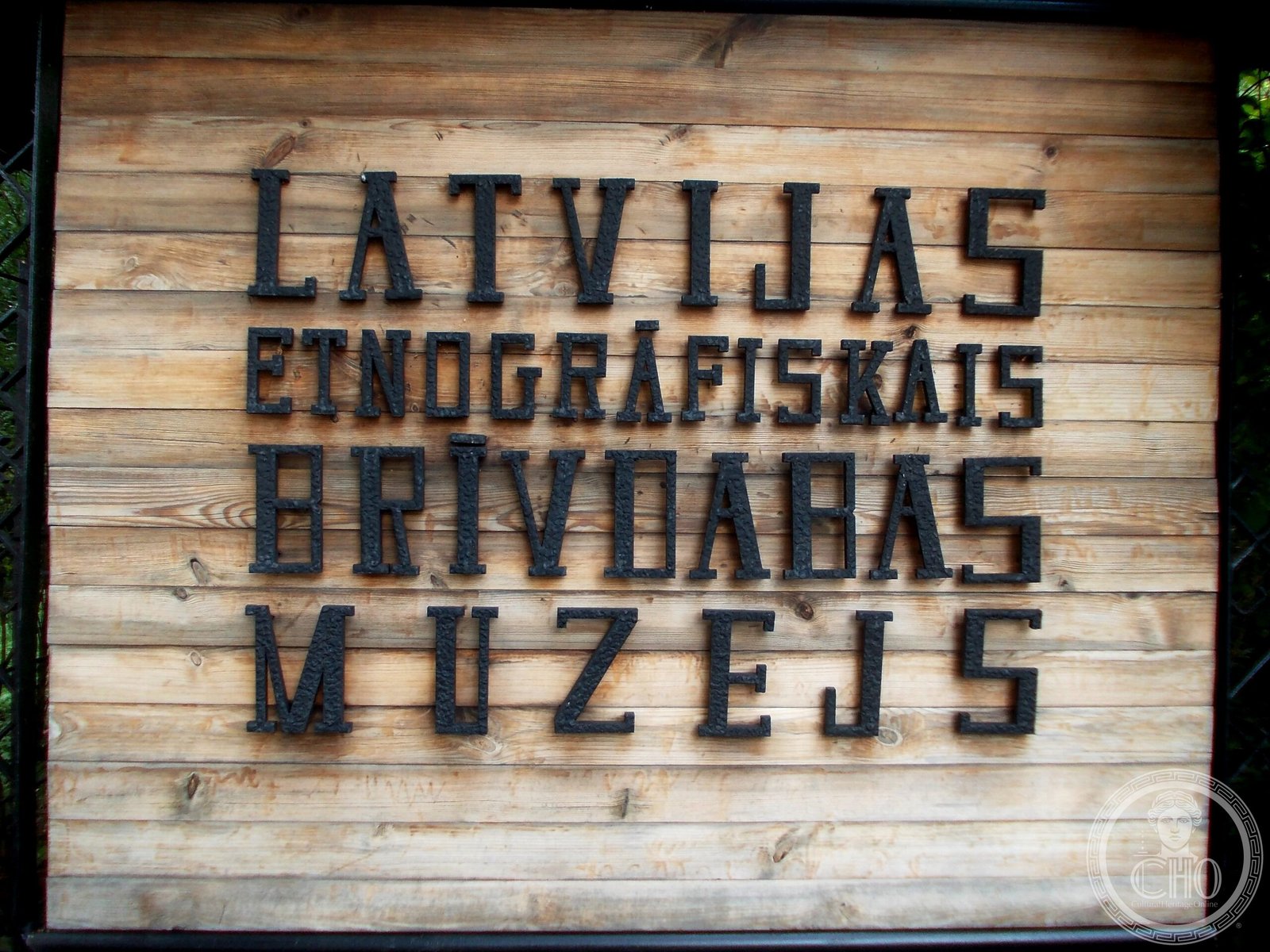
The Ethnographic Open-Air Museum of Latvia
The Ethnographic Open-Air Museum of Latvia is the largest open-air museum in the Baltic states, spread across 87 hectares of woodland on the eastern shore of Lake Jugla, near Riga. Founded in 1924, it preserves over 100 historic rural buildings relocated from across Latvia’s four historical regions — Vidzeme, Kurzeme, Zemgale, and Latgale — along with craft workshops, farmsteads, fishermen’s villages, and Lutheran churches that together document centuries of Latvian rural life. Living-history demonstrations by craftspeople and seasonal folk festivals make the site one of Latvia’s most visited cultural heritage destinations.
At a glance
- Type
- Open-air ethnographic museum
- Period
- Founded 1924; buildings spanning 17th–early 20th century
- Style
- Latvian vernacular rural architecture across four historical regions
- Location
- Lake Jugla shore, Riga, Latvia · 56.9949° N, 24.2701° E
Overview
Situated on the forested shores of Lake Jugla about 8 km from Riga’s city centre, the Ethnographic Open-Air Museum of Latvia is a landscape-scale heritage reserve that brings together the architectural traditions of all four Latvian ethnographic regions. More than 100 historic structures have been dismantled at their original locations across the country and painstakingly re-erected here, preserving construction techniques, interior furnishings, and garden layouts that would otherwise have been lost. The museum is also an active cultural venue, hosting traditional craft fairs, Midsummer (Jāņi) celebrations, and folk music events throughout the year.
History
The museum was established in 1924, shortly after Latvian independence, with the explicit mission of safeguarding rural heritage at a time when modernisation threatened traditional farmsteads and fishing communities. The first structures were relocated from Vidzeme and Kurzeme, and the collection expanded steadily through the interwar period. During the Soviet era the museum remained open, though ideological pressures influenced which aspects of folk culture were emphasised. After the restoration of independence in 1991 the museum returned to a broader mandate, restoring pre-war farmsteads and reinstating religious buildings including historic Lutheran churches. Today it is administered by the Ministry of Culture of Latvia.
What you see
Visitors walk woodland paths connecting fishermen’s homesteads from the Latvian coast, prosperous farmsteads from inland Vidzeme, Latgale Catholic villages with their distinctive wayside crosses, and merchants’ manors from Zemgale. Interiors are furnished with original period objects — linen looms, clay ovens, carved wooden furniture, and hand-painted earthenware. Working blacksmith forges, pottery studios, and weavers’ workshops demonstrate traditional crafts in action. A lakeside setting and mature pine forest give the entire complex an atmospheric quality that purely indoor ethnographic museums cannot replicate.
Cultural significance
The museum is a cornerstone of Latvian national identity, having played a crucial role in documenting and transmitting rural craft traditions across generations of political upheaval. It is one of the oldest and largest open-air ethnographic museums in Europe and serves as the primary reference institution for Latvian folk architecture research. UNESCO and the Council of Europe have recognised open-air museums of this type as key safeguards of intangible cultural heritage.
Practical information
- Address
- Brīvības gatve 440, Rīga, LV-1024, Latvia
- Hours
- Open daily; hours vary by season — check official website for current schedule
- Admission
- Paid entry; concessions available; free for children under 7
- Coordinates
- 56.9949° N, 24.2701° E
Getting there
From central Riga, take bus route 1 or tram line 6 toward Jugla; the museum entrance is a short walk from the Brīvdabas muzejs stop. By car, follow Brīvības gatve (A2 road) eastward from Riga; free parking is available at the museum. Cycling from the city centre along the Brīvības gatve cycle path takes approximately 30 minutes.
Sources & resources
Find it on the map
See this place and what’s around it →📷 Diventa un fotografo di Cultural Heritage Online
Condividi le tue foto dei luoghi: restano pubblicate con la tua firma come autore. Più vengono viste, più ti fai conoscere — e presto un concorso premierà le foto più apprezzate.
Accedi o registrati gratis per aggiungere una foto