
The Counterfeiting Museum
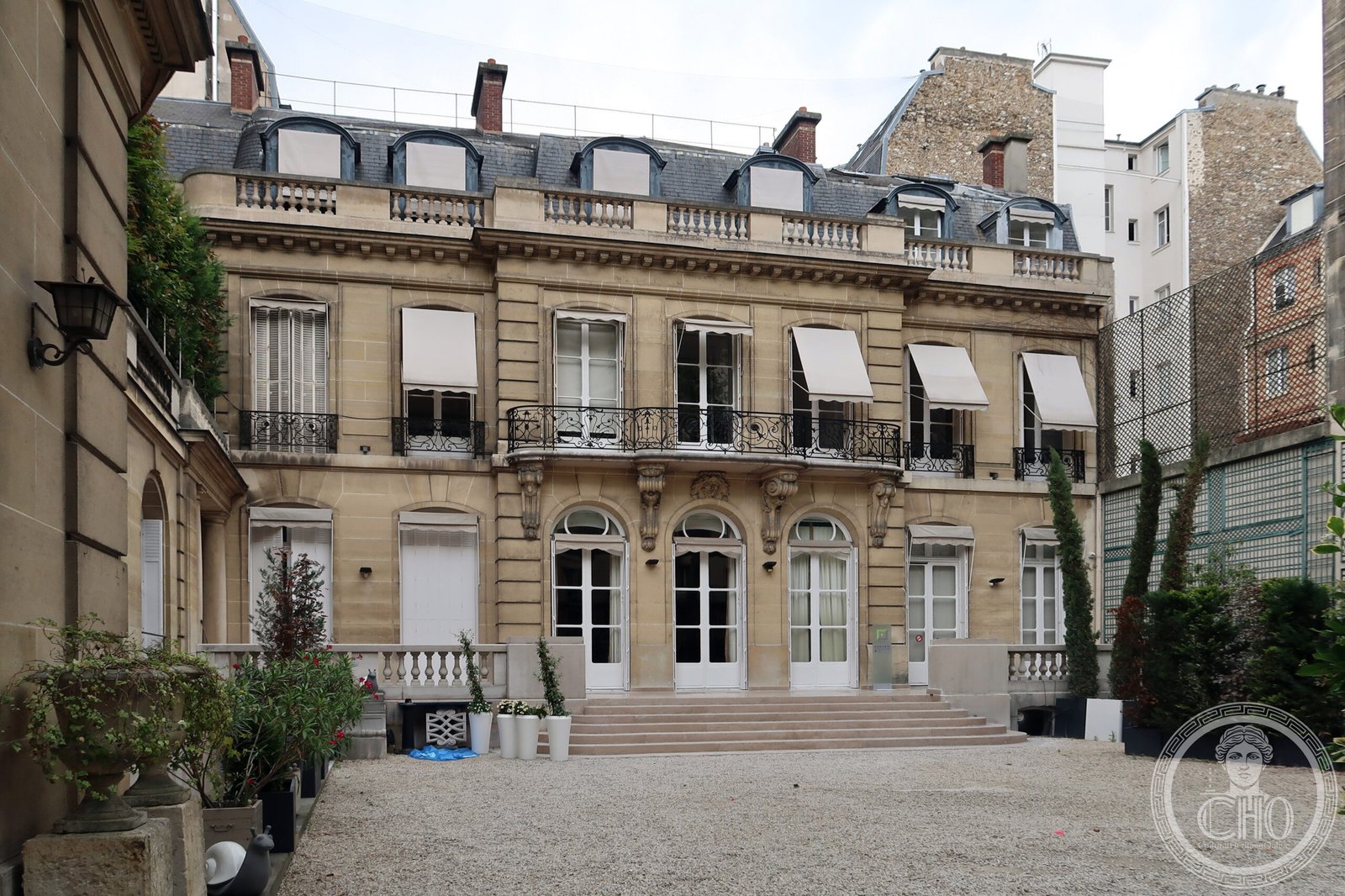
The Counterfeiting Museum (Musée de la Contrefaçon) in Paris is a unique educational institution presenting several hundred counterfeit objects across six rooms, from the most prestigious luxury brands to everyday consumer products and works of art. Created in 1951 by the Union des Fabricants, France’s oldest intellectual property protection organisation, the museum occupies a 200-square-metre space in an elegant 19th-century villa at 16 rue de la Faisanderie in the 16th arrondissement — a building that is itself, curiously, a copy of a 17th-century palace from the Marais district.
At a glance
- Type
- Speciality museum (counterfeiting and intellectual property)
- Period
- Museum founded 1951; building 19th century
- Style
- Hôtel particulier; 19th-century pastiche of a 17th-century Marais palace
- Location
- 16 rue de la Faisanderie, 75116 Paris, France
- Coordinates
- 48.8703° N, 2.2743° E
Overview
The Counterfeiting Museum presents diverse collections ranging from the world’s most famous luxury brands to industrial goods and artworks — with every single object on display being a fake. Spread across 200 square metres and six themed rooms, a visit takes approximately 40 minutes. The museum is an educational tool run by the Union des Fabricants to raise public awareness of the economic and social damage caused by counterfeiting, set against a backdrop of growing global trade in fake goods.
History
The Union des Fabricants, founded in 1872 and the world’s oldest organisation dedicated to intellectual property protection, created the Counterfeiting Museum in 1951 as a didactic resource for manufacturers, lawyers and the general public. The museum was established to document and expose the growing problem of counterfeit goods, which by mid-century had become a significant concern for French luxury and manufacturing industries. The choice of venue — a 19th-century villa that is itself architecturally a copy — adds an unintended irony that has become part of the museum’s identity. Over the decades the collection has grown to reflect the expansion of counterfeiting into pharmaceuticals, electronics and digital goods.
What you see
Visitors move through six rooms displaying counterfeit objects placed alongside authentic originals, allowing direct comparison. The collection spans luxury goods (handbags, watches, perfumes, spirits), industrial products (spare parts, tools), everyday consumer items (cosmetics, food), pharmaceutical counterfeits, artworks and ancient artefacts. The side-by-side presentation reveals the often remarkable quality of high-end fakes as well as the telltale differences detectable on close inspection. Educational panels explain the legal framework, the scale of the counterfeiting economy and the methods used by customs and brand protection teams to detect forgeries.
Cultural significance
The Counterfeiting Museum is the only institution of its kind in France and one of the very few dedicated to this subject worldwide, making it a rare reference point for the study of intellectual property and authenticity. Its collections document a shadow history of manufacturing and consumption that mirrors the legitimate economy. Located in Paris, the global centre of luxury goods and intellectual property law, the museum draws attention to one of the most economically significant forms of cultural appropriation.
Practical information
- Address
- 16 rue de la Faisanderie, 75116 Paris, France
- Opening hours
- Check official website for current hours and admission prices
- Website
- musee-contrefacon.com
Getting there
The museum is in the 16th arrondissement of Paris, near the Bois de Boulogne. The nearest Metro station is Rue de la Pompe on Line 9, approximately 400 metres away. Victor Hugo station on Line 2 is also within walking distance. Several bus lines serve avenue Foch and avenue Victor Hugo nearby. Taxis and ride-hailing services offer straightforward access from central Paris.
Sources & resources
Find it on the map
See this place and what’s around it →📷 Diventa un fotografo di Cultural Heritage Online
Condividi le tue foto dei luoghi: restano pubblicate con la tua firma come autore. Più vengono viste, più ti fai conoscere — e presto un concorso premierà le foto più apprezzate.
Accedi o registrati gratis per aggiungere una foto