
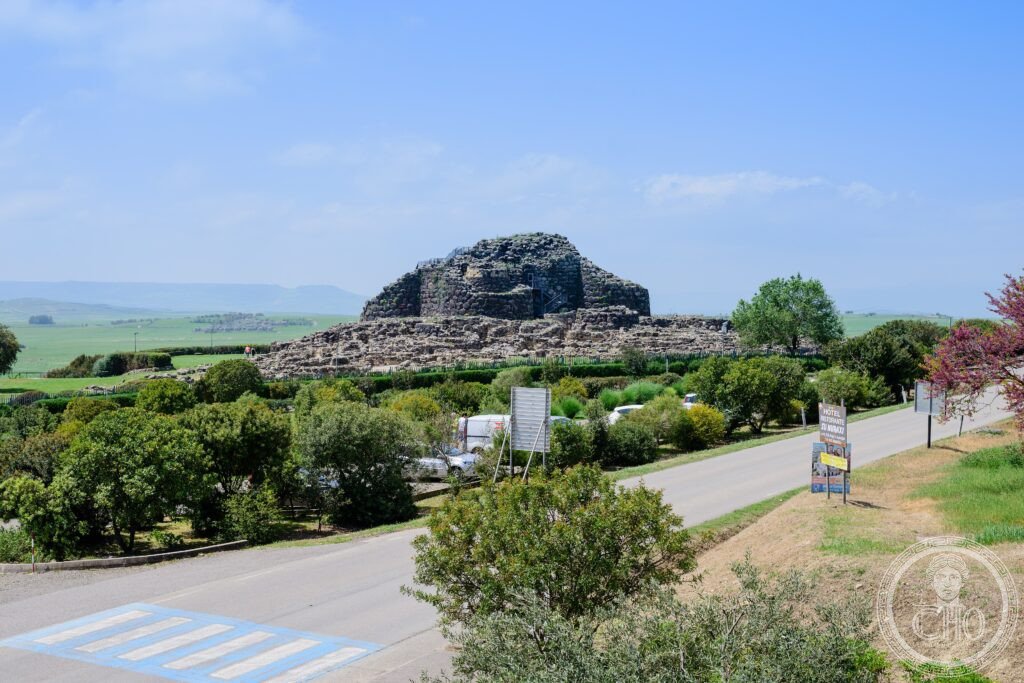
Su Nuraxi di Barumini
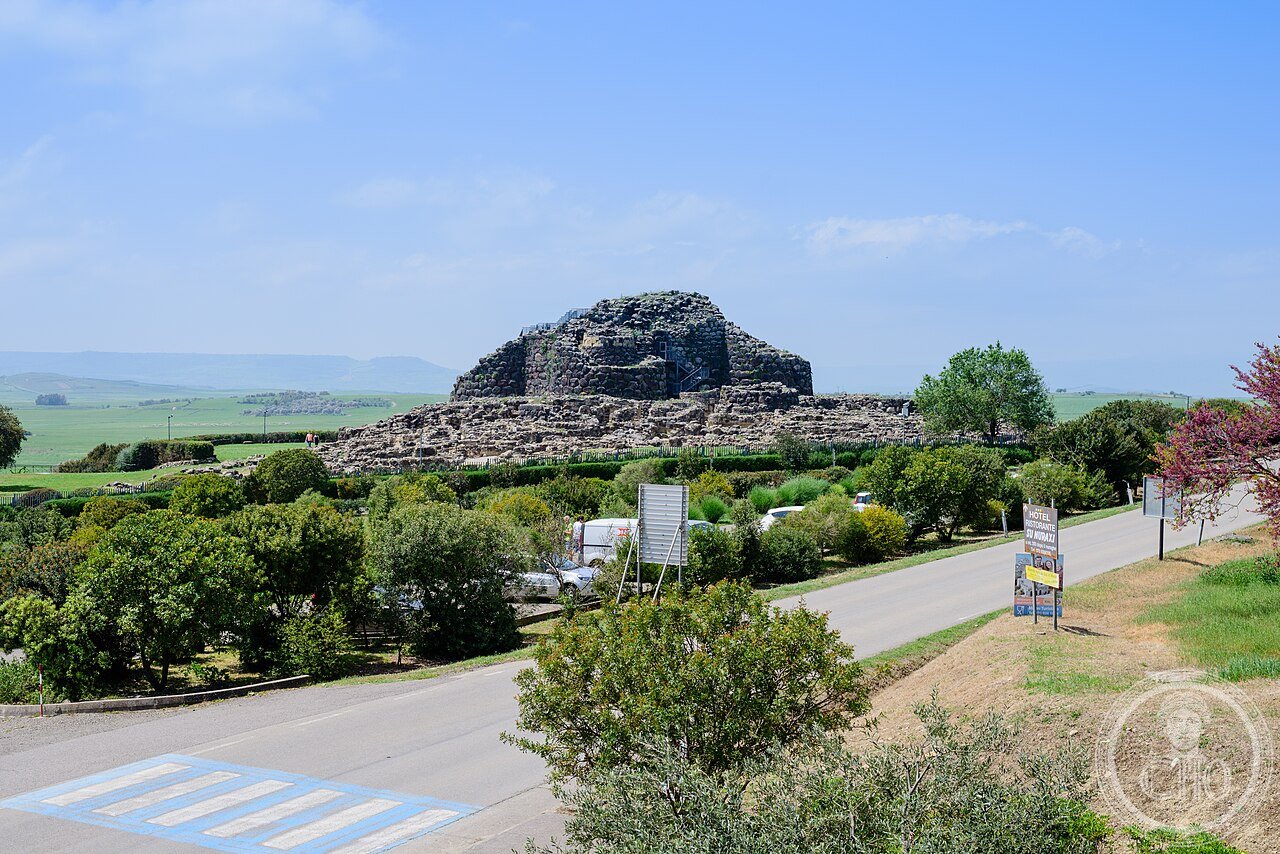
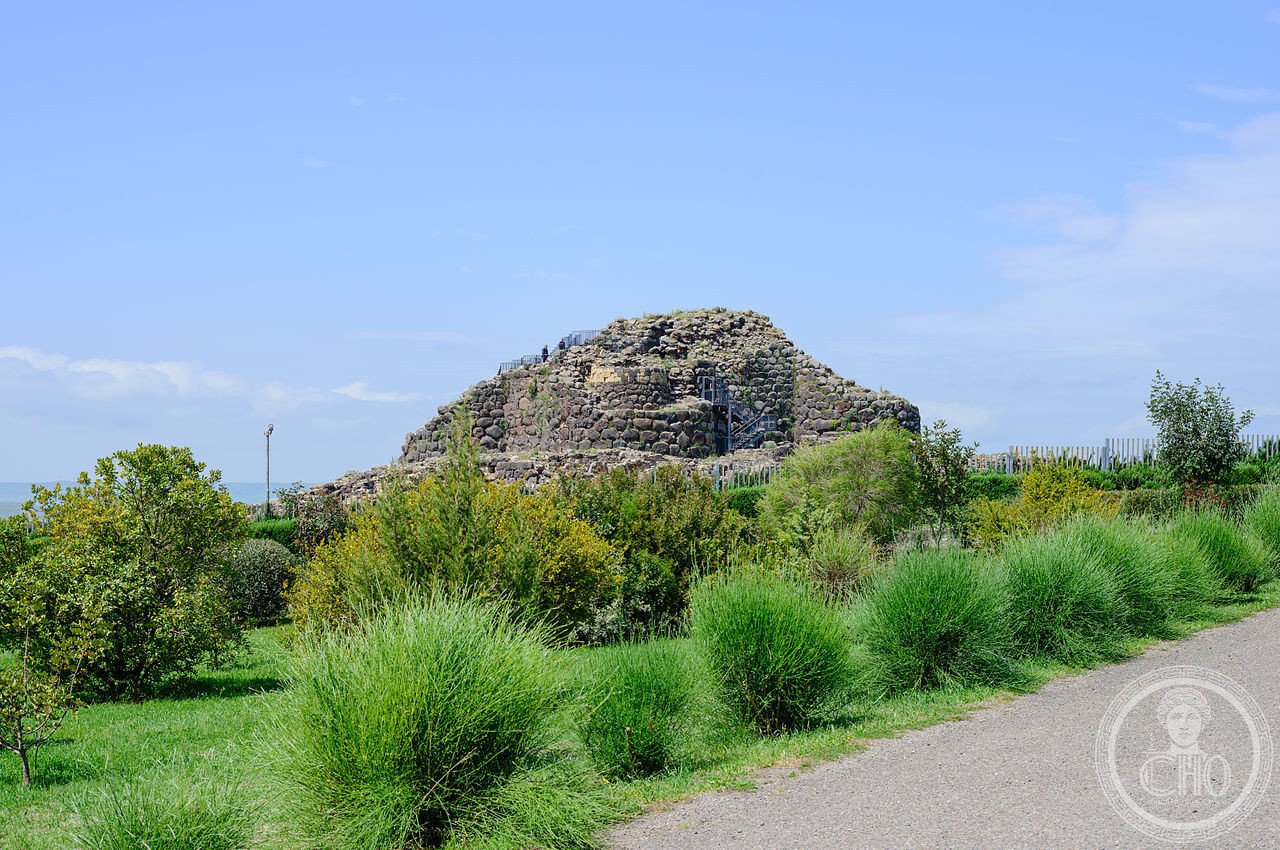
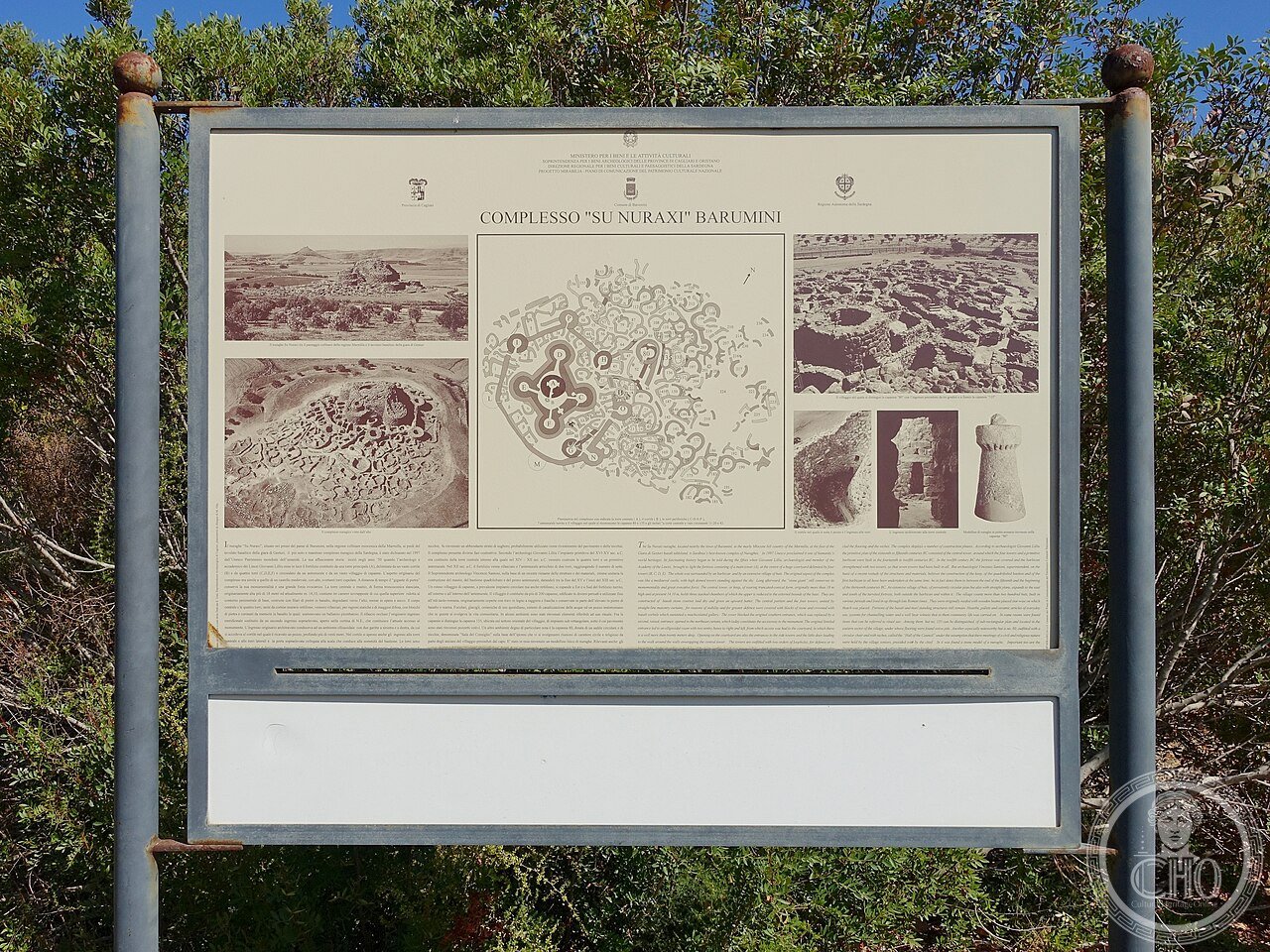
Su Nuraxi di Barumini (UNESCO 1997, rif. 833) è il nuraghe più complesso e monumentale della Sardegna — una torre in trachite basaltica di 20 metri del 1500 BCE circondata da 4 bastioni e 3 muri difensivi concentrici, con un villaggio di 200 capanne scavato dall’archeologo Giovanni Lilliu a partire dal 1950 CE, primo e unico sito UNESCO a rappresentare i 7.000 misteriosi nuraghi della Sardegna.
At a glance
Su Nuraxi Barumini Sardegna (the most precisely Su Nuraxi zone Barumini Sud Sardegna Sardinia Italy 39.7056 N 8.9944 E UNESCO WHS 1997 reference 833: the site (Su Nuraxi di Barumini (Barumini “great nuraghe”; the name “Su Nuraxi” in the Sardinian language literally means “the nuraghe” or “the tower” (from the proto-Sardinian root “nur” = stone/rock; cognate with the Berber “nwar” = fire/light; the etymology is debated)); the nuragic culture (the Nuragic civilization (1800–238 BCE): the Bronze Age and Iron Age culture of Sardinia characterized by the construction of 7,000+ nuraghi (stone towers/fortresses of circular plan) across the island; the distribution: 1 nuraghe per 7.4 km² of Sardinia (the island area = 24,090 km² / 3,200 nuraghi with standing towers = 7.5 km² spacing); the culture lasted 1,600 years and was never deciphered (no written script has been found for the Nuragic language); what is known: the Nuragic people were skilled bronzesmiths (9,000+ bronze statuettes (bronzetti nuragici) found in Sardinian museums), traders with Mycenaean Greece (Mycenaean pottery found at Barumini Level III, c.1200 BCE), and practitioners of a spring/water cult (the holy wells of the Nuragic period: the Pozzo Sacro di Santa Cristina (Paulilatino; 1000–800 BCE) is the best example)); the architectural system (the Su Nuraxi complex: Phase 1 (c.1500–1200 BCE): the central tower (19.5 m height preserved; circular plan; 3 internal floors; the corbelled dome ceiling); Phase 2 (c.1200–1000 BCE): the 4 towers added to the central tower (the “bastioned keep”: the central tower + 4 corner towers forming a castle-like plan); Phase 3 (c.1000–600 BCE): the 3 concentric outer walls + the village of 200 huts).
Key facts
- Giovanni Lilliu e la scoperta del 1950 CE: perché Su Nuraxi era invisibile e come lo scavo ha cambiato la comprensione della preistoria sarda: the 1950 CE discovery (the discovery of Su Nuraxi: the nuraghe was NOT unknown before 1950 CE (it was visible above ground as a large mound); the discovery was the systematic excavation of what was UNDER the mound: Giovanni Lilliu (1914–2012 CE; the “father of Sardinian archaeology” (a title formally given by the Regione Sardegna in 1994 CE); Professor of Sardinian Antiquities at the University of Cagliari 1949–1984 CE): Lilliu began excavation at Su Nuraxi in 1950 CE under the auspices of the Soprintendenza ai Beni Architettonici e Paesaggistici della Sardegna; the problem with Su Nuraxi before 1950 CE: the entire complex (the 4 bastions + the 3 walls + the 200 huts) was buried under a 4–6 m layer of “terra di riporto” (fill earth) + collapsed stone + vegetation; from above (1949 aerial photography: the RAF aerial survey of Sardinia 1945–1948 CE revealed a large oval mound at Barumini that suggested a complex structure); the excavation (1950–1957 CE: the first 8 seasons; 18 m² excavated per season; the workforce: 25–40 Sardinian local workers; the discovery in 1951 CE of the 4 bastions; in 1952 CE of the 3 concentric walls; in 1954 CE of the first complete nuragic hut (Hut A: 8 m diameter; the central hearth; the ground floor; the storage jars (pithoi) with carbonized grain (barley: Hordeum vulgare); the date: c.900 BCE by radiocarbon))
- GPS (Su Nuraxi di Barumini, ingresso): 39.7056° N, 8.9944° E
History
Dalla Cultura Nuragica 1800 BCE al UNESCO 1997 (the most precisely Su Nuraxi zone history: the construction (Su Nuraxi construction phases (radiocarbon + ceramic dating (the most reliable absolute dates come from radiocarbon samples from organic material in the construction fill): Phase 1 (1500–1300 BCE): the central tower (the radiocarbon date: 3360 ± 80 BP (before present) = calibrated c.1520–1440 BCE; ceramics: Middle Bronze Age (Subappenninico) style)); Phase 2 (1300–900 BCE): the 4 bastions; Phase 3 (900–600 BCE): the outer walls and village); the Carthaginian conquest (238 BCE: Carthage conquered Sardinia (the treaty that ended the First Punic War: 241 BCE; Carthage ceded Sardinia and Corsica to Rome in 238 BCE to avoid further war payments); under Carthaginian and then Roman occupation, the nuragic culture gradually merged with the new populations; Su Nuraxi was continuously inhabited until c.300–500 CE (the late Roman evidence: the Byzantine pottery Level I at Barumini dates to the 5th–6th century CE); the abandonment (the abandonment of Su Nuraxi c.500 CE: the village was gradually buried by collapsing walls + windblown soil over 1,400 years until Lilliu’s excavation in 1950 CE); the UNESCO inscription (1997 CE: reference 833 “Su Nuraxi di Barumini”).
What you see
La torre centrale, i 4 bastioni, i 3 muri, il villaggio, e il museo (the most precisely Su Nuraxi zone visit (1.5–2 hours; the visit is guided-only (the mandatory guided tour: 1 hour; departures every hour from 9:00 to 17:00; €12 adults / €6 children; the guide (Italian or English): all guides are certified by the municipality of Barumini; the visit circuit (the standard guided circuit): Entrance → Village (the 200-hut settlement: the most impressive feature of the Su Nuraxi visit; the huts: the circular plan (4–8 m diameter each); the best-preserved: Hut 80 (in the SE sector: the only hut with its original paved floor + benches + hearth still intact)) → Outer wall circuit (the 3 concentric walls: the outermost wall: 156 m diameter; the intermediate: 100 m; the innermost: 48 m) → Bastioned keep (the 4-tower keep: the NE tower has its original corbelled ceiling intact at 8 m height; the SW tower has the best-preserved staircase (the spiral stair carved in the basalt: 45 steps, 1.2 m tread width)) → Central tower (the 19.5 m tower: the interior divided in 3 floors by corbelled galleries; the ground floor: the “tholos” (the corbelled dome: the dome built by oversailing horizontal rings of stone, each ring slightly smaller than the one below; the dome diameter at the base: 9 m; the height: 14 m to the original dome apex; the structural principle: it does not push outward (unlike an arch) so no buttresses are needed)); the museum (the Casa Zapata Museum, Barumini (2 km): the municipal museum with the bronzetti nuragici (22 bronze figurines found at Su Nuraxi) + the Lilliu personal archive).
Practical information
- Come raggiungere Su Nuraxi da Cagliari (1h) e cosa abbinare nella Marmilla (Su Nuraxi + Giara di Gesturi + Casa Zapata): il trasporto (Cagliari → Barumini: ARST bus da Cagliari piazza Matteotti (1h15; €5.50; 3 corse/giorno; la più conveniente: partenza 8:30 → arrivo 9:45; rientro 16:45); auto: SS131 uscita Sanluri poi SP56 (50 km; 1h); la visita (il sito è visitabile SOLO con visita guidata; biglietto €12; prenotare sul sito fondazionedibarboriginos.com o telefonare +39 070 9368128; l’arrivo 15 min prima del tour); la Giara di Gesturi (la “Giara”: l’altopiano basaltico a 8 km da Su Nuraxi; 4.500 ha; i cavallini della Giara (gli ultimi cavalli selvaggi d’Europa: circa 500 esemplari; altezza media 125 cm; colorazione prevalente sauro-baio; visibili all’alba (6:30–8:00) nei pratelli umidi “paulis” intorno al bosco di lecci))
Getting there
Bus ARST da Cagliari (1h15, €5.50, 3 corse/giorno). Auto: SS131 + SP56 (50 km). GPS: 39.7056, 8.9944. Solo visita guidata €12. Prenotare su fondazionedibarboriginos.com.
Nearby
- Giara di Gesturi (cavallini selvaggi + altopiano basaltico) — 8 km (l’altopiano della Giara con i 500 cavallini selvatici sardi: visita guidata a piedi/bici (2h; €15; prenotare con la cooperativa Giara di Gesturi)); all’alba per vederli ai “paulis” (stagni))
- Nuraghe Santu Antine (Torralba, SS) — 100 km (il secondo più grande nuraghe della Sardegna (21 m di altezza; tre camere interne); il Parco Nuragico di Torralba)
Gallery
Sources
- Wikipedia, Su Nuraxi di Barumini; Nuraghe; Giovanni Lilliu, accessed June 2026
- UNESCO, Su Nuraxi di Barumini, WHS reference 833, inscribed 1997
- Lilliu, Giovanni. La civiltà dei Sardi dal Paleolitico all’età dei nuraghi. Torino: ERI, 1963
Find it on the map
See this place and what’s around it →📷 Diventa un fotografo di Cultural Heritage Online
Condividi le tue foto dei luoghi: restano pubblicate con la tua firma come autore. Più vengono viste, più ti fai conoscere — e presto un concorso premierà le foto più apprezzate.
Accedi o registrati gratis per aggiungere una foto