
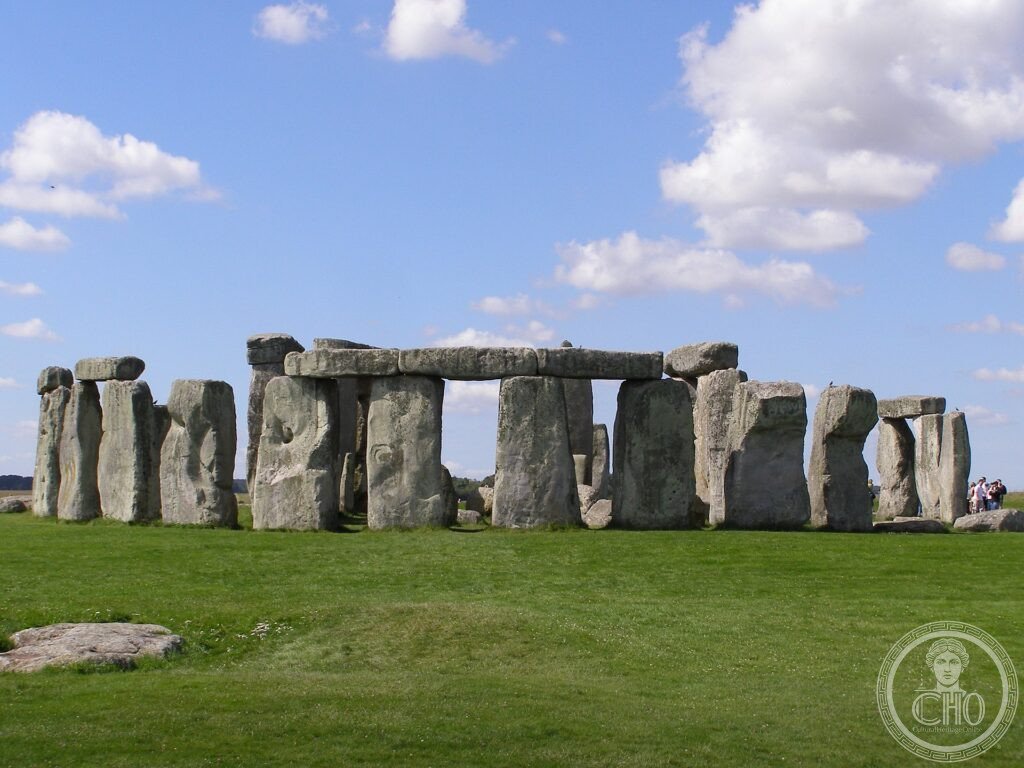
Stonehenge (c. 3000–1500 a.C.): il più celebre cerchio di pietre della preistoria
Nessuno sa con certezza perché fu costruito, e proprio questo lo rende ipnotico. Sulla piana di Salisbury, enormi blocchi di pietra furono eretti e allineati al sole del solstizio quattromila anni fa, trasportando alcune rocce minori dal Galles, a oltre duecento chilometri. Stonehenge resta l’enigma più famoso d’Europa.
At a glance
Stonehenge is the most architecturally sophisticated prehistoric stone circle in the world and one of the most famous monuments on Earth. Built in several phases between about 3000 and 1500 BC, its great sarsen stones were raised and capped with lintels using joints borrowed from carpentry, while the smaller bluestones were brought some 250 km from the Preseli Hills of Wales. The monument is aligned on the movements of the sun at the solstices. With the nearby stone circles of Avebury, it was inscribed by UNESCO in 1986.
Key facts
- UNESCO: World Heritage since 1986 (Stonehenge, Avebury and Associated Sites)
- Built: in phases between about 3000 and 1500 BC
- Sarsens: the largest stones, local sandstone, weighing up to about 25 tonnes
- Bluestones: smaller stones brought some 250 km from the Preseli Hills in Wales
- Alignment: oriented to sunrise at the summer solstice and sunset at the winter solstice
- Avebury: part of the same listing — one of the largest stone circles in the world
History
The site began around 3000 BC as a circular earthwork enclosure. Over the following centuries the bluestones and then the colossal sarsens were raised, the sarsens dressed and locked together with mortice-and-tenon and tongue-and-groove joints unique among prehistoric monuments. The effort of quarrying, transporting and erecting the stones, without metal tools or the wheel, implies a society of remarkable organisation.
Its precise purpose remains debated: a temple, an astronomical calendar, a place of burial and healing, or all of these. Excavations have found cremated human remains among the earliest features. For more than four thousand years Stonehenge has drawn pilgrims, antiquarians and, today, visitors gathering for the solstice.
What you see
The surviving stones form a broken ring of uprights and lintels around an inner horseshoe of the largest trilithons. Even partly fallen, the scale is striking: the tallest stone stands over 7 m. A path circles the monument at a respectful distance, while the Heel Stone marks the solstice axis out across the plain.
The visitor centre, set apart from the stones, displays Neolithic finds and reconstructed houses of the builders.
Practical information
- Entry: timed tickets required; the stone circle is viewed from a surrounding path
- Stone Circle Access: special early/late tours allow entry among the stones
- Time needed: about 2 hours with the visitor centre
- Solstice: managed open access is granted for the summer and winter solstices
Getting there
Stonehenge stands on Salisbury Plain in Wiltshire, southern England. The nearest city is Salisbury, about 13 km away, with rail links to London; a shuttle and tours run from Salisbury station. By car it is just off the A303. GPS: 51.1789° N, 1.8262° W.
Nearby
- Avebury — the vast stone circle and henge, part of the same World Heritage site
- Salisbury Cathedral — the tallest medieval spire in Britain, holding a Magna Carta copy
- Old Sarum — the Iron Age hillfort and deserted medieval town near Salisbury
Sources
- UNESCO World Heritage Centre — “Stonehenge, Avebury and Associated Sites” (ref. 373)
- English Heritage — Stonehenge, official guardianship body
- Encyclopaedia Britannica — Stonehenge
Find it on the map
See this place and what’s around it →📷 Diventa un fotografo di Cultural Heritage Online
Condividi le tue foto dei luoghi: restano pubblicate con la tua firma come autore. Più vengono viste, più ti fai conoscere — e presto un concorso premierà le foto più apprezzate.
Accedi o registrati gratis per aggiungere una foto