
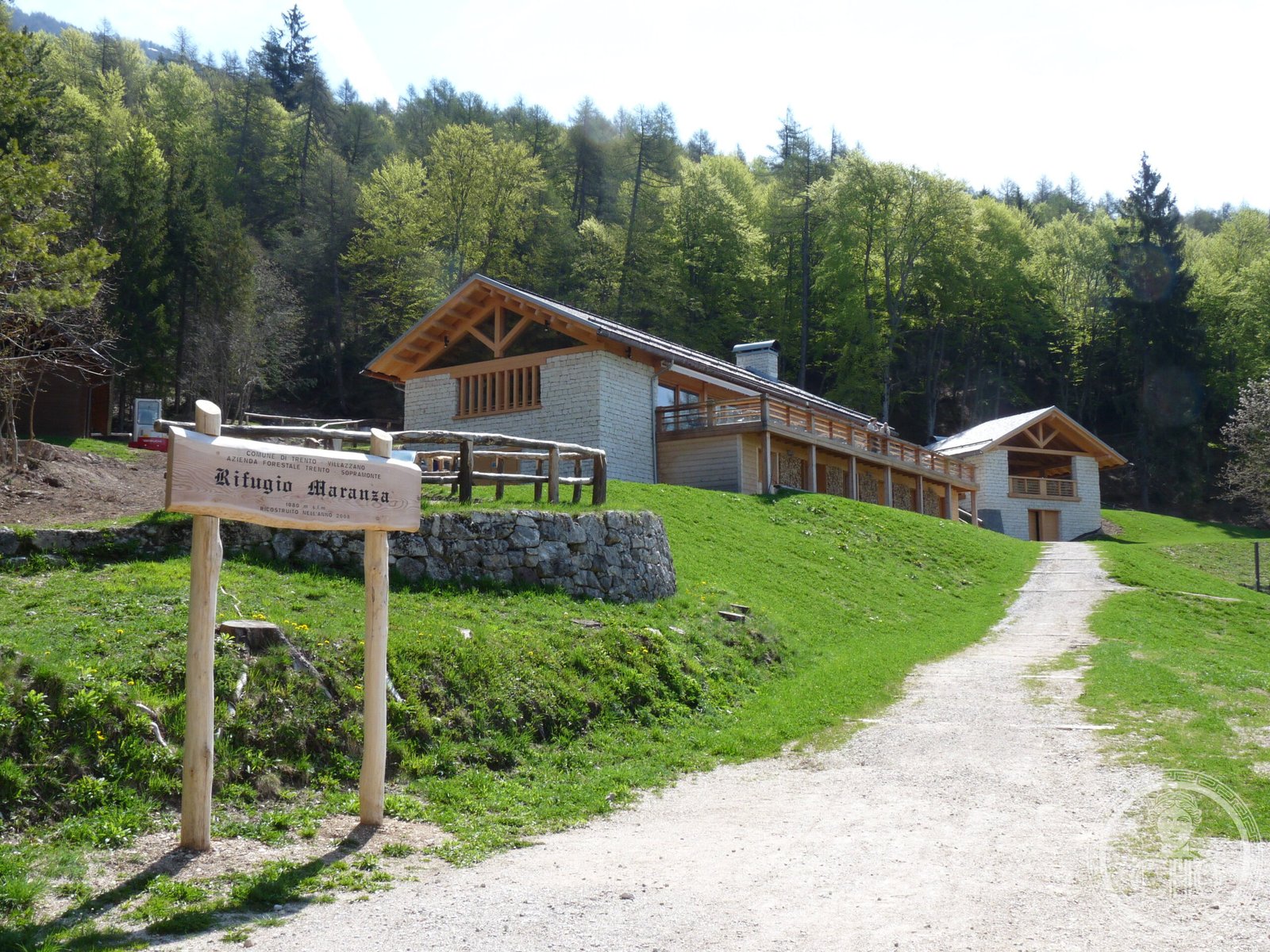
Rifugio Maranza Restaurant
Rifugio Maranza is a mountain refuge and restaurant on the plateaus of the Autonomous Province of Trento in Trentino, at an elevation above the valley floors that places it within the Alpine landscape of the southern Dolomite foothills. Rifugi of this type have been central to Alpine culture in northeastern Italy since the late 19th century, serving hikers, skiers, and travellers crossing mountain terrain between valley communities.
At a glance
- Type
- Mountain refuge and restaurant (rifugio)
- Location
- Trentino, Autonomous Province of Trento, Italy
- Coordinates
- 46.0281° N, 11.1651° E
- Region
- Trentino-Alto Adige/Südtirol, northeastern Italy
- Altitude
- Mountain plateau environment, Trentino highlands
Overview
The term rifugio — mountain refuge — designates a category of Alpine hospitality unique to the Italian Alps, combining accommodation, meals, and emergency shelter for those traversing mountain terrain. Rifugio Maranza stands in a landscape that has been shaped by centuries of transhumance, logging, and the development of Alpine tourism from the 1890s onwards. Trentino’s mountain refuges are managed under regulations of the Società degli Alpinisti Tridentini (SAT), the regional mountaineering club founded in 1872.
History
The Alpine refuge network in Trentino grew substantially in the late Habsburg period (before 1919, Trentino was part of the Austro-Hungarian Crown Land of Tyrol), when the German and Austrian Alpine clubs built huts to support mountaineering exploration. After Italian annexation in 1919, the Fascist regime renamed many Austro-German refuges and extended the network under the Club Alpino Italiano (CAI). The mountain plateaus of southern Trentino saw intense fighting during the First World War, and the landscape still bears traces of this history in the form of trenches, fortifications, and military cemeteries.
What you see
The setting typical of a Trentino mountain refuge offers panoramic views across Alpine meadows (malghe) dotted with traditional wooden barns and herding shelters. In summer the meadows burst with wildflowers characteristic of the sub-alpine zone; in winter the same terrain becomes cross-country skiing terrain. The geological backdrop includes the limestone massifs of the pre-Dolomitic Trentino ranges, rising to over 2,000 metres on the nearest ridges.
Cultural significance
Mountain refuges occupy a central place in the culture of northeastern Italy as places of encounter between valley communities, seasonal herders, and travellers from across Europe. The cuisine of Trentino rifugi reflects the bilingual heritage of the region — dishes such as canederli (bread dumplings), speck, polenta, and mushroom-based preparations appear alongside Austro-Tyrolean preparations. The rifugio tradition connects directly to pre-industrial Alpine economies of cheese-making, timber, and seasonal migration.
Practical information
- Address
- Trentino highlands — check official listings for the exact address
- Hours
- Seasonal; typically open June–October and December–March. Check official website for current hours
- Reservations
- Recommended for meals and overnight stays
Getting there
Trentino is accessible by the A22 Autostrada del Brennero from Verona (south) and Innsbruck (north), with the exit for Trento serving as a main gateway. Regional rail connects Trento to Verona and Bolzano. Mountain refuges in the area are typically reached on foot or by local forest roads; some are accessible by cable car from the valley stations. Confirm current road and trail access before visiting.
Sources & resources
Find it on the map
See this place and what’s around it →📷 Diventa un fotografo di Cultural Heritage Online
Condividi le tue foto dei luoghi: restano pubblicate con la tua firma come autore. Più vengono viste, più ti fai conoscere — e presto un concorso premierà le foto più apprezzate.
Accedi o registrati gratis per aggiungere una foto