
Molise Region
A mountainous Italian region straddling the Apennines and Adriatic coast, Molise preserves the archaeological legacy of the ancient Samnite civilization alongside medieval castles and Romanesque churches.
At a glance
Molise is a compact region in south-central Italy bordered by five neighbors—Abruzzo, Lazio, Campania, Puglia—and the Adriatic Sea. Its capital, Campobasso, anchors a landscape of Apennine peaks and coastal plains. The territory encompasses part of the Abruzzo National Park, rich in wildlife and hiking trails, alongside significant archaeological sites that document pre-Roman settlement patterns.
History
The lands of modern Molise correspond closely to ancient Regio IV Samnium, heartland of the Samnite people whose warrior culture defined central Italian resistance to Rome. During the Lombard period, feudal lordship began to crystallize around the Contado di Molise, a territory that remained administratively fluid for centuries. Only with the Napoleonic reorganization of the Kingdom of the Two Sicilies did Molise acquire its current boundaries. The province of Isernia was formally separated from Campobasso in 1970, establishing the dual-province structure that persists today. The region’s name derives from its earliest feudal rulers, the De Molisio family, though some scholars link it instead to the municipality of Molise.
What you see
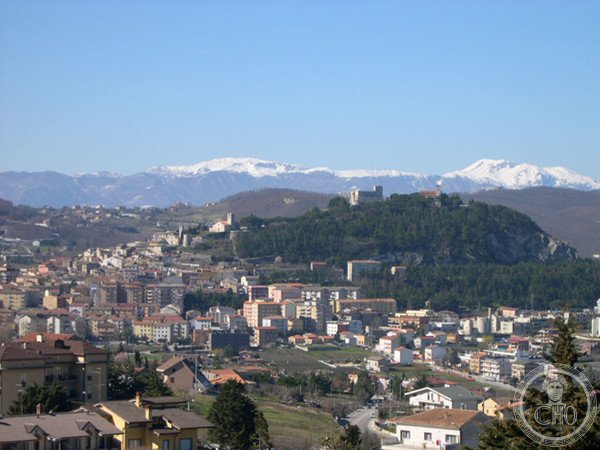
Campobasso commands attention with Monforte Castle, perched on a mountain overlooking the city. The capital also preserves several notable Romanesque churches that reflect medieval religious architecture. North of the city lies the archaeological area of Pietrabbondante, where a well-preserved ancient theater and Samnite temple stand as monuments to pre-Roman urban civilization. The Apennine terrain supports extensive trail networks through the Abruzzo National Park section.
Cultural significance
Molise represents a crucial node in understanding central Italy’s pre-Roman past. The Samnite heritage—visible in Pietrabbondante’s remains—illuminates a sophisticated ancient society before Roman conquest. Medieval and early modern monuments document the region’s evolution through feudalism and the formation of southern Italian kingdoms. Today the region’s cultural landscape bridges archaeology, medieval history, and natural heritage.
Key facts
- Regional capital: Campobasso
- Provinces: Campobasso and Isernia (Isernia established 1970)
- Coordinates: 41.5580883, 14.6593762
- Website: http://www3.regione.molise.it
- Phone: 0874 4291
Practical information
The region welcomes visitors year-round. Detailed opening hours, admission fees, and seasonal accessibility for specific monuments like Monforte Castle and the Pietrabbondante archaeological site are best confirmed through the regional website or local tourism offices.
Getting there
Molise is accessible by rail and road from Rome, Naples, and other major southern Italian cities. Campobasso serves as the primary hub for onward travel throughout the region. Local buses and car rental enable exploration of mountain villages, national park areas, and archaeological zones.
Sources & resources
Find it on the map
See this place and what’s around it →Historical events at this place (1)
📷 Diventa un fotografo di Cultural Heritage Online
Condividi le tue foto dei luoghi: restano pubblicate con la tua firma come autore. Più vengono viste, più ti fai conoscere — e presto un concorso premierà le foto più apprezzate.
Accedi o registrati gratis per aggiungere una foto