
Mayer Van Den Bergh Museum
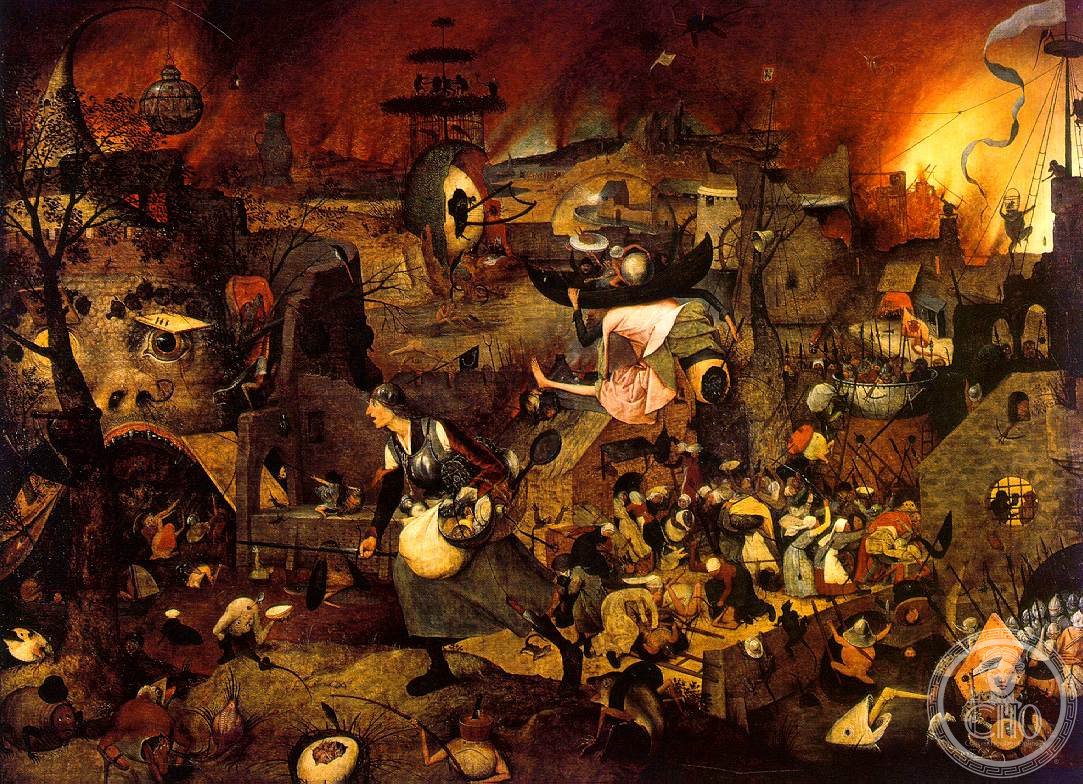
Museum Mayer van den Bergh in Antwerp is one of the most intimate and remarkable private collections to survive intact in Europe, housed in a purpose-built neo-Gothic townhouse opened in 1904. The museum preserves the collection assembled by the art dealer and passionate collector Fritz Mayer van den Bergh (1858–1901), who in a brief career of less than two decades accumulated over two thousand objects — paintings, sculpture, ivories, tapestries, furniture and applied arts — predominantly from the Gothic and early Flemish Renaissance periods. Its single most celebrated work is the Dulle Griet, a monumental panel painting by Pieter Bruegel the Elder.
At a glance
- Type
- Private collection museum
- Period
- Collection formed 1884–1901; museum opened 1904
- Style
- Neo-Gothic townhouse; Gothic and Renaissance collection
- Location
- Lange Gasthuisstraat 19, 2000 Antwerp, Belgium
- Coordinates
- 51.2175° N, 4.4021° E
Overview
Museum Mayer van den Bergh is a museum in Antwerp, Belgium, the collection of which is based on the vast holdings of the art dealer and collector Fritz Mayer van den Bergh (1858–1901). The majority of the artworks and objects are from the Gothic and Renaissance periods in Belgium, including paintings by Pieter Brueghel the Elder. After Fritz’s early death at the age of 43, his mother Henriette de Mayer van den Bergh had the present museum building constructed and opened it to the public in 1904 as a permanent memorial to her son’s passion and scholarship.
History
Fritz Mayer van den Bergh was born in Antwerp in 1858 into a prosperous merchant family with a taste for art and antiquities. Beginning seriously to collect in the mid-1880s, he developed an exceptional eye for medieval and early Flemish material at a time when such works were still relatively undervalued, acquiring pieces from church sales, dealers and auctions across Belgium, the Netherlands and Germany. His most extraordinary purchase was the Dulle Griet by Pieter Bruegel the Elder, bought in 1894 for a modest sum. Fritz died in 1901, aged 43, never having formally organised or publicly displayed his collection. His mother Henriette immediately commissioned an architect to build a suitable neo-Gothic house on Lange Gasthuisstraat and in 1904 the museum opened its doors, with the collection installed in period-style interiors that remain largely unchanged today.
What you see
The museum’s permanent display encompasses over two thousand works arranged across the atmospheric rooms of the neo-Gothic townhouse. The undisputed masterpiece is the Dulle Griet (Mad Meg), Bruegel the Elder’s large oil panel of circa 1561–1563 depicting a monstrous female figure leading an army of women into hell — one of the most enigmatic and powerful images of the Northern Renaissance. Alongside it hang other Flemish and Dutch panel paintings, an exceptional collection of Gothic carved altarpieces and wood sculpture, Flemish millefleurs tapestries, medieval ivories, majolica, metalwork, and a suite of antique furniture and decorative objects that collectively evoke the world of a prosperous sixteenth-century Antwerp merchant.
Cultural significance
The Mayer van den Bergh Museum is considered one of the finest small museums in Europe for medieval and early Renaissance Flemish material, and its survival as an unaltered private collection is itself a rarity. The Dulle Griet alone justifies a pilgrimage to Antwerp: it is one of only about forty authenticated panel paintings by Pieter Bruegel the Elder in existence worldwide. The museum’s neo-Gothic interiors, conceived as a gesamtkunstwerk — a total work of art — in which collection and architecture form a unified whole, offer an experience fundamentally different from the large encyclopaedic museum.
Practical information
- Address
- Lange Gasthuisstraat 19, 2000 Antwerpen, Belgium
- Hours
- Check the official museum website (museummayervandenbergh.be) for current opening times and admission fees; closed Mondays
Getting there
The museum is centrally located in Antwerp, about ten minutes on foot from Groenplaats and the Cathedral of Our Lady. Antwerp Central Station is approximately 20 minutes on foot or a short tram ride away. Trams 4, 7 and 8 stop on nearby Nationalestraat. By car, the museum is in the pedestrianised historic centre where access is restricted; park at one of the underground garages near Groenplaats or Grote Markt.
Sources & resources
Find it on the map
See this place and what’s around it →📷 Diventa un fotografo di Cultural Heritage Online
Condividi le tue foto dei luoghi: restano pubblicate con la tua firma come autore. Più vengono viste, più ti fai conoscere — e presto un concorso premierà le foto più apprezzate.
Accedi o registrati gratis per aggiungere una foto