
Mantova e Sabbioneta
Two cities united by the Gonzaga dynasty and by UNESCO’s recognition of the Italian Renaissance city as a total work of art — Mantova (UNESCO WHS 2008) was the laboratory where Andrea Mantegna developed the technique of illusionistic ceiling painting that Michelangelo would use in the Sistine Chapel, while Sabbioneta 40 km to the south is the world’s only perfectly preserved planned Renaissance ideal city, built in 30 years (1556–1591 CE) by one man with one vision.
At a glance
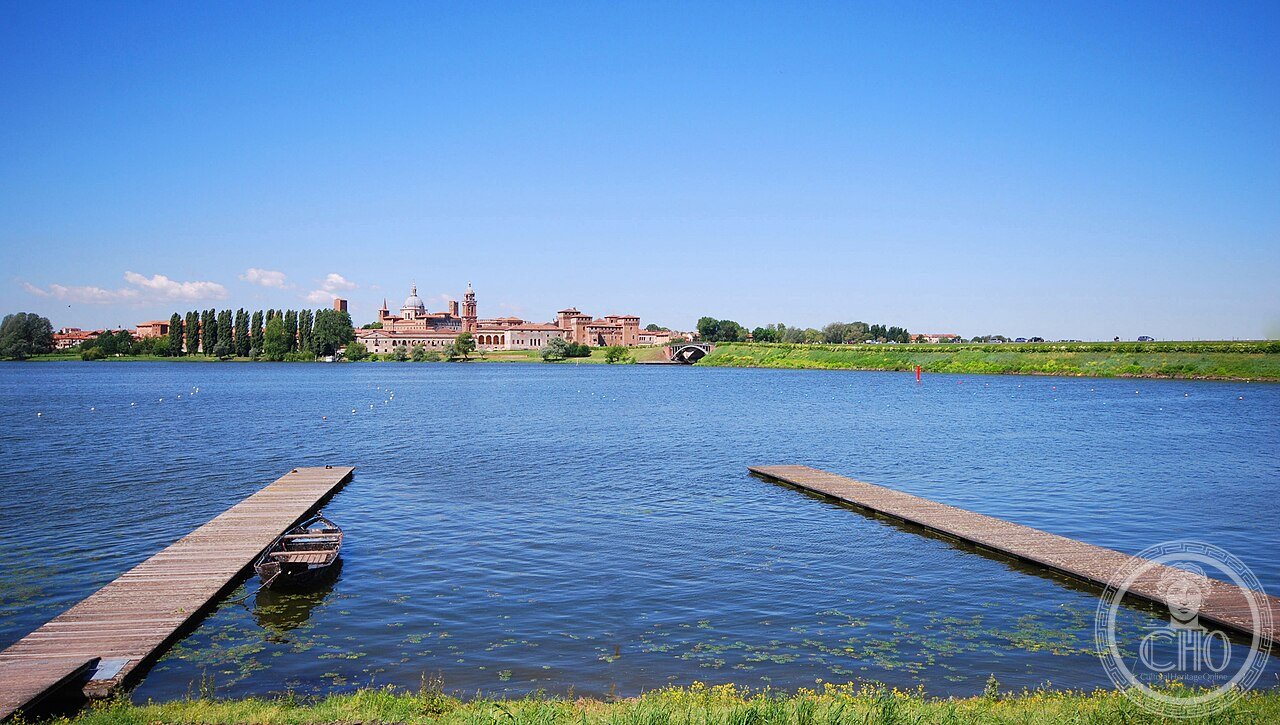
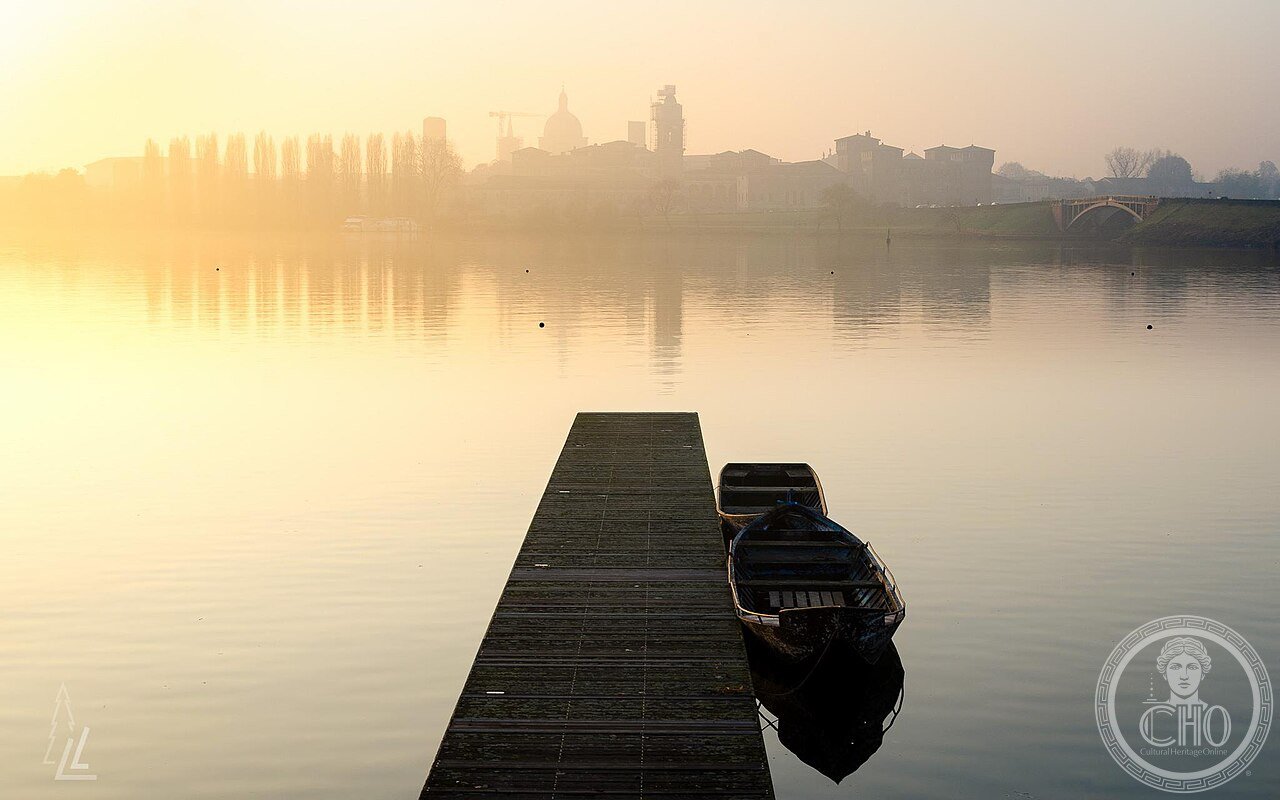
Mantova (the most precisely Mantova single Mantova city Lombardia Italy 45.1564 N 10.7910 E UNESCO WHS 2008 reference 1287 Gonzaga family ruled Mantova 1328 1708 CE 380 years one of the longest uninterrupted dynastic rules of a single city in Italian history Gonzaga cultural court: the most consistent artistic patronage programme of any Italian Renaissance court; the court poets: Virgil (born near Mantova 70 BCE); Pietro Aretino; Baldassare Castiglione who wrote Il Cortegiano (The Book of the Courtier 1528 CE the defining description of the ideal Renaissance courtier written based on the court of Urbino but circulated first at Mantova); the court artists: Andrea Mantegna (court painter 1460 1506 CE); Giulio Romano (architect designer 1524 1546 CE; Palazzo Te); Leon Battista Alberti (designed Sant Andrea 1471 CE the definitive Renaissance basilica form); the 3 Gonzaga lakes: created by damming the Mincio river; the city on a peninsula surrounded by water on 3 sides; the visual effect: the city appears to float on water when seen from any direction — the deliberate visual effect sought by the Gonzaga who used the lakes as defence and ornament simultaneously).
Key facts
- The Camera degli Sposi and the oculus (how Andrea Mantegna invented the technique that Michelangelo used in the Sistine Chapel): Andrea Mantegna (1431–1506 CE; court painter of the Gonzaga from 1460 CE; born near Padova; trained under Francesco Squarcione) was commissioned by Ludovico Gonzaga in 1465 CE to paint the bridal chamber of the Palazzo Ducale (Camera degli Sposi; the small room measuring approximately 8m × 8m in the north tower of the palace); the commission was completed in 1474 CE (the date is painted in the room); the key innovation is in the ceiling: Mantegna painted a fictive oculus (a round opening in the vault) looking up to a blue sky with putti sitting on a ledge around the opening and looking down into the room; the painted vault appears to be an open skylight; this is the first illusionistic ceiling painting in European art — the first time a ceiling was painted to appear to dissolve into sky; Michelangelo when painting the Sistine Chapel (1508–1512 CE) used Mantegna’s oculus as his primary technical reference for the Ignudi figures and the whole concept of figures apparently sitting on the painted ceiling frame; he would have known the Camera degli Sposi from his studies of Mantegna; the specific debt is confirmed in contemporary correspondence (Vasari’s Lives of the Artists; the specific visual comparison between Mantegna’s putti leaning over the oculus edge and Michelangelo’s Ignudi in the comparable positions on the Sistine ceiling is the most widely cited technical influence in Renaissance art history)
- GPS: 45.1564° N, 10.7910° E (Palazzo Ducale, Mantova)
History
From Gonzaga court to Giulio Romano laboratory to UNESCO heritage (the most precisely Mantova single 70 BCE Publius Vergilius Maro (Virgil) born Andes near Mantua (today Pietole di Virgilio) the poet of the Aeneid Georgics Eclogues the most important literary figure born in Lombardia 222 BCE Roman conquest Mantua 1115 CE independent commune 1273 CE first Gonzaga family mentioned in city records 1328 CE Luigi I Gonzaga became captain of Mantova first Gonzaga signore (lord) 1380 CE Francesco I Gonzaga first marquis 1430s 1440s CE Pisanello at Gonzaga court gold medals (the Tournament frescos in the Palazzo Ducale attributed to Pisanello are the only surviving example of Pisanello’s secular fresco work): the specific Pisanello frescos and their rediscovery in 1969 CE: the 3 cycle Tournament scenes were hidden behind whitewash applied in the 16th century CE; in 1969 CE during routine restoration of the palazzo walls, workers found the whitewash and removed it to discover the Pisanello frescos — 3 large-scale battle/tournament scenes in brilliant colour; the discovery was the single most important finding of a lost Renaissance fresco cycle in 20th-century Italy 1460 CE Andrea Mantegna arrives Gonzaga court stays until 1506 CE 1474 CE Camera degli Sposi completed 1471 CE Leon Battista Alberti completes design for Sant Andrea basilica begun 1472 CE still unfinished when Alberti died; his design was the single most influential church plan of the Italian Renaissance — the barrel-vaulted nave flanked by chapel niches on alternating rhythm that became the template for St Peter’s in Rome and every Italian Baroque church 1524 CE Giulio Romano (c.1499 1546 CE; born Rome; Raphael’s principal assistant who completed the Vatican Stanze after Raphael’s death 1520 CE) arrived Mantova at Gonzaga invitation 1524 1546 CE Giulio Romano’s most productive period: Palazzo Te (1524 1534 CE) the most Mannerist building in Italy Sala dei Giganti (the Room of the Giants — the entire room walls floor ceiling painted as a single catastrophic scene of the Titans being crushed by mountains; the first all-room immersive painting installation in Europe); his own house in Mantova (1542 CE; Via Poma; a private house with the most sophisticated Mannerist facade in any Gonzaga-period building in Mantova) 1556 CE Vespasiano Gonzaga began building Sabbioneta 40 km south as his ideal city; built from scratch in 35 years 1591 CE 1627 CE sack of Mantova most of the Gonzaga art collection sold or destroyed; the sale of 2000 Gonzaga collection items to King Charles I of England (1627 CE) through the agent Nicholas Lanier is the single largest transfer of Italian Renaissance art collection to England in history 1708 CE last Gonzaga died Habsburg inherited 2008 CE UNESCO WHS).
What you see
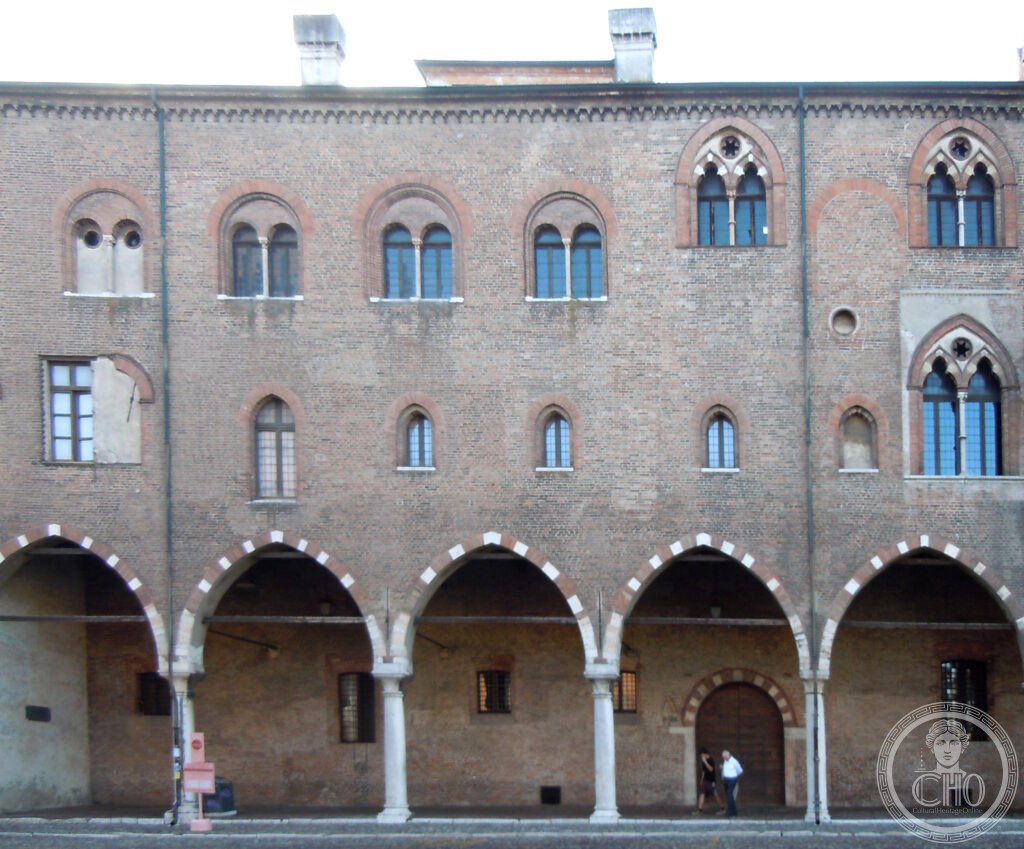
Palazzo Ducale, Camera degli Sposi, Palazzo Te, and Sabbioneta (the most precisely Mantova single Palazzo Ducale: the largest palace complex in Europe after the Escorial 500 rooms 14 courtyards begun 13th CE expanded over 400 years Gonzaga patronage; the Camera degli Sposi booking essential (advance online at coopculture.it; maximum 8 persons per 15-min slot; the limitation on visitor numbers is the strictest in any single room in Mantova; the camera is the size of a small living room — 8m × 8m — and the painted ceiling literally disappears if too many breath-driven moisture enters; buy ticket in advance especially May-October); after the Camera degli Sposi: the room of the Pisanello frescos (the 1969 CE discovered Tournament scenes; in the same Palazzo Ducale but different wing; less visited; the colours extraordinary for 1440s CE surviving in excellent condition); Palazzo Te: (built 1524 1534 CE; Giulio Romano; the summer palace 15 min walk from Palazzo Ducale; a single-storey building around a central garden court; the key room: Sala dei Giganti (1532 1534 CE; the immersive all-room painted catastrophe of the Titans vs Jupiter; every surface — walls, floor, ceiling — painted as a single scene; standing in the room the painting surrounds you at 360 degrees; the perspective technique: Giulio Romano used a curved horizon line so that the falling mountains appear to converge on the viewer wherever they stand in the room — the first all-environment illusionistic painting in Europe; entry to Palazzo Te €12; open Tue-Sun); Sant Andrea basilica (1472 CE started; Leon Battista Alberti design; the principal church of Mantova; the facade: a triumphal arch with Corinthian pilasters flanking the central arch — the first systematic application of the Roman triumphal arch to a church facade; the dome was added by Giulio Romano in 1545 CE; inside: the tomb of Andrea Mantegna in the first chapel on the left (the specific chapel: Mantegna himself designed it as his funerary monument; the painted dome of the chapel is by Mantegna; the bronze bust is possibly self-portraiture)); Sabbioneta: 40 km south by car or bus (car recommended; no train); the ideal city founded 1556 CE by Vespasiano Gonzaga (the city planned from nothing on a flat plain; regular hexagonal plan; all major buildings within 300m of each other; Palazzo Ducale of Sabbioneta; Teatro Olimpico 1590 CE the second oldest surviving theatre in Italy after Palladio’s at Vicenza; the Galleria degli Antichi (antiquities gallery; the first monumental gallery built specifically to display a private art collection in Europe before any major European museum); the Synagogue (17th CE); the entire city is accessible on foot in 2 hours; the UNESCO combined ticket covers both Mantova and Sabbioneta).
Practical information
- Getting there and navigating: from Milan: train 1h30m (regional; Mantova station 15 min walk from Palazzo Ducale); from Verona: train 40 min (very frequent); from Bologna: 2h; bicycle (Mantova is flat and bicycle-friendly with dedicated cycle paths to all major sights including Palazzo Te; rental at Mantova Bike near the station); Camera degli Sposi booking (mandatory in advance; coopculture.it; last-minute tickets are sometimes available at the Palazzo Ducale ticket office same day if you arrive 30 min before opening — 8:30 AM); Sabbioneta (direct bus from Mantova; 45 min; once or twice per day weekdays; car rental recommended to visit both in one day; combined ticket available at fondazione.it/mantovaesuoi-siti); the Mantova Literature Festival (Festivaletteratura; September; the most important annual literary event in Italy by prestige; the entire historic centre becomes a reading/listening venue; Piazza Sordello and Piazza delle Erbe fill with international authors; registration required for events at festivaletteratura.com; many events free; the festival has taken place since 1997 CE and has brought more international cultural attention to Mantova than any other single event in the past 30 years); best time (April–June: the lakes reflect the city in calm morning light; September: Festivaletteratura; January–February: no tourists but very cold — the Po Valley fog is at its most dramatic and the Gonzaga cities look their most atmospheric in winter mist)
Getting there
From Milan: train 1h30m. From Verona: 40 min (frequent). Camera degli Sposi MANDATORY advance booking (coopculture.it; 8 persons max, 15 min slots). Bicycle-friendly city. Sabbioneta 40 km (bus 45 min or car). Festivaletteratura September (festivaletteratura.com). GPS: 45.1564, 10.7910.
Nearby
- Cremona — 50 km north (the violin-making capital of the world since 1564 CE when Andrea Amati (1505–1577 CE) made the first modern violin with 4 strings; Antonio Stradivari (1644–1737 CE) made approximately 1,100 instruments in Cremona of which approximately 650 survive today; the Museo del Violino (2013 CE; Piazza Marconi 5; the largest violin museum in the world; the sound room where you can hear original Stradivarius instruments played; the most acoustic-specific museum experience in Italy — the concert hall was designed specifically for amplifying the Stradivarius sound); the Piazza del Comune: the Torrazzo (113m; the tallest medieval tower in Italy and the tallest medieval brick bell tower in Europe))
- Verona — 45 km east by train (UNESCO WHS 2000; the Arena 30 CE; the Scaligeri; Mantegna’s Pala di San Zeno; the Opera Festival; Juliet’s House)
Gallery
Sources
- Wikipedia, Mantua; Gonzaga dynasty; Camera degli Sposi; Andrea Mantegna; Giulio Romano; Palazzo Te; Sabbioneta; Leon Battista Alberti, accessed June 2026
- UNESCO, Mantua and Sabbioneta, WHS reference 1287, inscribed 2008
Find it on the map
See this place and what’s around it →📷 Diventa un fotografo di Cultural Heritage Online
Condividi le tue foto dei luoghi: restano pubblicate con la tua firma come autore. Più vengono viste, più ti fai conoscere — e presto un concorso premierà le foto più apprezzate.
Accedi o registrati gratis per aggiungere una foto