
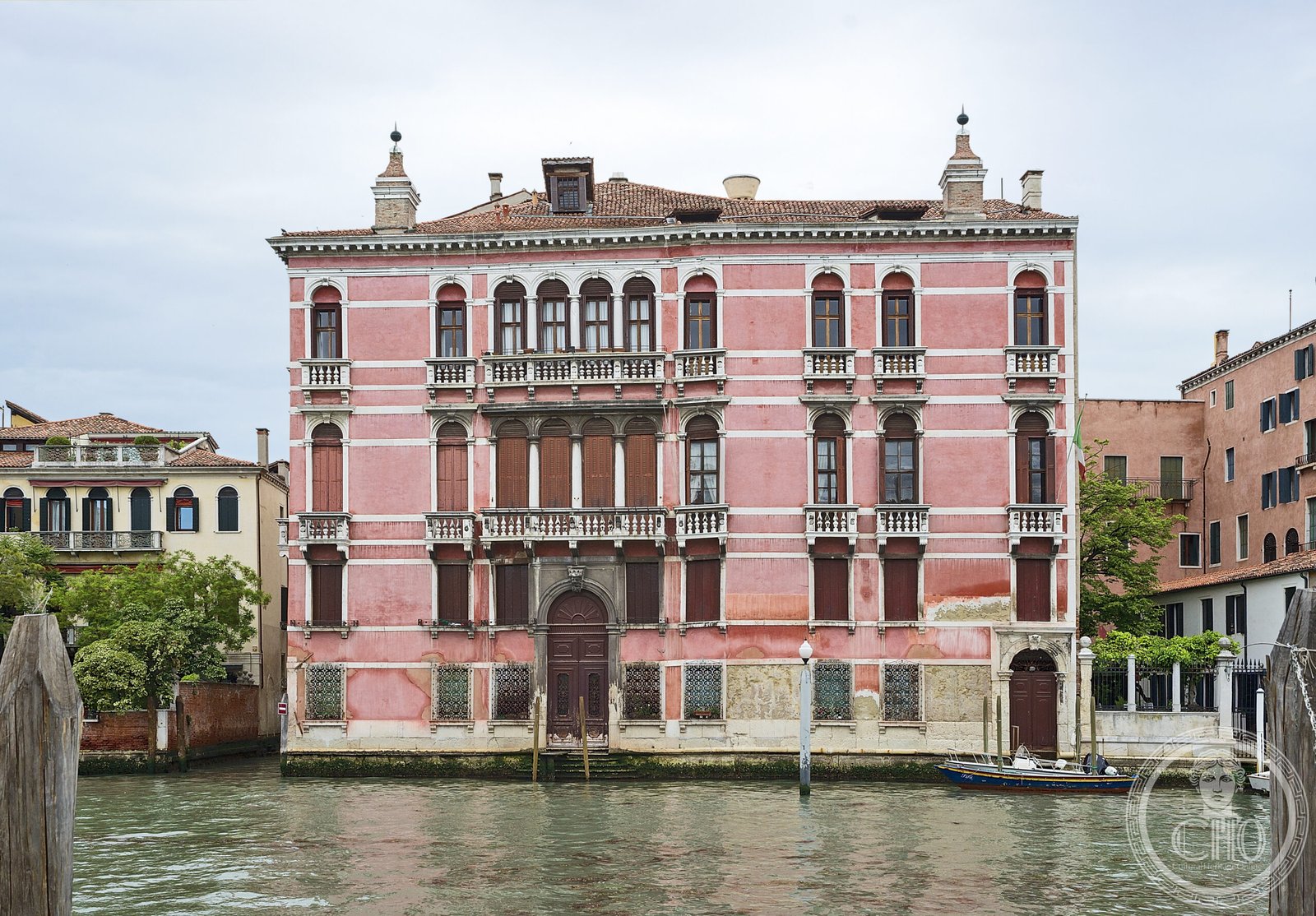
Palazzo Rezzonico
Palazzo Rezzonico is one of the grandest Baroque palaces on Venice’s Grand Canal, begun by the architect Baldassare Longhena in the 1640s and completed by Giorgio Massari in the 18th century for the Rezzonico family, who rose to papal prominence when Carlo Rezzonico became Pope Clement XIII in 1758. Today the palace houses the Museo del Settecento Veneziano (Museum of 18th-Century Venice), holding an outstanding collection of Venetian Rococo furniture, paintings by Giambattista Tiepolo and Pietro Longhi, and decorative arts. Its monumental canal facade and richly appointed interiors make it one of the city’s essential cultural destinations.
At a glance
- Type
- Baroque patrician palazzo; civic museum
- Period
- Begun c. 1649 (Longhena); completed 1756 (Massari)
- Style
- Venetian Baroque
- Architects
- Baldassare Longhena; completed by Giorgio Massari
- Current use
- Museo del Settecento Veneziano (Museum of 18th-Century Venice)
- Location
- Dorsoduro, Venice, Italy
- Coordinates
- 45.4412° N, 12.3336° E
Overview
Palazzo Rezzonico dominates the Grand Canal at the bend near the Ca’ Foscari university, its massive two-storey rusticated stone facade a defining feature of the Dorsoduro waterfront. The building changed hands several times after the Rezzonico family’s extinction; notably, the poet Robert Browning died here in 1889, and the palace was owned for a period by the American expatriate Cole Porter. Since 1934 it has served as a public museum, offering an unparalleled window into the luxury and artistic culture of 18th-century Venice.
History
Construction began around 1649 under Baldassare Longhena, the architect also responsible for Santa Maria della Salute, on commission from the Bon family. Work stalled after Longhena’s death in 1682 and the financial difficulties of the original patrons. The Rezzonico family, Lombard bankers who had purchased Venetian patrician status in 1687, acquired the incomplete shell and hired Giorgio Massari to complete the upper floors and the magnificent ballroom, finished in 1756. The family’s fortunes peaked when Ludovico Rezzonico became Pope Clement XIII in 1758; the palace’s interiors were lavishly decorated in celebration. After the Rezzonico line died out, the palace passed through various owners including the Bon and Widmann families before the City of Venice purchased it in 1935 and converted it to a museum.
What you see
The monumental Grand Canal facade — rusticated at ground level, with giant orders of engaged columns above — was Longhena’s last major work and is among the most imposing Baroque canal frontages in Venice. Inside, the ballroom (salone da ballo) decorated by Giambattista Crosato with allegorical ceiling frescoes and by Andrea Brustolon with an extravagant suite of carved ebony furniture is a high-water mark of 18th-century Venetian interior decoration. The museum collection includes Giambattista Tiepolo’s allegorical ceiling paintings, a complete period pharmacy, Pietro Longhi’s genre scenes of Venetian daily life, and views of Venice by Canaletto and Guardi. A garden at the rear offers a rare green retreat in this densely built district.
Cultural significance
Palazzo Rezzonico is considered one of the supreme examples of Venetian Baroque domestic architecture and its museum collection one of the most comprehensive records of the cultural world that produced Casanova, Goldoni and the Venetian school of painting. Its association with the Rezzonico papal family and with celebrated foreign residents including Robert Browning adds further layers of significance to an already extraordinary building.
Practical information
- Address
- Fondamenta Rezzonico, 3136, 30123 Venezia VE (Dorsoduro)
- Hours
- Wednesday–Monday 10:00–18:00 (last entry 17:00); closed Tuesday; check official website for seasonal variations
- Admission
- Charged; reductions available; included in the Venezia Unica Museum Pass
- Website
- visitmuve.it — Ca’ Rezzonico
Getting there
Take vaporetto line 1 to the Ca’ Rezzonico stop on the Grand Canal — the palace entrance is steps away on Fondamenta Rezzonico (land side). Alternatively, line 2 stops at San Tomà, a 5-minute walk through Dorsoduro. Water taxis can arrive at the Grand Canal water gate. From Santa Lucia station, line 1 takes approximately 20 minutes.
Sources & resources
Find it on the map
See this place and what’s around it →📷 Diventa un fotografo di Cultural Heritage Online
Condividi le tue foto dei luoghi: restano pubblicate con la tua firma come autore. Più vengono viste, più ti fai conoscere — e presto un concorso premierà le foto più apprezzate.
Accedi o registrati gratis per aggiungere una foto