
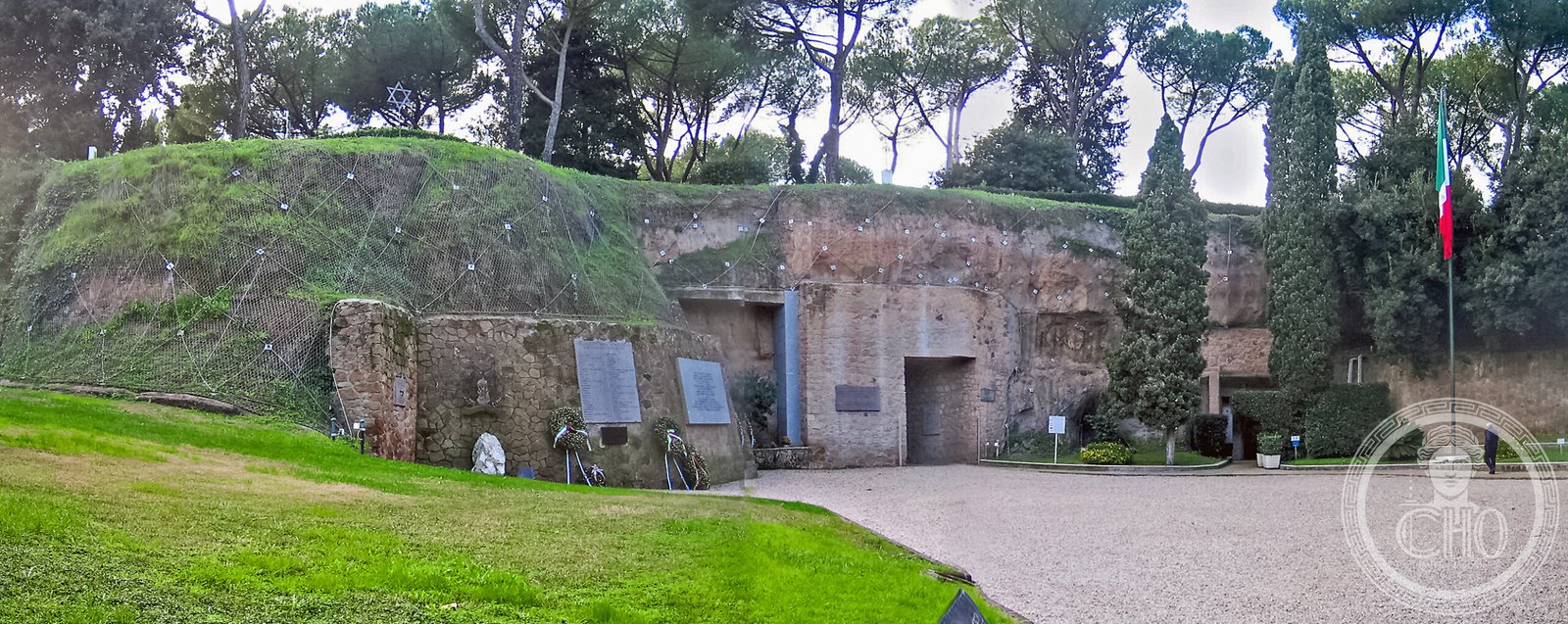
Fosse Ardeatine
The Fosse Ardeatine is a memorial site and ossuary in Rome marking the location of one of the worst Nazi atrocities committed in Italy during the Second World War. On 24 March 1944, German SS troops executed 335 civilians and political prisoners in the ancient tufa quarries along the Via Ardeatina as a reprisal for a partisan attack that had killed 33 German soldiers in Via Rasella the day before. The site was subsequently sealed and, after liberation, became a place of national mourning; it is now a state monument and museum visited by hundreds of thousands of people each year as a testament to the victims and the crimes of the occupation.
At a glance
- Type
- WWII massacre site, ossuary, and national memorial
- Period
- Massacre: 24 March 1944; memorial established post-1944; mausoleum completed 1949
- Style
- Modernist memorial architecture; monumental ossuary
- Location
- Via Ardeatina 174, Rome, Italy
- Coordinates
- 41.8569° N, 12.5100° E
Overview
The Fosse Ardeatine massacre was carried out by the SS-Polizeiregiment Bozen on the direct orders of SS-Obersturmbannführer Herbert Kappler, following a partisan bomb attack in Via Rasella that killed 33 members of the German police regiment. The 335 victims were Jews, partisans, political prisoners, and ordinary Roman civilians — shot in groups in the ancient tunnels and their bodies buried under explosives. After Rome’s liberation in June 1944, the site was uncovered and identified; a mausoleum and memorial were built over the caves between 1944 and 1949.
History
The reprisal killings of 24 March 1944 were ordered by the German command in Rome following the Via Rasella attack: the ratio was ten Italians for every German killed, resulting in 330 victims, with five additional prisoners added to eliminate witnesses. Among the victims were 75 Roman Jews, many arrested in the October 1943 roundup, as well as members of the communist, Catholic, and military resistance. After liberation, the crime was documented by Allied investigators; Herbert Kappler was tried by Italian courts in 1948 and sentenced to life imprisonment. The mausoleum, designed by architects Nello Aprile, Cino Calcaprina, Aldo Cardelli, and Mario Fiorentino, was inaugurated in 1949; the 335 sarcophagi are arranged in a single large chamber beneath a massive concrete slab.
What you see
Visitors first pass through the museum, which documents the occupation of Rome, the Via Rasella attack, and the massacre through photographs, documents, and personal testimony. The tunnel complex — the actual caves where the killings took place — is preserved as a place of solemn witness, with the rock walls still bearing traces of the original tufa quarrying. The mausoleum hall holds 335 sarcophagi, each carved in travertine marble with the name, age, and profession of a victim. A bronze sculpture group by Francesco Coccia stands at the entrance. The site is maintained by the Associazione Nazionale Famiglie Italiane Martiri (ANFIM).
Cultural significance
The Fosse Ardeatine is Italy’s most visited memorial site of the Second World War and one of the most powerful sites of Holocaust and anti-fascist memory in Europe. It is a site of state commemoration on 24 March each year, when presidents, ministers, and representatives of the Jewish community of Rome gather to honour the victims. The site has been central to post-war debates in Italy about memory, justice, and reconciliation.
Practical information
- Address
- Via Ardeatina 174, 00142 Rome, Italy
- Hours
- Open daily; check official website for current opening times
- Admission
- Check official website — entry fees may apply for museum sections
- Website
- mausoleofosse.it
Getting there
From central Rome, take the Metro B line to Laurentina, then bus 714 or 716 toward Via Ardeatina. Alternatively, bus 218 runs from Piazza San Giovanni in Laterano along the Via Appia Nuova and connects to the Via Ardeatina area. By car, the site is approximately 6 km from the Colosseum via the Via Appia Nuova or the Via Ardeatina.
Sources & resources
Find it on the map
See this place and what’s around it →Historical events at this place (1)
📷 Diventa un fotografo di Cultural Heritage Online
Condividi le tue foto dei luoghi: restano pubblicate con la tua firma come autore. Più vengono viste, più ti fai conoscere — e presto un concorso premierà le foto più apprezzate.
Accedi o registrati gratis per aggiungere una foto