
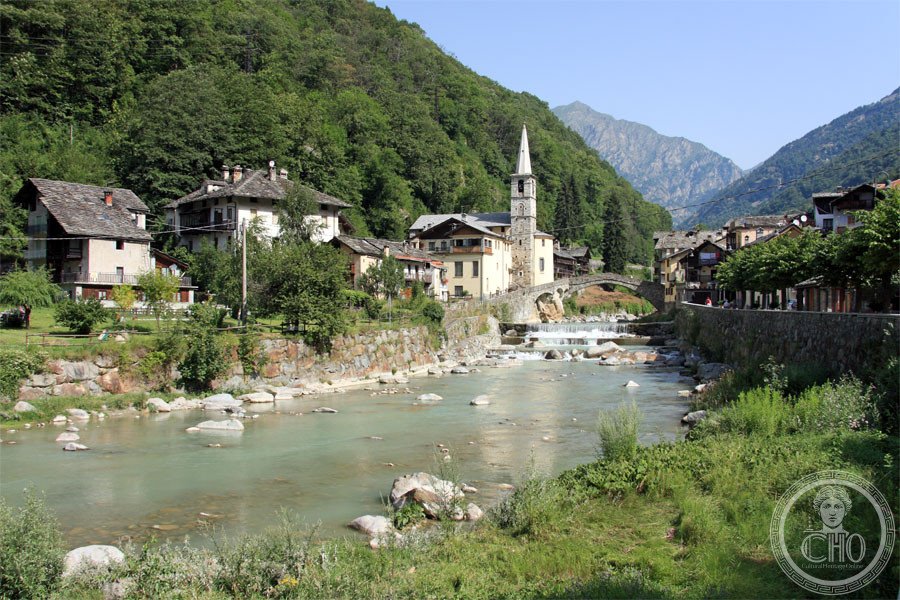
Fontainemore
Fontainemore is a town and comune in the Aosta Valley region of north-western Italy. It is recognised as one of I Borghi più belli d'Italia, the association of the most beautiful villages in Italy, set in the Alpine landscape of the western Alps.
At a glance
- Type
- Alpine town and comune
- Period
- Historic Alpine settlement
- Style
- Mountain village; one of I Borghi più belli d'Italia
- Location
- Aosta Valley, north-western Italy (45.6490° N, 7.8607° E)
Overview
Fontainemore is a comune in the Aosta Valley, Italy's smallest autonomous region in the north-western Alps. It is officially listed among I Borghi più belli d'Italia, recognising the quality of its village character. The comune lies in the bilingual French-Italian cultural setting of the region.
History
Fontainemore shares the Alpine history of the Aosta Valley, a land shaped by mountain communities and transalpine connections. Its inclusion among I Borghi più belli d'Italia reflects the preservation of its historic village fabric. The settlement has remained a small mountain community within the valley.
What you see
The village retains the traditional character that earned its place among Italy's most beautiful villages, with stone buildings and a setting amid Alpine slopes. Surrounding the historic core are mountains, woods and pastures typical of the Aosta Valley. The compact village and its natural backdrop define the visitor experience.
Cultural significance
As a member of I Borghi più belli d'Italia, Fontainemore is recognised for its preserved village heritage. Within the Aosta Valley, it represents the region's blend of Alpine tradition and bilingual culture.
Practical information
Fontainemore is a small Alpine village best visited as part of touring the Aosta Valley. For current visitor information and local points of interest, check the official municipal and regional tourism websites.
Getting there
Fontainemore is reached via the road network of the lower Aosta Valley. The valley is served by the A5 motorway and regional roads connecting its communes; the nearest rail and main road links run along the valley floor toward Aosta.
Sources & resources
Find it on the map
See this place and what’s around it →📷 Diventa un fotografo di Cultural Heritage Online
Condividi le tue foto dei luoghi: restano pubblicate con la tua firma come autore. Più vengono viste, più ti fai conoscere — e presto un concorso premierà le foto più apprezzate.
Accedi o registrati gratis per aggiungere una foto