
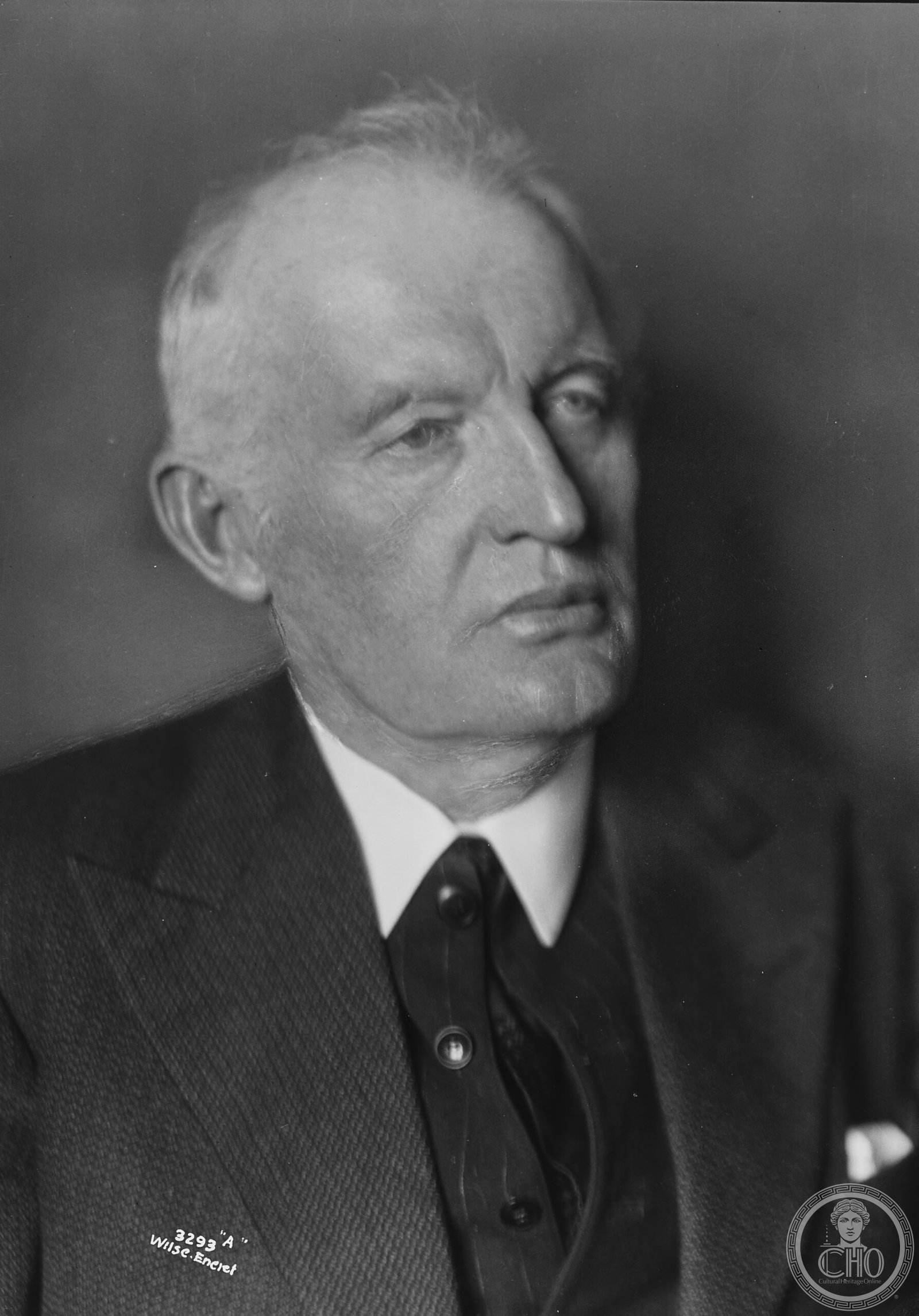
Edvard Munch Museum — Winter Studio
The Edvard Munch Museum Winter Studio is a heritage site associated with the Norwegian Expressionist painter Edvard Munch, the creator of The Scream and one of the most influential artists in the history of Western art. Munch was known for working across multiple studios and residences throughout his life, and his winter workspaces played a significant role in the development of his mature style during the early 20th century. The site is part of the broader legacy managed through the Munch Museum network in Norway.
At a glance
- Type
- Artist’s studio / heritage site
- Period
- Early 20th century
- Style
- Norwegian vernacular / working studio
- Location
- Norway (57.7304° N, 6.9397° E)
Overview
Edvard Munch maintained several studios and properties throughout his working life, using different spaces for different seasons and types of work. The winter studio reflects Munch’s habit of working in natural light conditions that varied dramatically with the Norwegian seasons, a practice that directly influenced his expressive use of colour and form. Sites connected to Munch’s working life are considered significant cultural heritage locations in Norway.
History
Edvard Munch lived and worked in Norway for much of his adult life after returning from Europe in 1909, settling at Ekely in Oslo where he had his principal studio. His winter working arrangements were shaped by the desire for natural light and the solitude needed for his intense creative process. Munch bequeathed his entire estate — including studios, artworks, and personal effects — to the city of Oslo upon his death in 1944, forming the basis of the Munch Museum collection.
What you see
A winter studio associated with Munch typically reflects the sparse, functional character of his working environments: large windows for natural northern light, easels, and the accumulated materials of a prolific career. Munch’s studios were famously informal, with canvases often left outdoors in what he called his open-air cure — his unconventional approach to conservation. Visitors to Munch heritage sites encounter the physical conditions in which some of the 20th century’s most emotionally powerful paintings were created.
Cultural significance
Edvard Munch is Norway’s most internationally recognised artist, and sites connected to his life and work are central to Norwegian cultural identity. His influence on German Expressionism, Symbolism, and the broader trajectory of modern art makes his studios and residences heritage sites of global importance.
Practical information
- Location
- Norway (57.7304° N, 6.9397° E)
- Hours
- Check official Munch Museum website for current access information
- Website
- munchmuseet.no
- Coordinates
- 57.7304° N, 6.9397° E
Getting there
For the main Munch Museum in Oslo (MUNCH), located in Bjørvika, take the T-bane to Bjørvika station or tram line 13 to Operaen. For heritage sites associated with Munch outside Oslo, check local transport connections. The Munch Museum website provides directions to all affiliated sites.
Sources & resources
Find it on the map
See this place and what’s around it →📷 Diventa un fotografo di Cultural Heritage Online
Condividi le tue foto dei luoghi: restano pubblicate con la tua firma come autore. Più vengono viste, più ti fai conoscere — e presto un concorso premierà le foto più apprezzate.
Accedi o registrati gratis per aggiungere una foto