
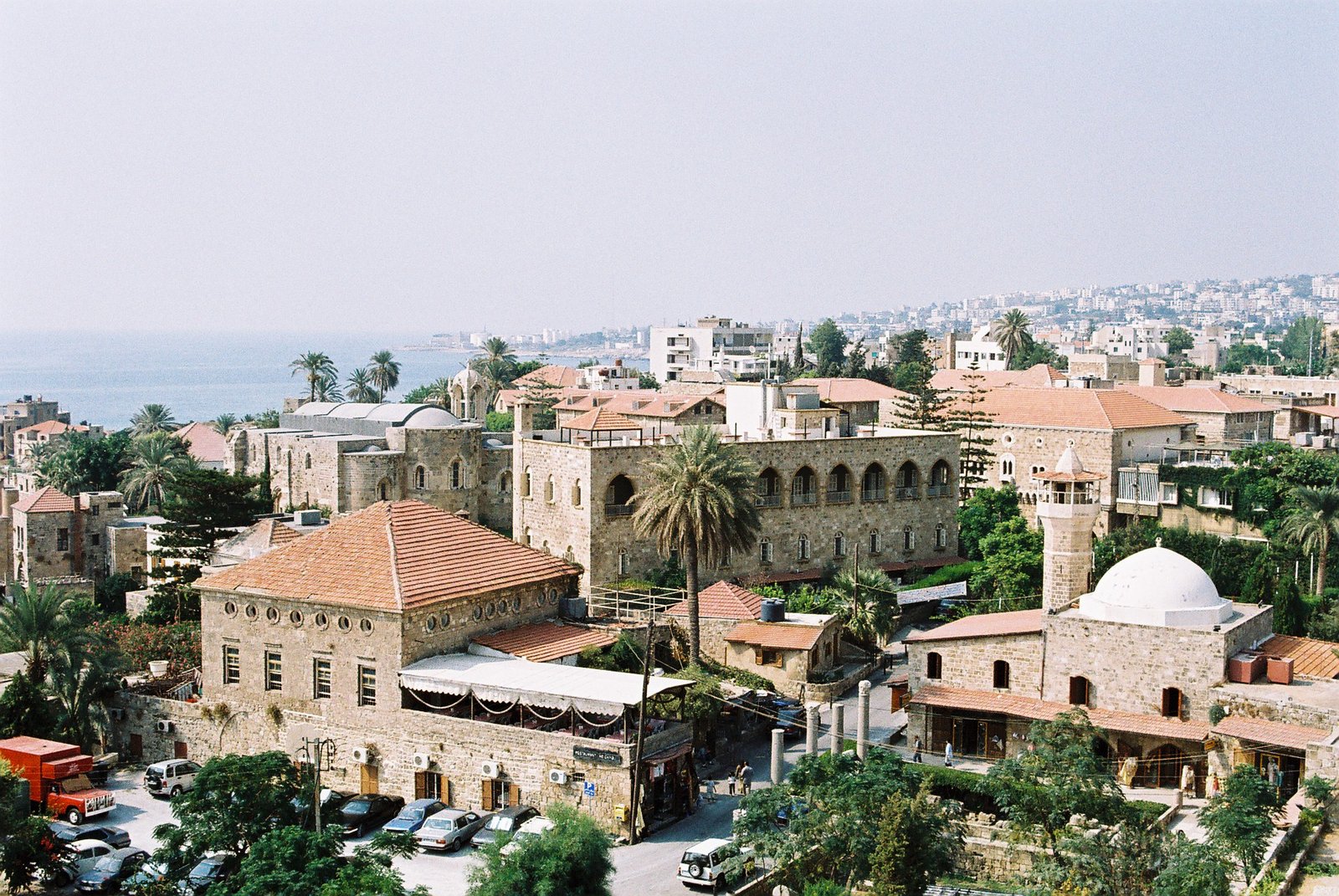
Byblos: The City That Gave Us the Alphabet
Continuously inhabited for roughly 9,000 years, Byblos is among the oldest cities on earth — a Phoenician port where the word “Bible” was born and the alphabet took its first recognisable form.
At a Glance
Byblos (modern Jbeil) stands on a limestone headland above the Mediterranean, 37 km north of Beirut. Its Neolithic layers reach back to c. 7000 BC; its Phoenician, Persian, Hellenistic, Roman, Arab, and Crusader strata pile on top like the pages of the very book its name inspired. The English word Bible derives from the Greek Byblos, the name ancient Greeks gave to the city because it was their primary source of Egyptian papyrus scrolls. UNESCO designated the site a World Heritage Site in 1984.
History
Neolithic fishing communities settled here by 7000 BC, drawn by fresh water and the sheltered bay. By the Early Bronze Age (c. 3000 BC) Byblos was already the pre-eminent timber port of the ancient Near East, exporting Lebanese cedar to Egypt for the construction of pharaonic ships and temple roofs. Egypt’s grip on the city was so strong that its ruins contain one of the largest concentrations of Egyptian obelisks outside Egypt itself. The city later rose as a Phoenician city-state, sending its merchants and alphabet across the Mediterranean world.
French archaeologist Pierre Montet opened the first systematic excavations in 1921–1924, uncovering royal tombs and temple precincts. Maurice Dunand continued the work from 1925 to 1975, gradually exposing ten successive levels of occupation — a stratigraphic record unmatched in the Levant.
The Phoenician Alphabet and the Sarcophagus of Ahiram
The most important single object from Byblos is the Sarcophagus of King Ahiram (c. 1000 BC), now in the National Museum of Beirut. Its carved lid carries one of the earliest known inscriptions in the Phoenician alphabetic script — the direct ancestor of Greek, Latin, Arabic, and ultimately every modern Western and Middle Eastern alphabet. The inscription, a royal warning curse, is only twenty-four words long, yet its letters are unmistakably the forerunners of the characters used today. Walking through Byblos means walking in the city where the written word as we know it was standardised.
What You See
The active archaeological park occupies the heart of a living medieval city. The Crusader Castle (12th century) dominates the skyline and was built largely from blocks recycled from Phoenician and Roman temples — a palimpsest in stone. Below the castle walls, the Temple of Baalat Gebal (c. 2700 BC, dedicated to the city’s patron goddess) and the Temple of the Obelisks rise from the ground, the latter bristling with votive obelisks of varying sizes. The Roman colonnade street, the Crusader church of Saint John the Baptist, and the medieval souk complete a concentrated tableau that spans six millennia in a ten-minute walk.
The Living City Around the Ruins
Unlike many ancient sites isolated behind fences, Byblos is embedded within a vibrant fishing port. Cafés and craft workshops occupy medieval buildings leaning against Roman columns. The harbour, used continuously since the Bronze Age, still shelters wooden fishing boats. In the morning light, with the scent of sea salt and coffee drifting over the Crusader ramparts, the layering of time feels tangible rather than academic.
UNESCO and Conservation
Byblos was one of the first Lebanese sites inscribed on the UNESCO World Heritage List (1984). The designation covers the archaeological zone and parts of the medieval old city. Conservation challenges include urban encroachment, the risk of illegal excavations in the surrounding area, and the ongoing fragility of exposed Bronze Age mudbrick structures. The Lebanese Directorate General of Antiquities oversees the site.
Practical Information
Byblos is 37 km north of Beirut on the coastal highway. Shared taxis (servees) and buses run regularly from Cola transport hub in Beirut (journey c. 45 minutes). The archaeological park is open daily; a modest entrance fee applies. The adjacent souk and harbour are freely accessible. The National Museum of Beirut holds the key finds including the Ahiram sarcophagus; combining both visits in one day is recommended.
Sources & Resources
- UNESCO World Heritage Centre — Byblos
- Wikipedia: Byblos
- Maurice Dunand, Fouilles de Byblos, Volumes I–VI (1937–1973)
- National Museum of Beirut — Ahiram Sarcophagus collection
Find it on the map
See this place and what’s around it →📷 Diventa un fotografo di Cultural Heritage Online
Condividi le tue foto dei luoghi: restano pubblicate con la tua firma come autore. Più vengono viste, più ti fai conoscere — e presto un concorso premierà le foto più apprezzate.
Accedi o registrati gratis per aggiungere una foto