
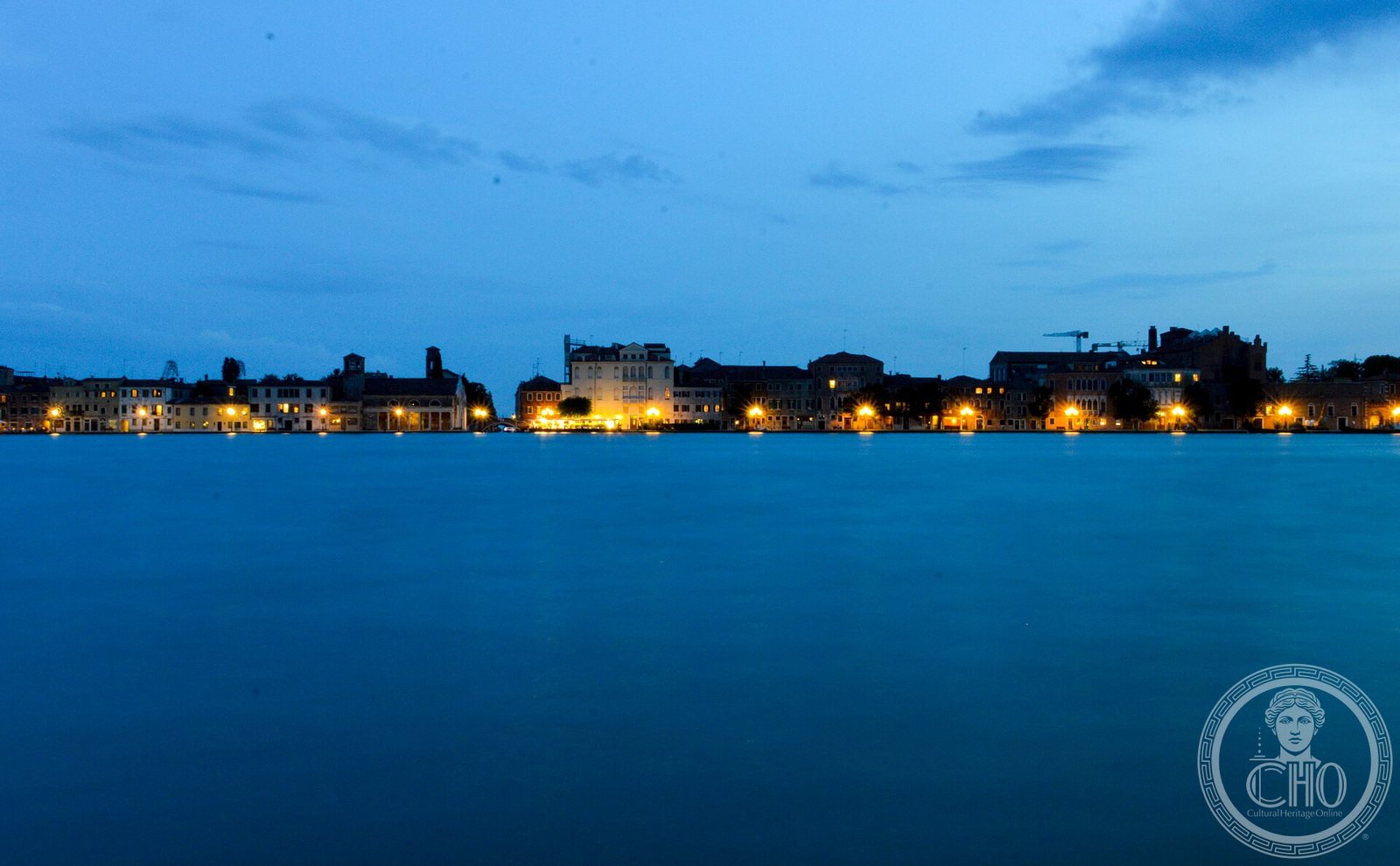
Bacaro Osteria da MORO
Bacaro Osteria da MORO is a traditional Venetian wine bar and osteria in the historic centre of Venice, offering the classic bacaro experience: a compact counter laden with cicheti — small plates of seasoned salt cod, marinated vegetables, hard-boiled eggs, and polpette — served alongside local wines by the glass. Like all authentic bacari, da MORO is rooted in the centuries-old Venetian tradition of the ombra di vino, a quick glass of wine shared standing at the bar between meals.
At a glance
- Type
- Bacaro (traditional Venetian wine bar and osteria)
- Period
- Venetian bacaro tradition dating to the 15th century
- Style
- Local neighbourhood bar with cicheti counter
- Location
- Historic centre of Venice, Veneto, Italy
- Coordinates
- 45.4269° N, 12.3244° E
Overview
Venice’s bacari are as much a part of the city’s cultural fabric as its canals and Gothic palazzi. These neighbourhood wine bars, descendants of 15th-century taverne, sustain a daily ritual of sociability that has resisted the pressures of mass tourism and the homogenisation of Italian food culture. Da MORO exemplifies the genre: unpretentious, counter-focused, and anchored in the seasonal and regional larder of the Veneto.
The bacaro format centres on cicheti — bite-sized snacks displayed on the counter and priced individually — paired with an ombra, a small pour of local white or red. The wines typically come from the Veneto DOC appellations: Soave, Valpolicella, Prosecco, and Pinot Grigio from the Friuli border. The counter ritual is unhurried despite its brevity; locals return two or three times a day.
Bacaro culture is recognised by food historians as a living expression of Venetian intangible heritage, distinct from the broader Italian aperitivo tradition in its emphasis on the standing bar, the individual cicheto rather than shared boards, and the brief social window between late morning and early afternoon.
History
The word bacaro likely derives from Bacco (Bacchus), reflecting the wine-centred vocation of these establishments. By the 16th century, Venice had hundreds of taverne and mescite regulated by the Serenissima, which controlled wine prices and the hours of operation to maintain public order. After the fall of the Republic in 1797, the bacaro persisted as a neighbourhood institution, especially in the working-class sestieri of Castello, Cannaregio, and Santa Croce.
The postwar decades saw many bacari close as the economy shifted and younger Venetians adopted the bar espresso model. A revival began in the 1990s and gathered pace after 2010, partly driven by food tourists seeking authentic local eating and partly by a younger generation of Venetians reclaiming the tradition. Neighbourhood bacari such as da MORO represent the continuity end of this spectrum: places that never closed and never rebranded.
The osteria designation — added to many bacari — signals that simple hot dishes are also available at table, extending the function beyond the standing-bar snack to a light lunch.
What you see
A typical bacaro counter in Venice is a narrow wooden or zinc surface lined with shallow trays and small plates. At da MORO the display rotates through the morning and midday service: baccalà mantecato (whipped salt cod with olive oil) on toasted white bread, folpetti (boiled baby octopus), sarde in saòr (sweet-and-sour sardines marinated with onions, raisins, and pine nuts), and polpette di carne (small fried meatballs). Wines are poured from pitchers or directly from a tap or bottle, prices chalked on a small board.
The interior is compact, as befits the genre: a few bar stools or standing ledges, no extensive table service, and a pace of turnover that keeps the atmosphere charged without becoming crowded. Decoration is minimal — perhaps a shelf of Murano glass or a faded map of the lagoon. The emphasis is entirely on the counter and the glass.
Visitors who arrive outside the two main service windows (roughly 10:00–13:00 and 18:00–20:00) will find the trays restocked but the atmosphere less vivid; the bacaro lives in those compressed social hours.
Cultural significance
The bacaro is one of Venice’s most durable cultural exports that has nonetheless resisted export: attempts to replicate the format outside the city rarely capture the spontaneity and the precise social choreography that make it work. Institutions like da MORO are important not as monuments but as living practices — their value lies in daily repetition, in the unbroken chain of suppliers, cooks, and regulars that sustains them.
For cultural heritage practitioners, the bacaro raises the question of how intangible urban food culture is documented and protected. UNESCO’s 2003 Convention on Intangible Cultural Heritage provides a framework, but local food establishments remain outside formal listing. The advocacy for their survival is informal — neighbourhood associations, food writers, and loyal regulars.
Practical information
- Address
- Venice, historic centre (exact address: check Google Maps or local listings for current location)
- Hours
- Typically open morning and early evening; check current hours via Google Maps or local directories
- Admission
- No admission charge; pay per cicheto and per glass
- Phone
- Check official listings for current contact
Getting there
Venice is car-free. From Piazzale Roma (bus/car terminus) or Santa Lucia railway station, the bacaro is reached on foot or by vaporetto (water bus). Line 1 and Line 2 run along the Grand Canal; the nearest stops depend on the precise sestiere location — check the ACTV network map. Water taxis are available from all major landing stages. From Marco Polo Airport, the Alilaguna boat service connects directly to the Cannaregio and San Marco areas.
Sources & resources
Find it on the map
See this place and what’s around it →📷 Diventa un fotografo di Cultural Heritage Online
Condividi le tue foto dei luoghi: restano pubblicate con la tua firma come autore. Più vengono viste, più ti fai conoscere — e presto un concorso premierà le foto più apprezzate.
Accedi o registrati gratis per aggiungere una foto