

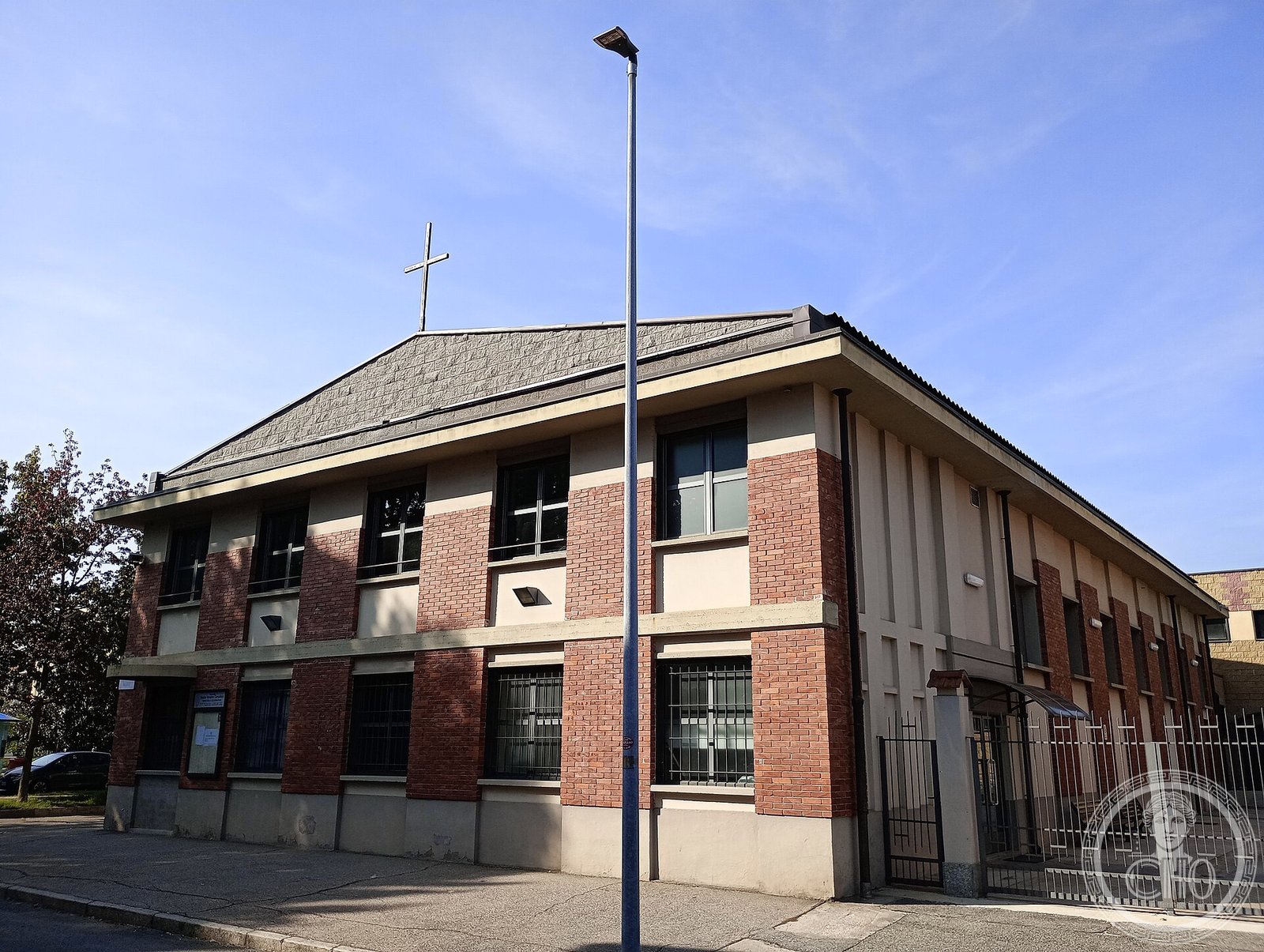
A purpose-built workers’ village in Liberty style, created by Swiss entrepreneur Napoleone Leumann for employees of his cotton mill.
At a glance
This distinctive village at the gates of Turin represents a rare example of 19th-century industrial paternalism in Italy. Designed by architect Pietro Fenoglio, it combines functional housing with refined Art Nouveau aesthetics.
History
Napoleone Leumann, an entrepreneur of Swiss origin, commissioned the village at the end of the 19th century to house workers employed at his cotton mill. The project reflected Leumann’s vision of creating a self-contained community for his workforce. Pietro Fenoglio, a leading figure in Italian Liberty architecture, was entrusted with the design and execution of this ambitious scheme.
What you see
The village showcases consistent Liberty style design across its varied structures. The Church of Santa Elisabetta stands in eclectic style, serving as the spiritual heart of the community. A vintage railway station—the Turin–Rivoli line—operates within the village, reflecting its integration with the broader urban network. The original elementary school and numerous residential buildings in Liberty style remain standing.
Cultural significance
The Leumann village demonstrates how industrial entrepreneurs in Italy’s industrial north invested in workers’ welfare through architecture and urban planning. It represents a transitional moment between 19th-century paternalism and modern urban design, embodying the optimism of the Liberty movement.
Key facts
- Address: Corso Francia, 345, Collegno
- Coordinates: 45.0715513, 7.5619259
- Phone: 347 3596056
- Website: http://www.villaggioleumann.it/
Practical information
Opening hours and admission details are available through the official website or by telephone. The village remains partially residential and active.
Getting there
The village is located in Collegno, a municipality in the Turin metropolitan area, and is accessible via the Turin–Rivoli railway line that passes through the site. By car, take the roads leading to Corso Francia.
See the place
Sources & resources
Find it on the map
See this place and what’s around it →📷 Become a Cultural Heritage Online photographer
Share your photos of places: they stay published under your name as the author. The more they're seen, the more you get noticed — and soon a contest will reward the most appreciated photos.
Log in or sign up free to add a photoIs this page about you?
This page is read by travellers and heritage enthusiasts who find it on Google. Tell us how you are connected to this place and we will take it from there.