
Acropolis of Athens
The Acropolis of Athens is an ancient citadel perched on a rocky outcrop rising 156 metres above sea level in the heart of modern Athens, containing the ruins of several ancient buildings of extraordinary architectural and historical significance. The most celebrated monument on the hill is the Parthenon, a Doric temple dedicated to the goddess Athena, completed in 432 BC under the direction of the sculptor Pheidias during the golden age of Pericles. Designated a UNESCO World Heritage Site in 1987, the Acropolis is the supreme symbol of Classical Greek civilisation and one of the most visited archaeological sites in the world.
- Type
- Ancient citadel; UNESCO World Heritage Site
- Period
- Inhabited from the Neolithic; major Classical monuments built 460–406 BC
- Style
- Classical Greek (Doric and Ionic orders)
- Location
- Acropolis, Athens 105 58, Greece
- Coordinates
- 37.9716° N, 23.7247° E
Overview
The word “acropolis” means “high city” in Greek, and Athens’ hilltop citadel has been continuously occupied since the Neolithic period, serving over millennia as a royal residence, a religious sanctuary, a Byzantine church, and an Ottoman fortress before becoming an archaeological park. Four principal monuments survive on the plateau: the Parthenon, the Erechtheion with its celebrated Porch of the Caryatids, the small Temple of Athena Nike, and the monumental gateway known as the Propylaea. The Acropolis Museum at the foot of the hill, opened in 2009, houses the finest surviving sculptures and friezes from the site.
History
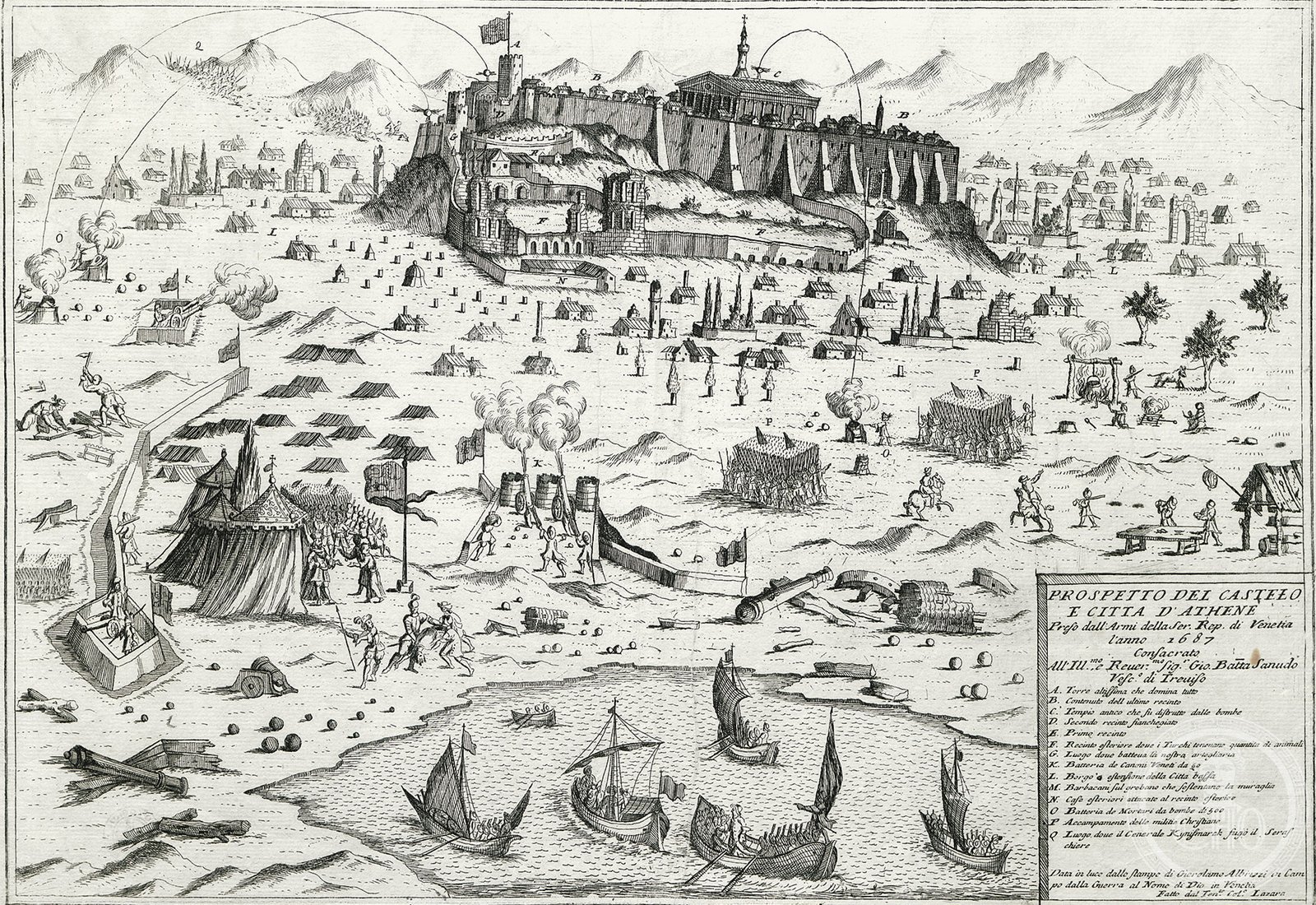
Bronze Age Mycenaeans were the first to fortify the rock, around the 13th century BC, and subsequent Archaic-period rulers expanded the sanctuary in the 7th and 6th centuries. The Persian sack of Athens in 480 BC destroyed the earlier temples, spurring the Athenians under Pericles to rebuild the sacred precinct in gleaming Pentelic marble beginning in 447 BC; the Parthenon was consecrated in 438 BC and the Erechtheion completed in 406 BC. During Byzantine rule the Parthenon became a church of the Virgin Mary, and under Ottoman occupation it served as a mosque; a Venetian bombardment in 1687 caused a devastating explosion that largely destroyed the Parthenon’s interior.
What you see
Ascending through the Propylaea, the gateway complex rebuilt in 437–432 BC, visitors arrive on the plateau where the Parthenon’s colonnade of 46 outer Doric columns — still largely standing — frames panoramic views across modern Athens toward the sea. The Erechtheion to the north preserves the famous Porch of the Caryatids (now replicas; originals in the Acropolis Museum), while the compact Temple of Athena Nike stands sentinel at the south-western bastion. Ongoing restoration work, conducted with meticulous archaeological rigour since 1975, is visible throughout the site.
Cultural significance
The Acropolis has been the single most influential monument in Western architectural history: the Parthenon’s proportional system, sculptural programme, and use of optical refinements have shaped temple, church, and civic architecture from Rome to Washington. As the emblem of democracy’s birthplace, it carries a political resonance that makes it a universal symbol of human achievement, recognised by UNESCO as an outstanding universal value for humanity.
Practical information
- Address
- Acropolis, Athens 105 58, Greece
- Opening hours
- Open daily; hours vary by season — check the official Hellenic Ministry of Culture website
- Admission
- Charged; combined ticket available with other major Athens archaeological sites
- Acropolis Museum
- Dionysiou Areopagitou 15, Athens — houses the finest original sculptures from the site
Getting there
The main entrance is on the western slope of the hill, reached on foot through the Plaka neighbourhood. The nearest Metro station is Acropoli (Line 2, red line), a 5-minute walk from the south entrance. Bus routes serving Dionysiou Areopagitou also stop nearby. Taxis and rideshare services drop off at the foot of the hill.
Sources & resources
Find it on the map
See this place and what’s around it →📷 Diventa un fotografo di Cultural Heritage Online
Condividi le tue foto dei luoghi: restano pubblicate con la tua firma come autore. Più vengono viste, più ti fai conoscere — e presto un concorso premierà le foto più apprezzate.
Accedi o registrati gratis per aggiungere una foto