travel

UNESCO Heritage Sites Near Humberstone, Chile

UNESCO Heritage Sites Near Humberstone, Chile

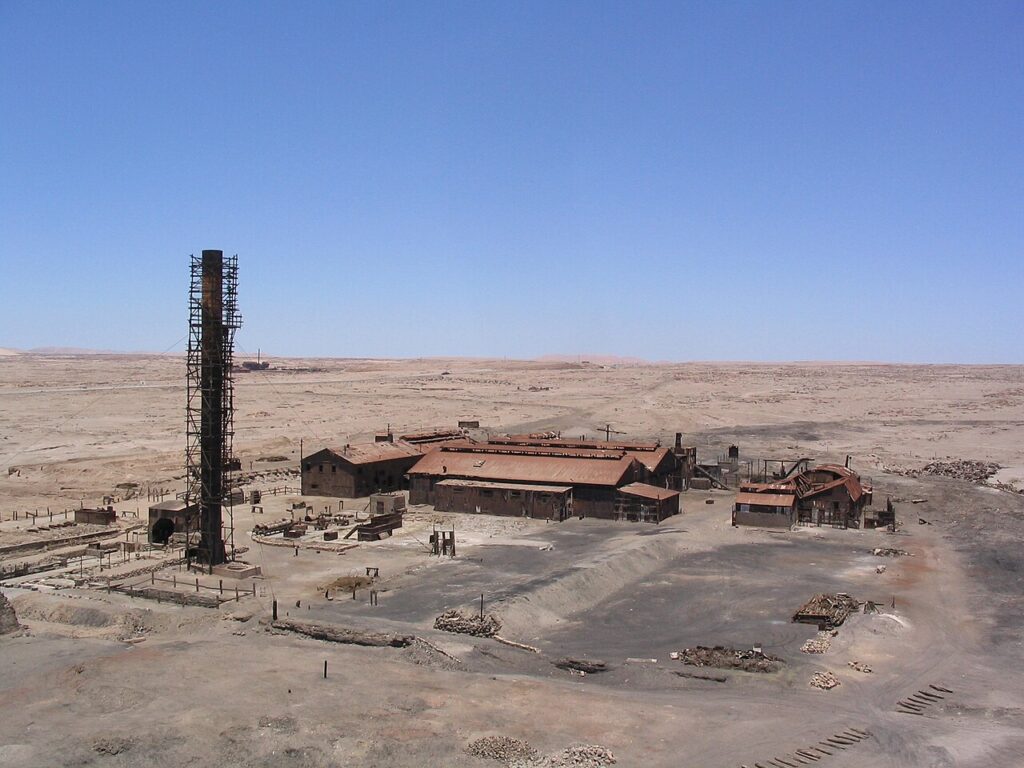
The Humberstone and Santa Laura Saltpeter Works in Chile’s Atacama Desert, UNESCO-inscribed in 2005, are ghost towns left behind by the industry that once supplied global agriculture with nitrogen fertilizer and armed the world’s wars. At its peak around 1910, Humberstone had 3,700 residents, a theatre, and a hotel; its workers were paid in company tokens redeemable only at the company store. The invention of synthetic ammonia in Germany in 1913 made Chilean nitrate obsolete within a generation, ending the boom and leaving the Atacama’s 200-plus industrial plants to the desert.
UNESCO Heritage Sites Near Lamu Old Town, Kenya

UNESCO Heritage Sites Near Lamu Old Town, Kenya

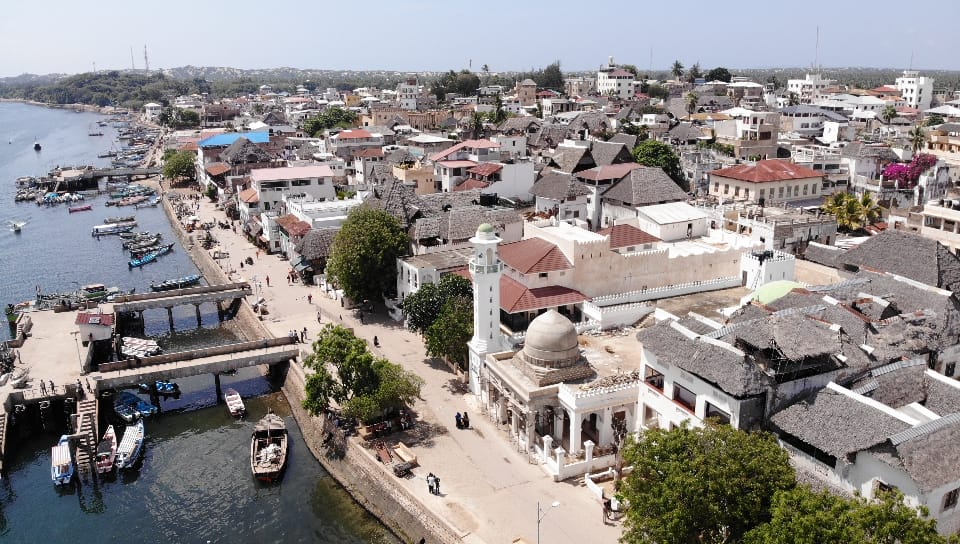
Lamu Old Town, Kenya, is the oldest and best-preserved Swahili settlement in East Africa, continuously inhabited since the fourteenth century and inscribed by UNESCO in 2001. Its medieval urban fabric — coral stone houses with elaborate carved wooden doors and narrow pedestrian lanes — has survived intact because the island has never permitted motorized vehicles. The living culture of Lamu, including its Kiamu dialect of Swahili, its annual Maulidi festival, and its master woodcarving traditions, represents a unique convergence of Bantu African, Arab, Persian and Indian Ocean influences.

UNESCO Heritage Sites Near Head-Smashed-In, Canada

UNESCO Heritage Sites Near Head-Smashed-In, Canada

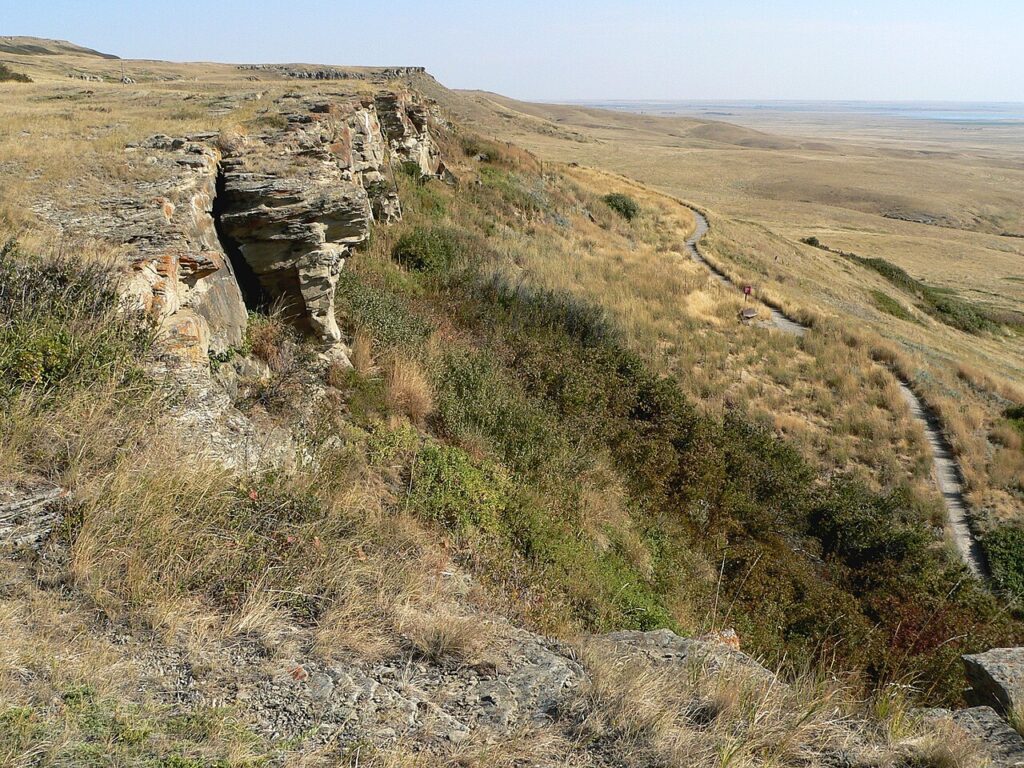
Head-Smashed-In Buffalo Jump near Fort Macleod, Alberta, is the oldest, largest and best-preserved buffalo jump in North America, used continuously for approximately 5,800 years by the Piikani Blackfoot and their ancestors. A 40-square-kilometre system of stone drive lanes converges on a 10-metre sandstone cliff above a 12-metre-deep bone bed containing the remains of at least 123,000 bison. UNESCO inscribed it in 1981; the embedded interpretive centre, opened in 1987, was co-designed with the Piikani Nation.

Bangkok’s Soft Power and Cultural Industries

Bangkok’s Soft Power and Cultural Industries

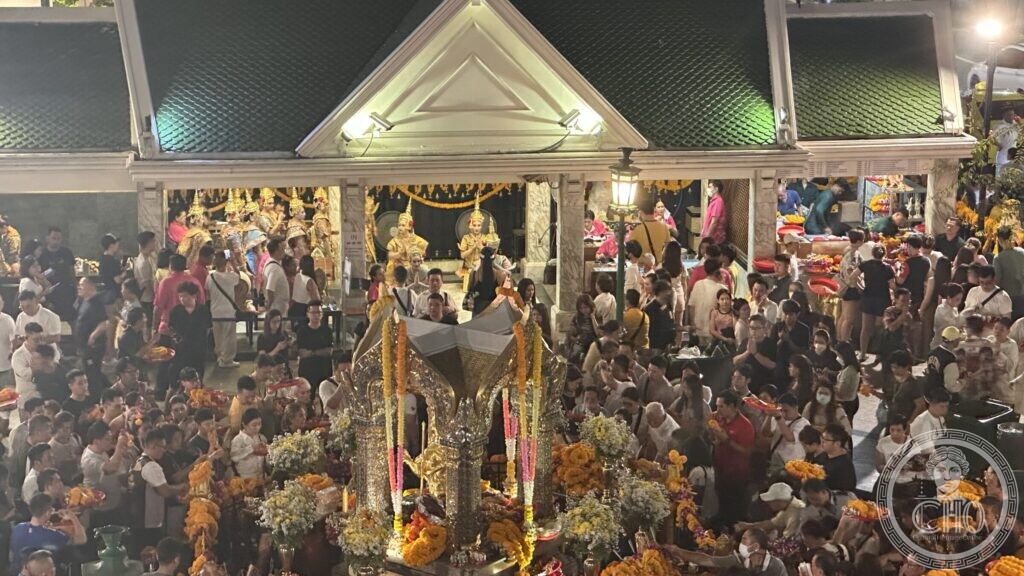
Thailand has put thirteen cultural industries under a national strategy, got its prawn soup onto UNESCO’s intangible heritage list and taken first place in the world for international arrivals. We went looking for what that means at street level — and found two addresses where the cost is legible.

UNESCO Heritage Sites Near Gonbad-e Qabus, Iran

UNESCO Heritage Sites Near Gonbad-e Qabus, Iran

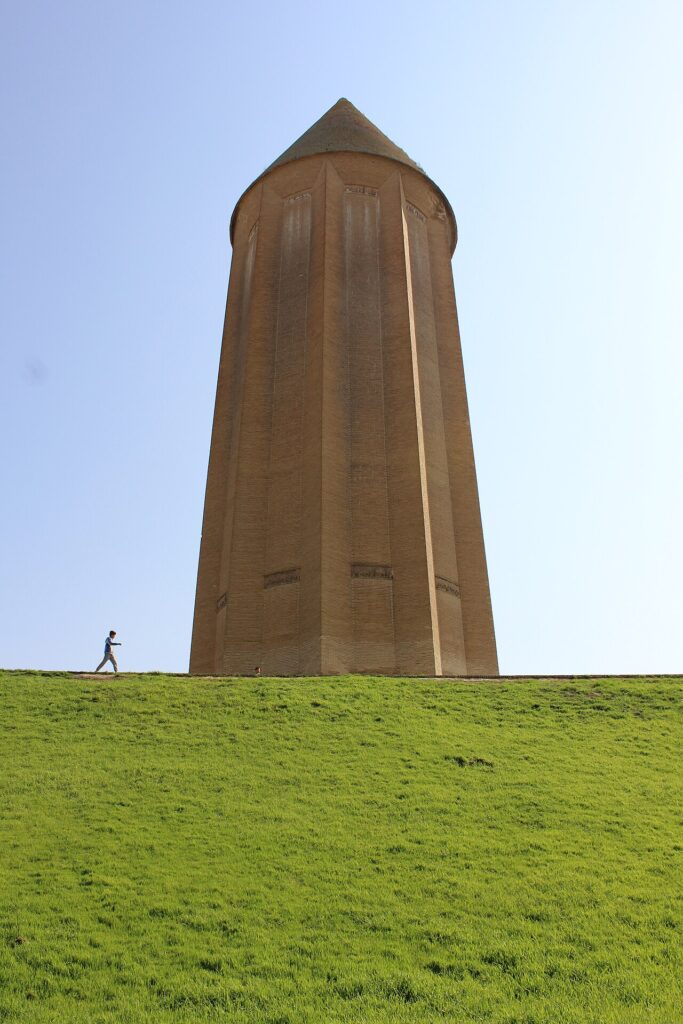
Gonbad-e Qabus is a 72-metre funerary tower built in 1006/1007 CE by the Ziyarid prince Qabus ibn Wushmgir in what is now Gorgan, northeastern Iran — the tallest pre-Mongol monument in Iran and a founding work of the Islamic brick-ornament tradition. The hollow cylinder of ten-buttressed undecorated brick carries only two Kufic inscription bands near its summit, recording the builder’s name and the date in both Solar and Islamic lunar calendars. UNESCO inscribed it in 2012.

UNESCO Heritage Sites Near Tadrart Acacus, Libya

UNESCO Heritage Sites Near Tadrart Acacus, Libya

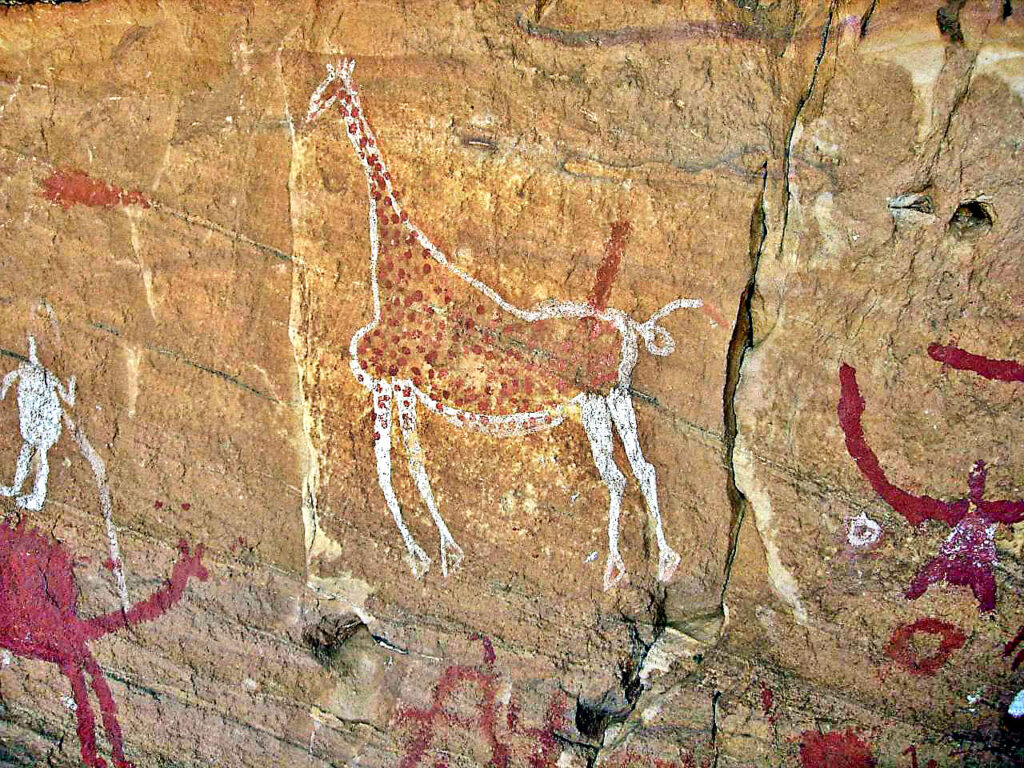
The Tadrart Acacus in southwestern Libya’s Fezzan desert holds thousands of rock paintings spanning approximately 14,000 years, documenting four successive cultural periods from the oldest large-figure art in North Africa through the Green Sahara pastoral era to the camel age. The paintings include hippopotamuses, crocodiles and fish painted on rock faces that today overlook bare desert, providing eyewitness evidence of the Sahara’s past as a habitable landscape. UNESCO inscribed the site in 1985; it has been on the World Heritage in Danger list since 2016 due to Libya’s armed conflict.

UNESCO Heritage Sites Near Rani-ki-Vav, Gujarat

UNESCO Heritage Sites Near Rani-ki-Vav, Gujarat

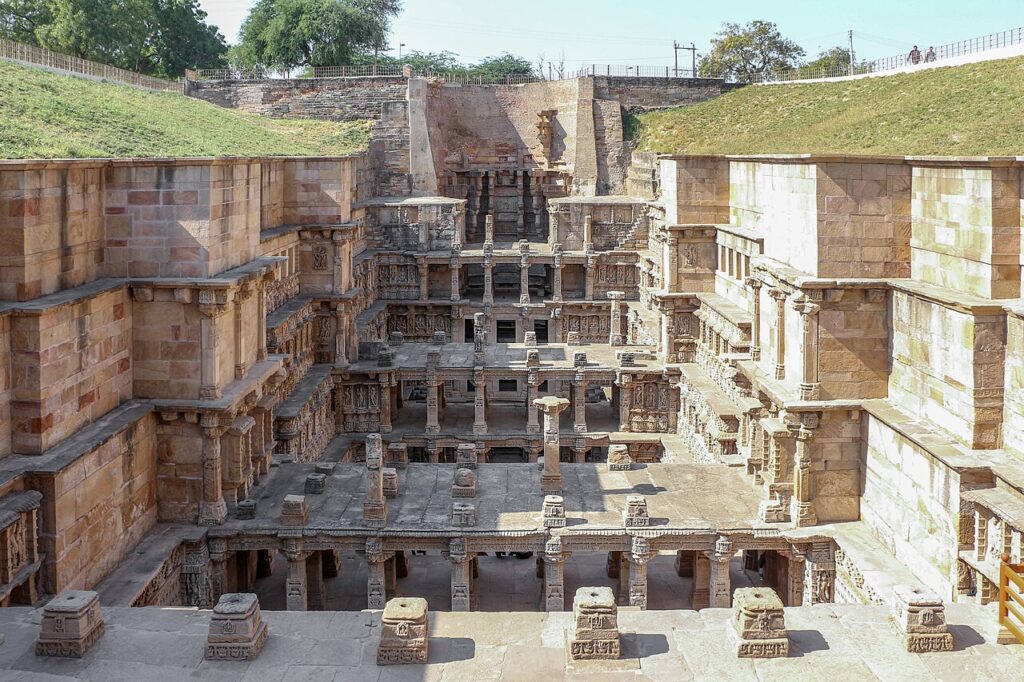
Rani-ki-Vav at Patan, Gujarat, is a 65-metre, seven-level subterranean stepwell built around 1063 CE by Queen Udayamati to commemorate her husband, King Bhimadeva I of the Solanki dynasty. Over 500 large sculptures — primarily Vaishnava avatars and Apsaras — cover its colonnaded galleries, preserved in exceptional detail because the structure was buried under flood silt for several centuries. UNESCO inscribed it in 2014 as the pre-eminent example of stepwell architecture on the Indian subcontinent.

UNESCO Heritage Sites Near Bassari Country, Senegal

UNESCO Heritage Sites Near Bassari Country, Senegal

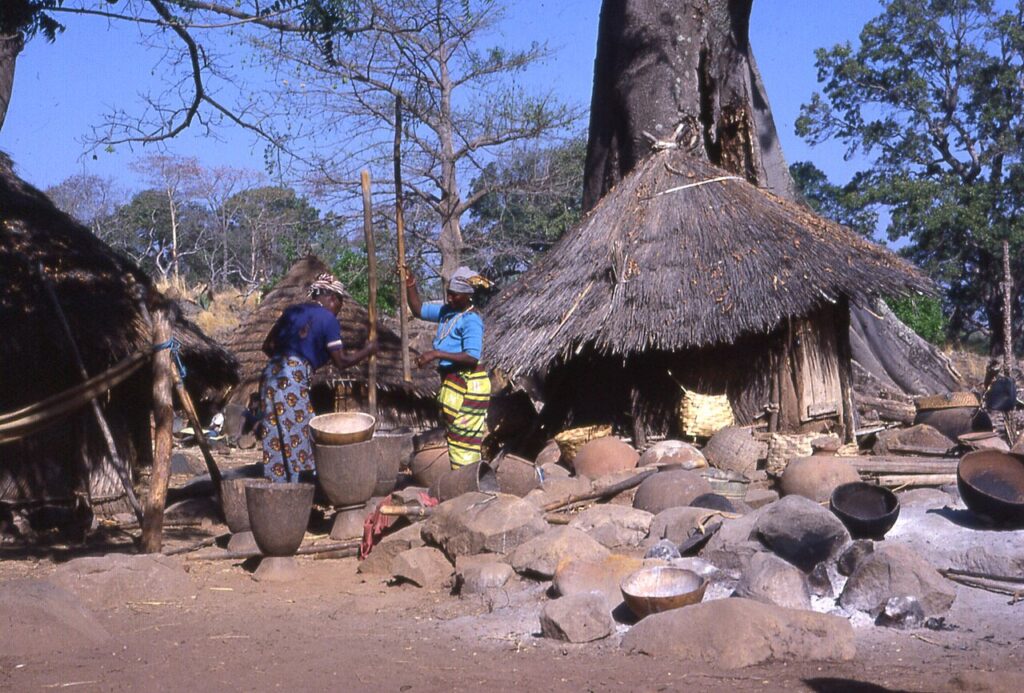
Bassari Country in southeastern Senegal — inscribed by UNESCO in 2012 as a Cultural Landscape — is home to three distinct peoples: the animist Bassari (c. 10,000) and Bedik (c. 3,000), and the Muslim Fula pastoralists, whose coexisting land-use systems and living initiation ceremonies have shaped the same forested hills for centuries. The nearest gateway is Kédougou, 700 km from Dakar, reachable by a weekly Air Senegal flight.

Scroll to Top