travel

UNESCO Heritage Sites Near Ennedi Massif, Chad

UNESCO Heritage Sites Near Ennedi Massif, Chad

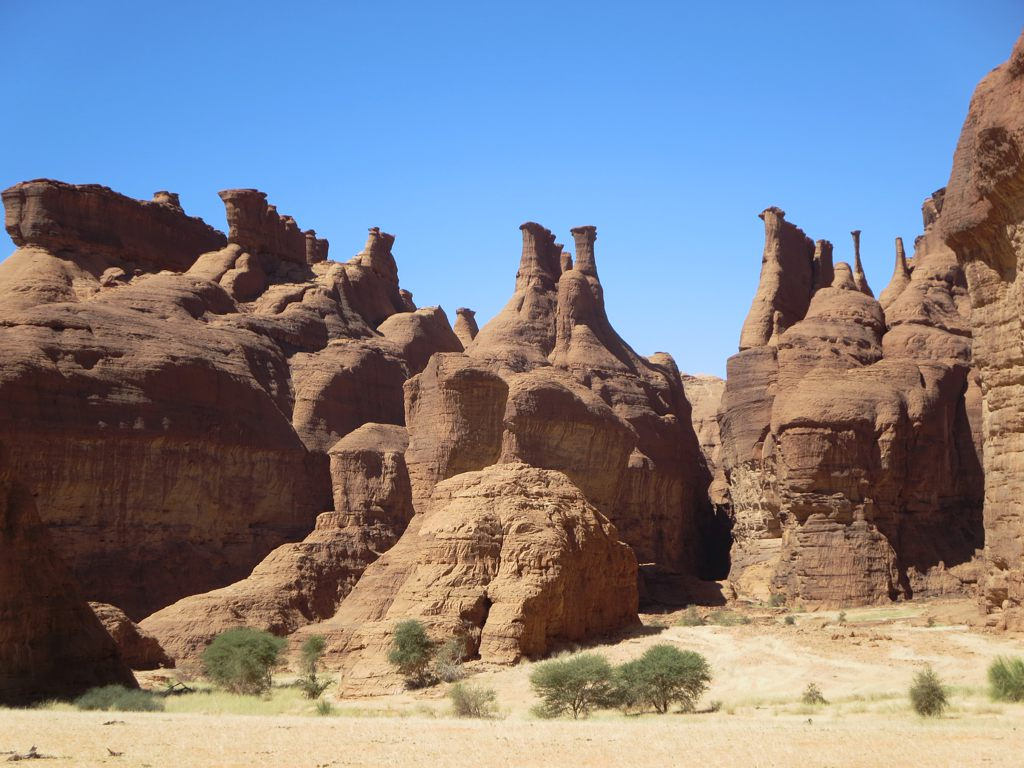
The Ennedi Massif in northeastern Chad, a UNESCO mixed site inscribed in 2016, preserves Carboniferous sandstone eroded into vast gorge systems and natural arches, over 400 rock art sites documenting the transition from the Green Sahara to desert across 7,000 years, and the Guelta d’Archei — where the last relict Saharan crocodiles coexist with daily camel gatherings in an isolated spring deep in the desert.
UNESCO Heritage Sites Near Rock Islands of Palau

UNESCO Heritage Sites Near Rock Islands of Palau

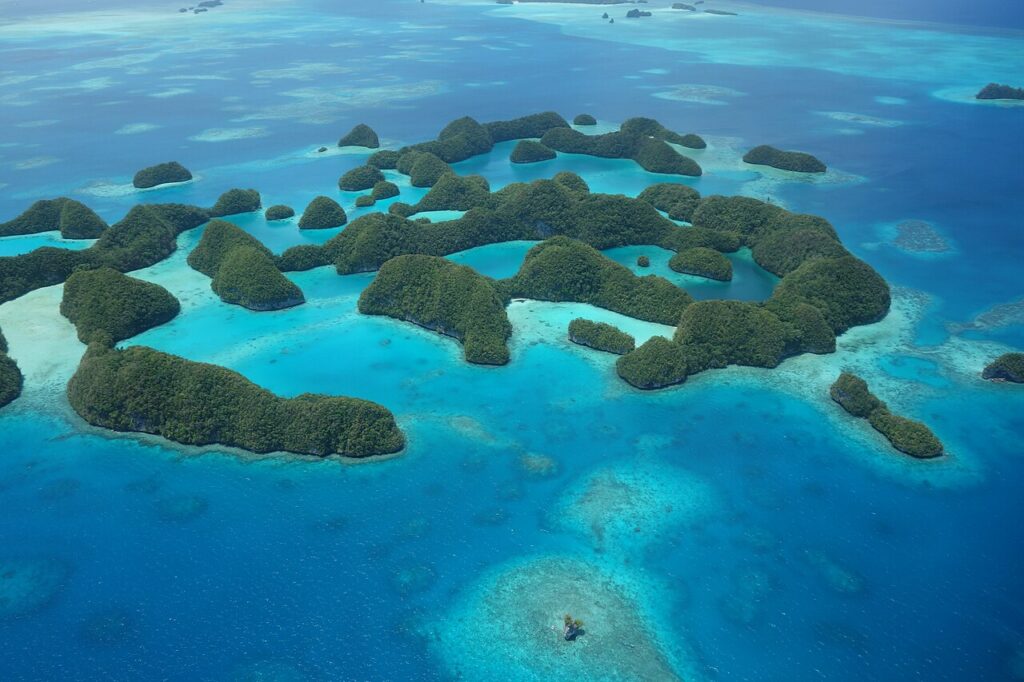
The Rock Islands Southern Lagoon, a UNESCO mixed site in the Republic of Palau, encompasses 445 limestone islands with mushroom-shaped profiles, over 385 coral species, and the extraordinary Jellyfish Lake — where millions of golden jellyfish have evolved to lose their sting. The lagoon also preserves ancient Palauan cultural heritage and dozens of Second World War wrecks in its clear waters.

UNESCO Heritage Sites Near Vladimir and Suzdal, Russia

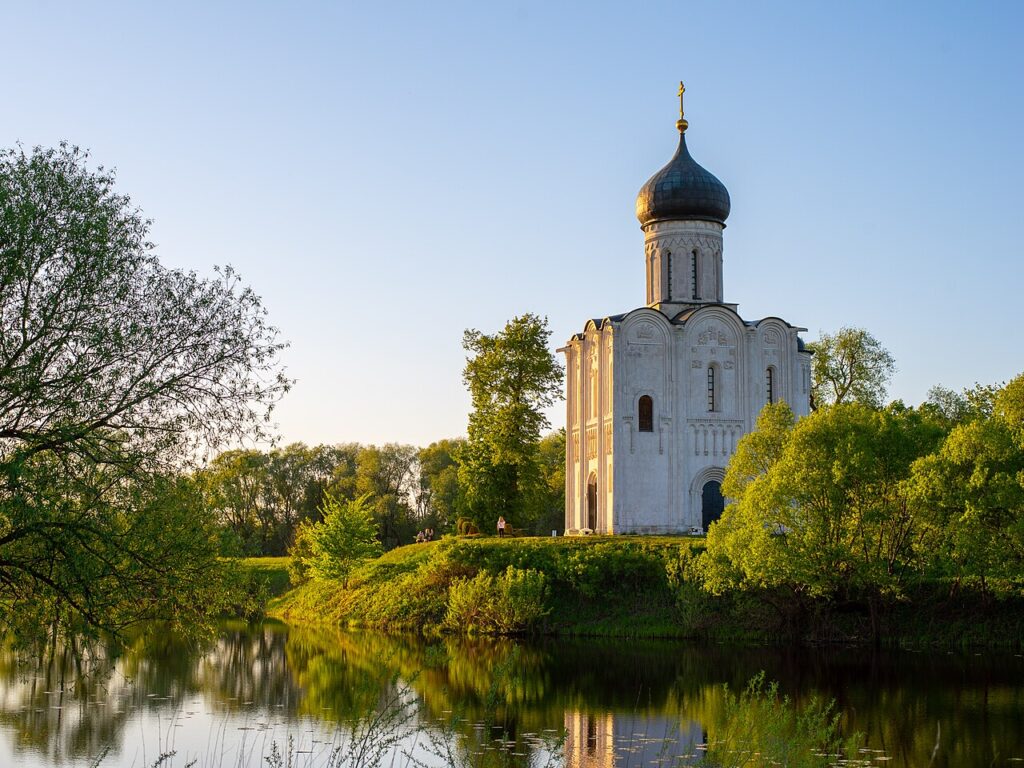
UNESCO Heritage Sites Near Vladimir and Suzdal, Russia

The White Monuments of Vladimir and Suzdal, UNESCO-inscribed in 1992, preserve the 12th–13th century limestone architecture of the Vladimir-Suzdal principality — the dominant Russian state before the Mongol invasion. Two hours by express train from Moscow, the ensemble includes the Cathedral of the Assumption (prototype for Moscow’s Kremlin cathedral), the ornament-encrusted Cathedral of St Dmitry, and the solitary Church of the Intercession on the Nerl, widely regarded as the most perfect work of medieval Russian architecture.

UNESCO Heritage Sites Near Elephanta Caves, India

UNESCO Heritage Sites Near Elephanta Caves, India

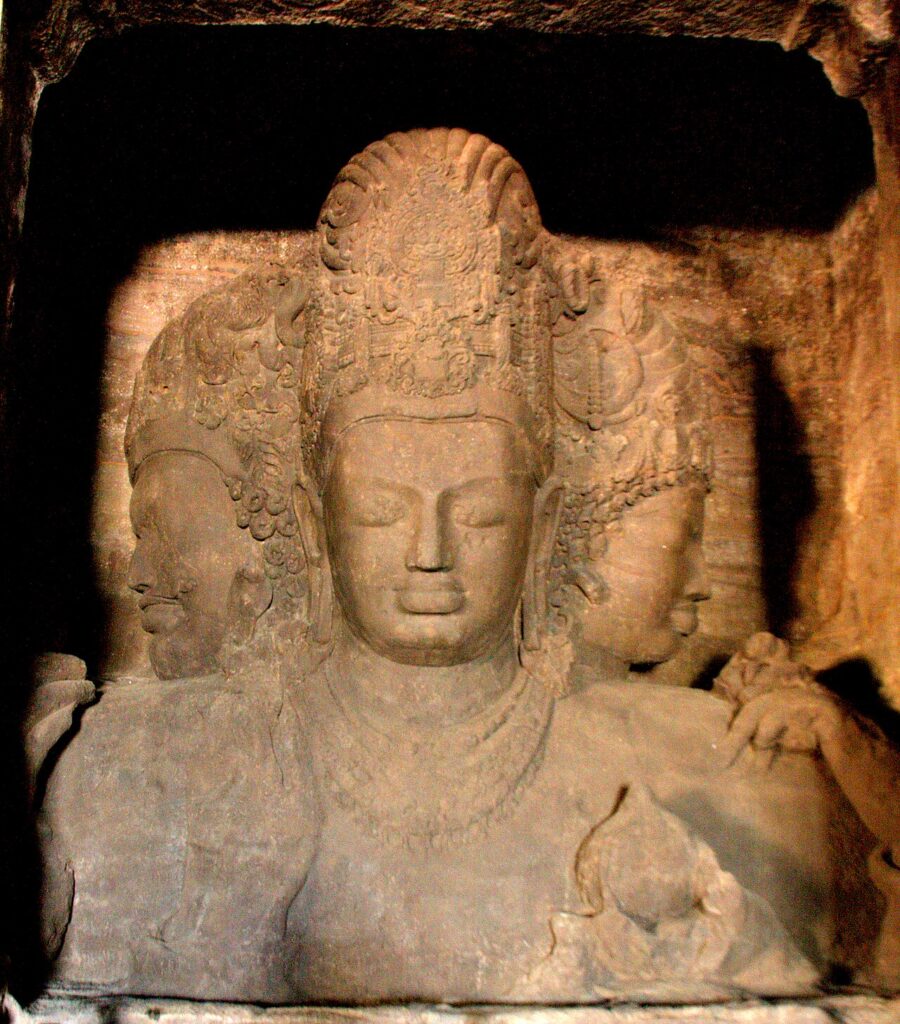
Elephanta Caves on Gharapuri Island in Mumbai Harbour preserve some of the finest Shaiva rock-cut sculpture in India, carved between the fifth and eighth centuries CE. The monumental Trimurti panel — a 6.6-metre three-headed image of Shiva — survived Portuguese occupation and remains one of the supreme achievements of early medieval Indian art. The caves are reached by a 65-minute ferry from the Gateway of India.

UNESCO Heritage Sites Near Ruins of Loropéni, Burkina Faso

UNESCO Heritage Sites Near Ruins of Loropéni, Burkina Faso

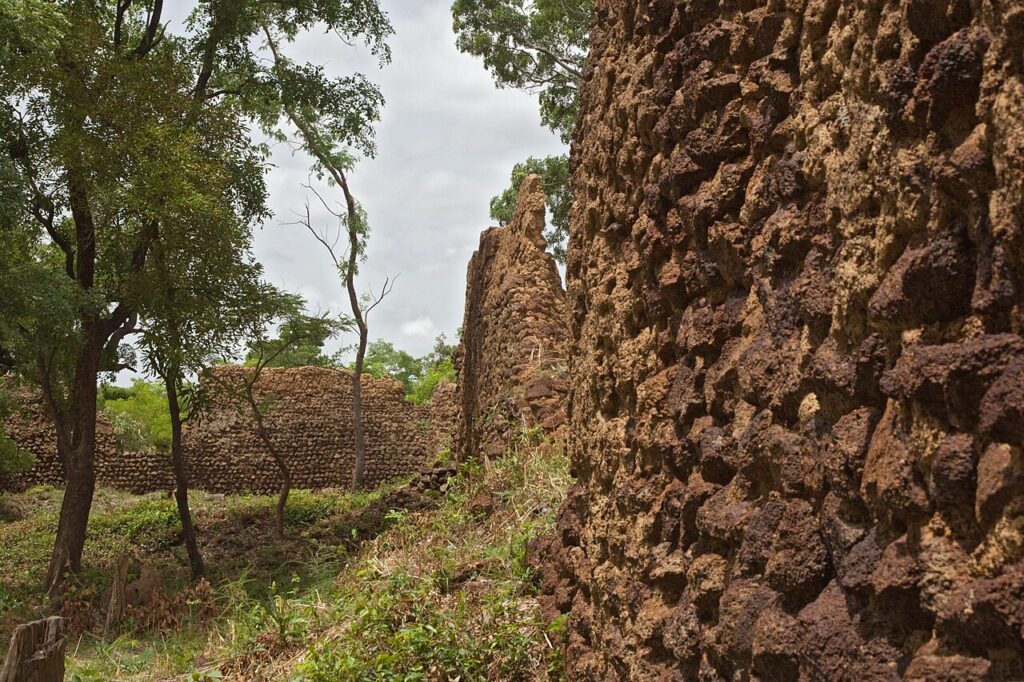
The Ruins of Loropéni in southwestern Burkina Faso are the country’s only UNESCO World Heritage Site and the best-preserved of some 100 laterite stone enclosures built across the Lobi region between 1000 and 1400 CE, likely by communities controlling the trans-Saharan gold trade. The site is currently difficult to access safely due to the ongoing Sahelian security crisis.

UNESCO Heritage Sites Near Matobo Hills, Zimbabwe

UNESCO Heritage Sites Near Matobo Hills, Zimbabwe

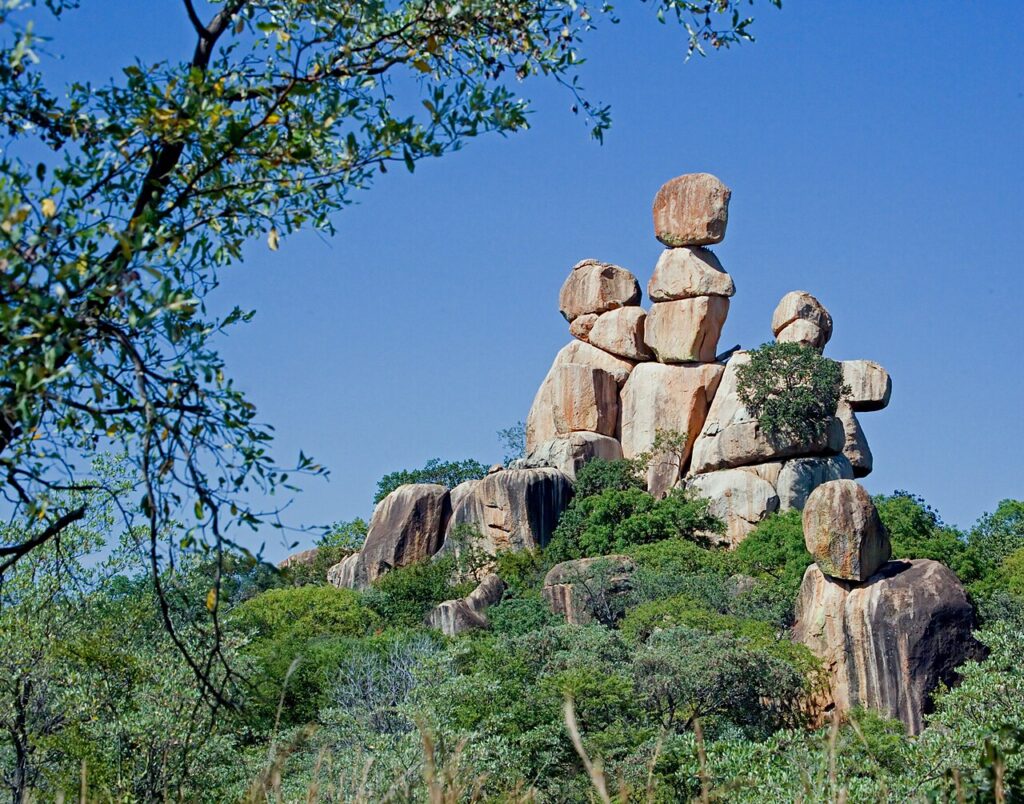
The Matobo Hills, 35 kilometres south of Bulawayo, Zimbabwe, hold over 3,000 San rock art sites spanning 13,000 years, extraordinary concentrations of white rhino, and the graves of both Ndebele king Mzilikazi and Cecil Rhodes. UNESCO-inscribed in 2003 as a mixed cultural and natural site, the landscape embodies the layered and often contested character of southern African heritage.

UNESCO Heritage Sites Near Taos Pueblo, New Mexico

UNESCO Heritage Sites Near Taos Pueblo, New Mexico

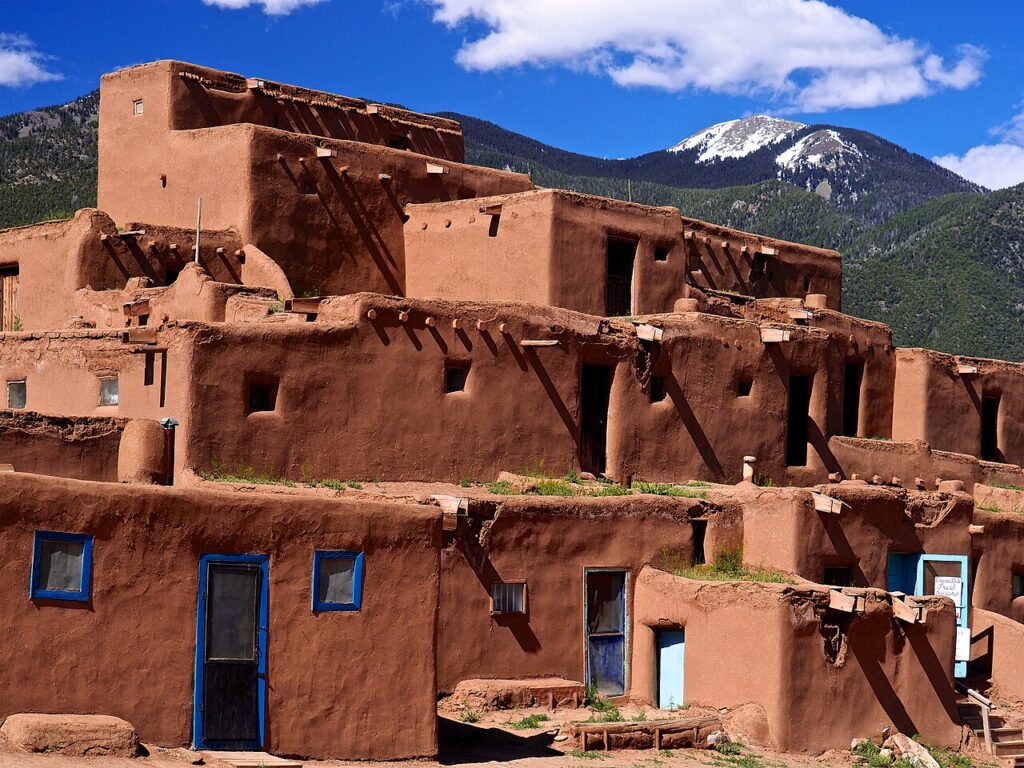
Taos Pueblo in northern New Mexico is the oldest continuously inhabited community in North America, with multi-story adobe buildings occupied for over a thousand years. UNESCO-inscribed in 1992, the Pueblo is the birthplace of the 1680 Pueblo Revolt and the site of a landmark 1970 land-return victory that restored the sacred Blue Lake to the tribe.

UNESCO Heritage Sites Near Ashur, Iraq

UNESCO Heritage Sites Near Ashur, Iraq

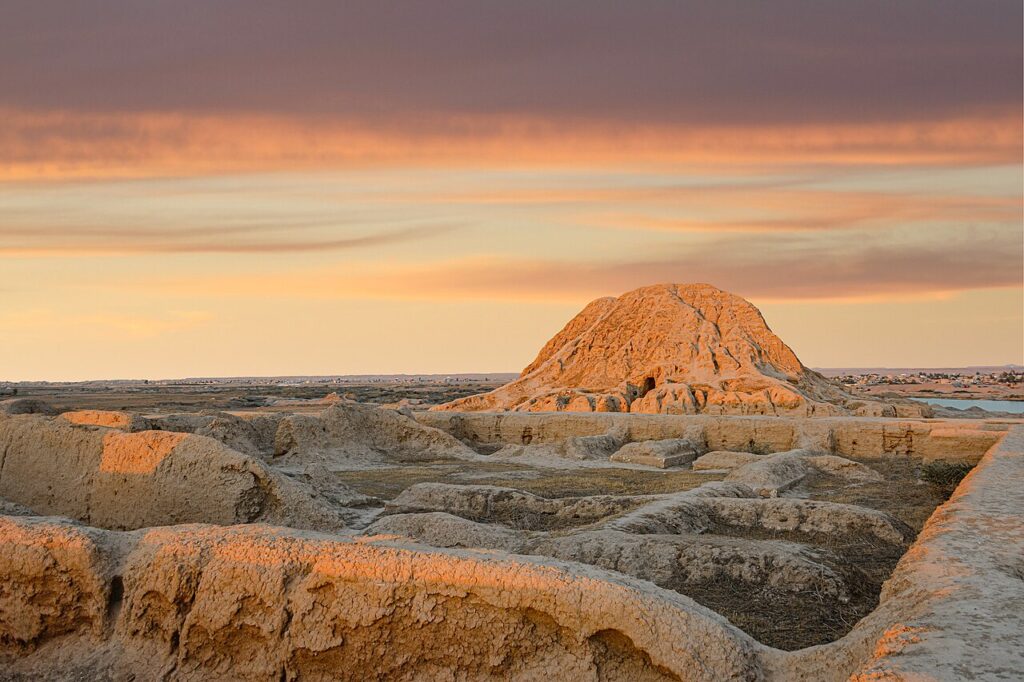
Ashur (Qal’at Sherqat), UNESCO-inscribed in 2003 and continuously on the List of World Heritage in Danger, is the first capital and sacred city of the Assyrian civilization, occupied from approximately 2600 BCE to 614 BCE on the Tigris River in modern Iraq. The city, the supreme Assyrian god, and the Assyrian people all share the same name — a theological identity without parallel in the ancient world. Walter Andrae’s German excavations of 1903–1914 established stratigraphic methods that transformed Near Eastern archaeology; the site faces ongoing threats from a proposed dam, post-2003 looting, and damage during the Islamic State period.

UNESCO Heritage Sites Near Levuka, Fiji

UNESCO Heritage Sites Near Levuka, Fiji

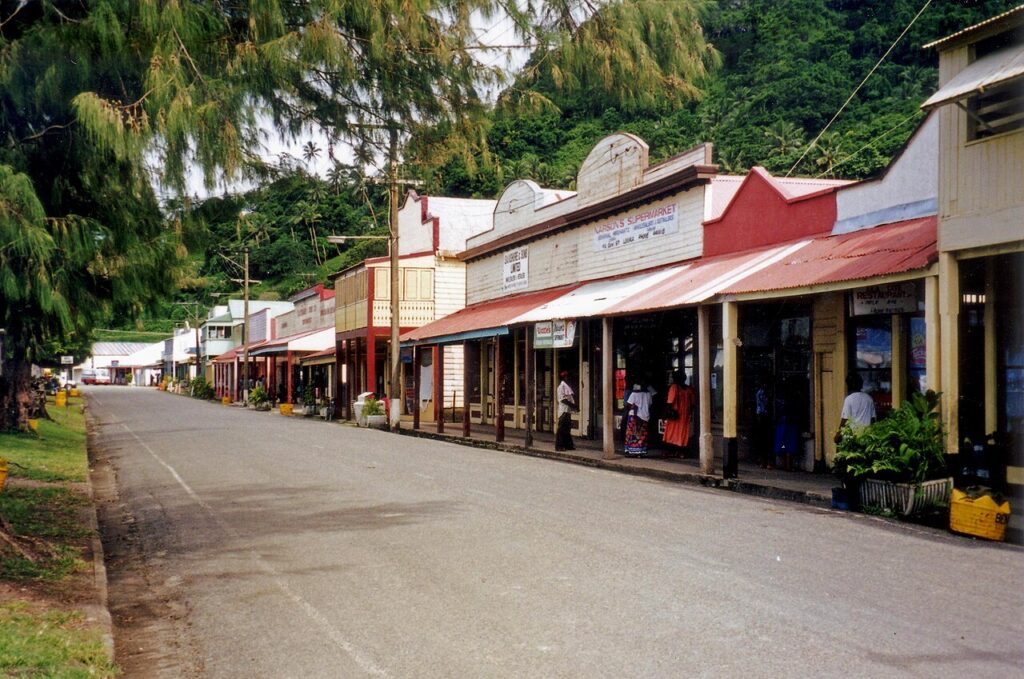
Levuka, on Ovalau Island in Fiji, is the Pacific’s only UNESCO-inscribed historic colonial port town, preserved because its geography — squeezed between a volcanic cliff and the sea — left no room for redevelopment after the capital moved to Suva in 1882. It was here, on 10 October 1874, that paramount chief Ratu Cakobau signed the Deed of Cession transferring Fiji to the British Crown. Its nineteenth-century timber buildings, including the oldest church in Fiji (1858) and the 1869 Fiji Times building, survive intact as the record of a pivotal moment in Pacific Island history.

Scroll to Top