
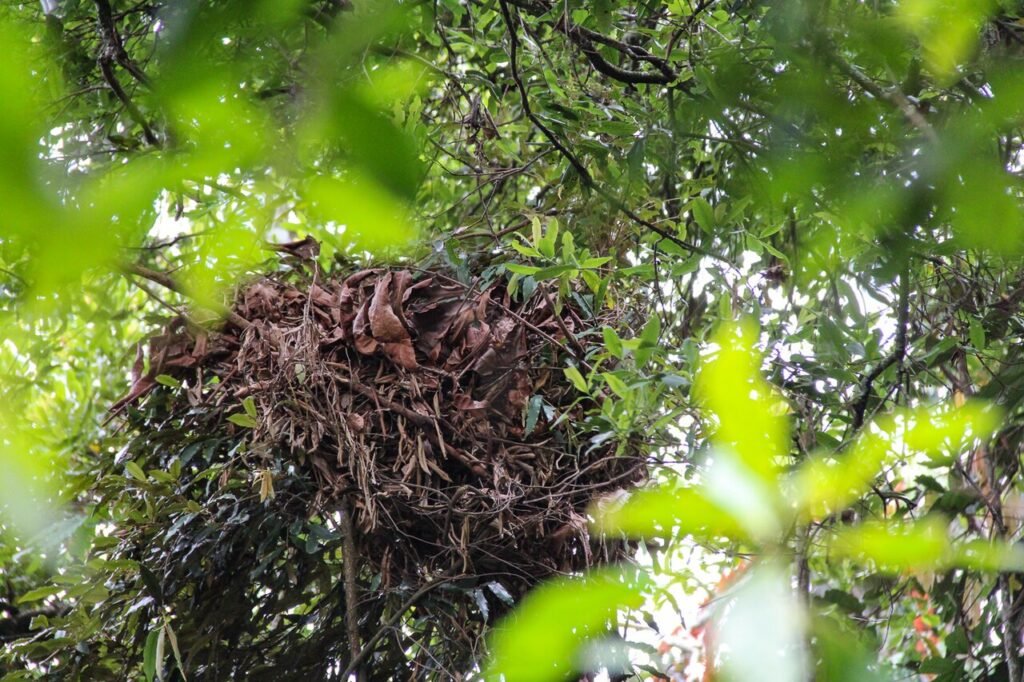
UNESCO Heritage Sites Near Bujumbura, Burundi
Burundi has no UNESCO sites. Nearest: Kahuzi-Biega NP in DRC (200 km northwest, 1980, eastern lowland gorillas) and Nyungwe Forest in Rwanda (200 km northeast, 13 primate species).
Burundi has no UNESCO sites. Nearest: Kahuzi-Biega NP in DRC (200 km northwest, 1980, eastern lowland gorillas) and Nyungwe Forest in Rwanda (200 km northeast, 13 primate species).
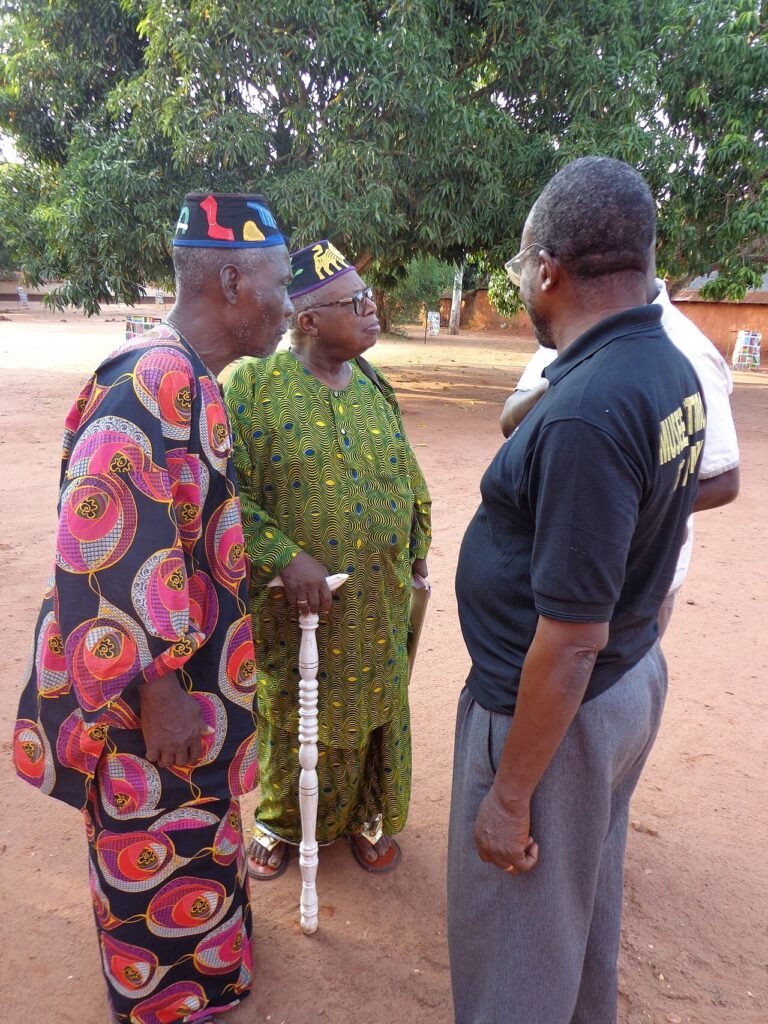
Benin has 2 UNESCO sites near Porto-Novo: Royal Palaces of Abomey (140 km northwest, inscribed 1985) — archive of the Kingdom of Dahomey — and Koutammakou earthen tower-houses (2004).
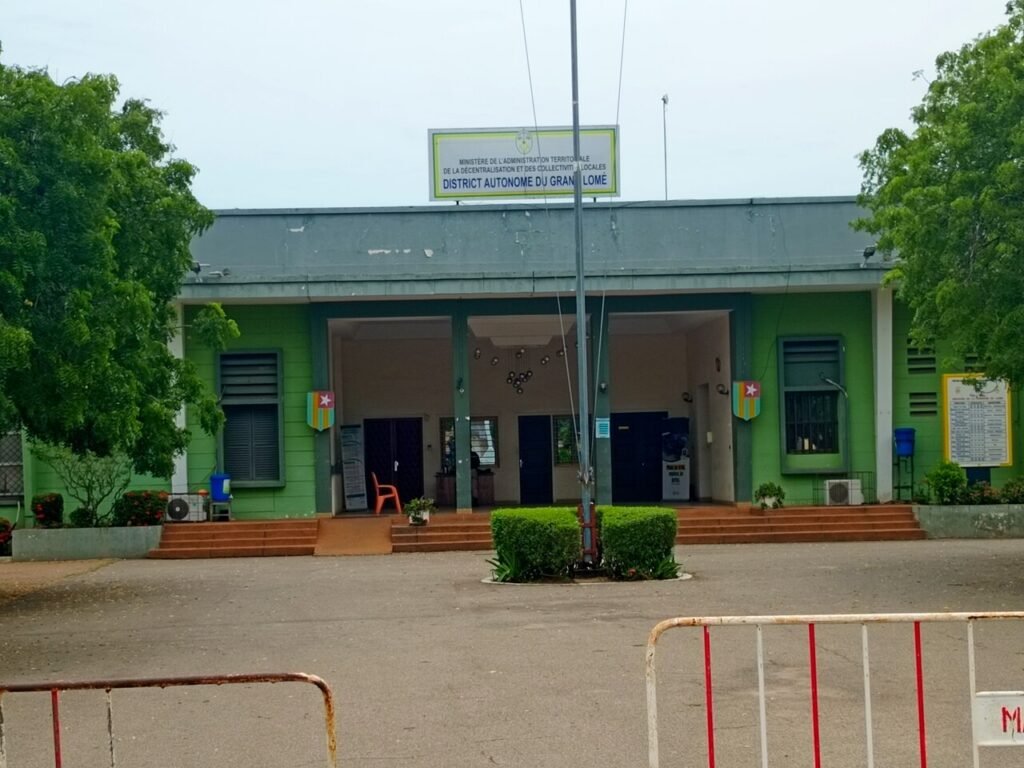
Togo has no UNESCO sites. Nearest: Royal Palaces of Abomey in Benin (140 km east, inscribed 1985) — seat of the Kingdom of Dahomey for 2+ centuries; and the W-Arly-Pendjari wildlife complex (2019).
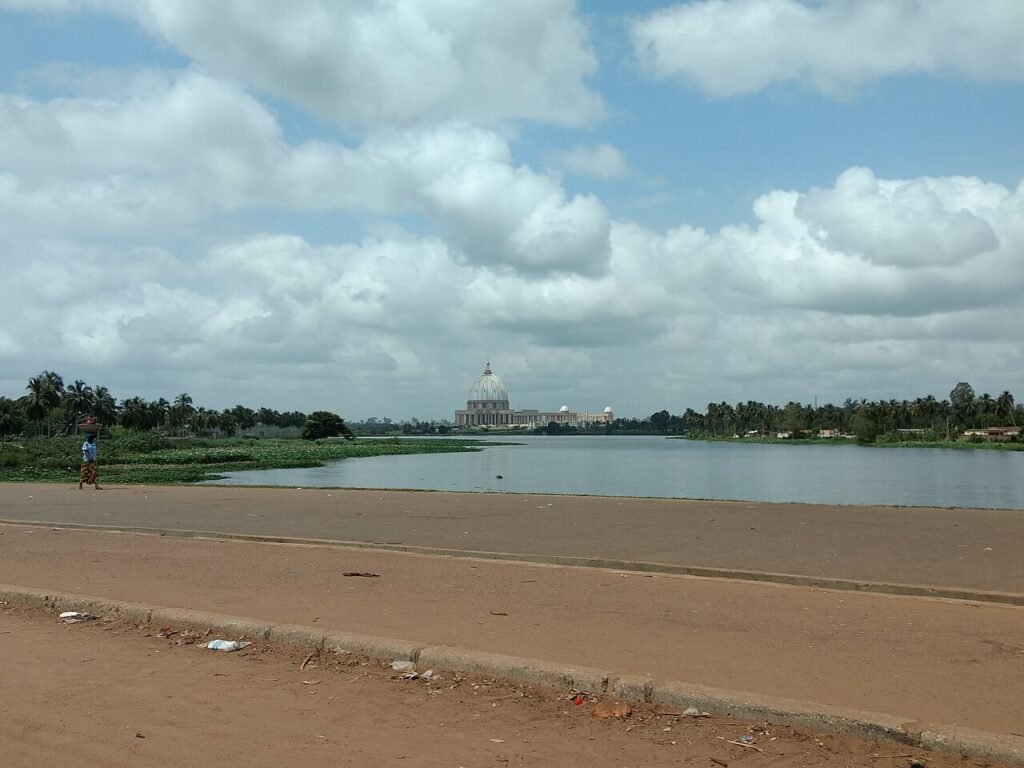
Côte d’Ivoire has 4 UNESCO sites accessible from Yamoussoukro: Comoé NP (500 km NE), Taï NP with West African chimpanzees (450 km SW), and colonial Grand-Bassam (250 km SE).
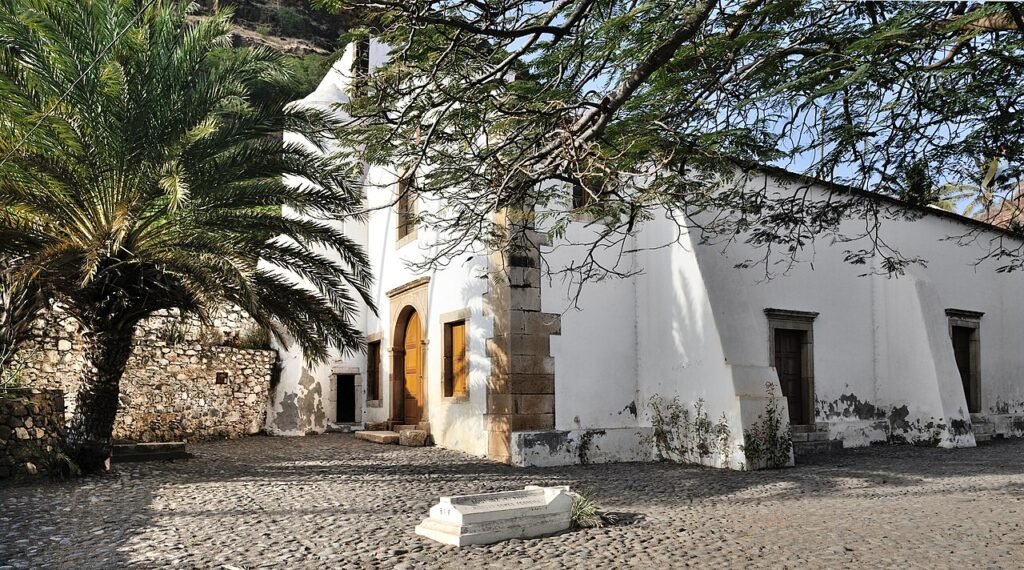
Cape Verde’s only UNESCO site — Cidade Velha, Historic Centre of Ribeira Grande (2009) — is 15 km from Praia and holds the oldest European colonial church in Sub-Saharan Africa and the Pelourinho slave trade monument.
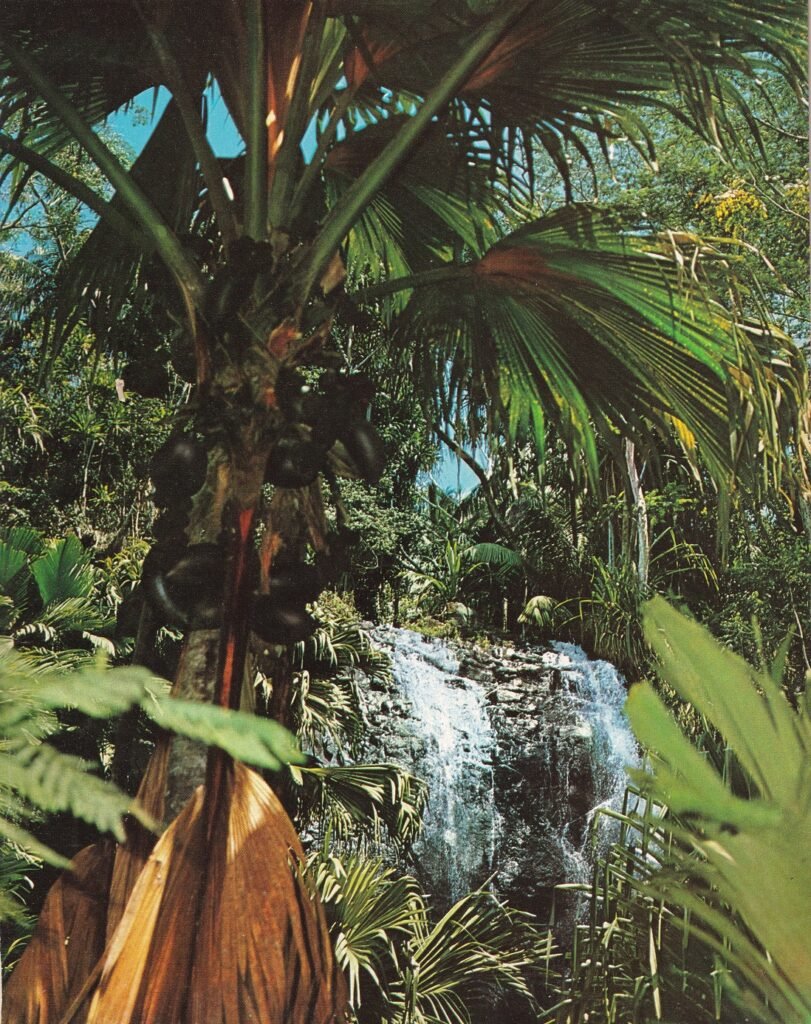
Seychelles has 2 UNESCO sites accessible from Victoria: the Vallée de Mai on Praslin (coco de mer palms, 45 km) and Aldabra Atoll (100,000 giant tortoises, 1,150 km southwest).
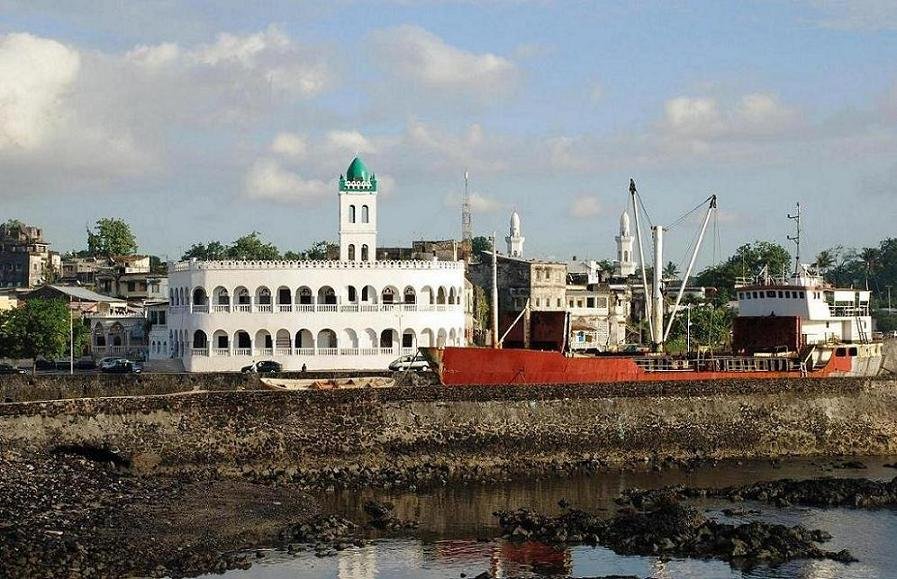
Comoros has no UNESCO sites. The nearest is Aldabra Atoll, Seychelles (1,200 km southeast) — the world’s second largest atoll, home to 100,000 giant tortoises, accessible only by special permit.
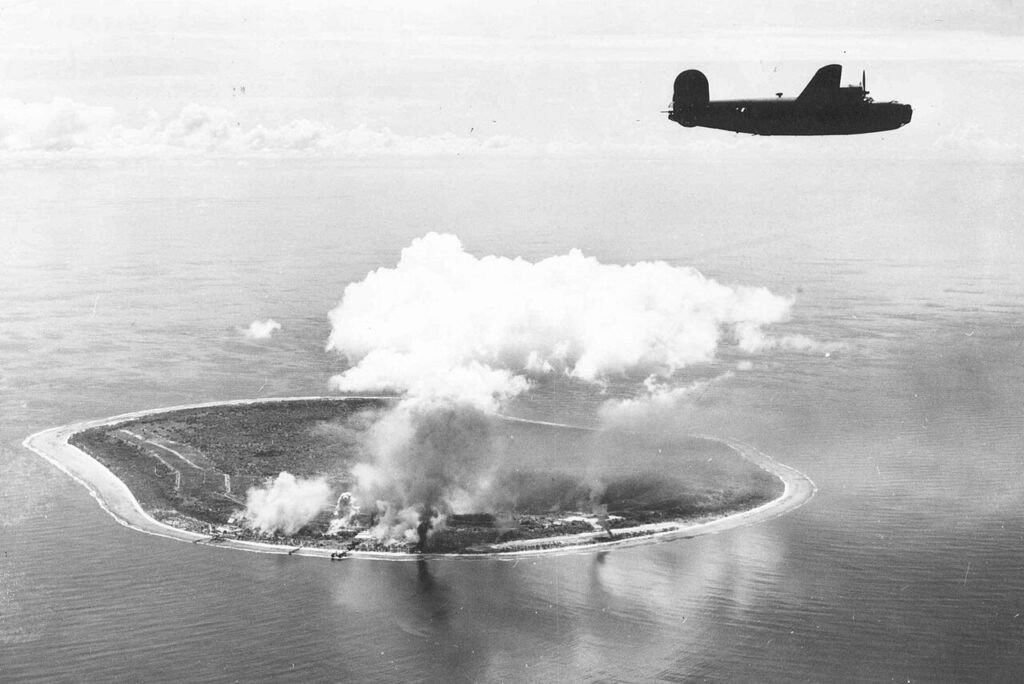
Nauru has no UNESCO sites. The Topside phosphate plateau — where 90 years of extraction left a landscape of coral limestone pinnacles — is the island’s most distinctive heritage feature, 15 min from Yaren.
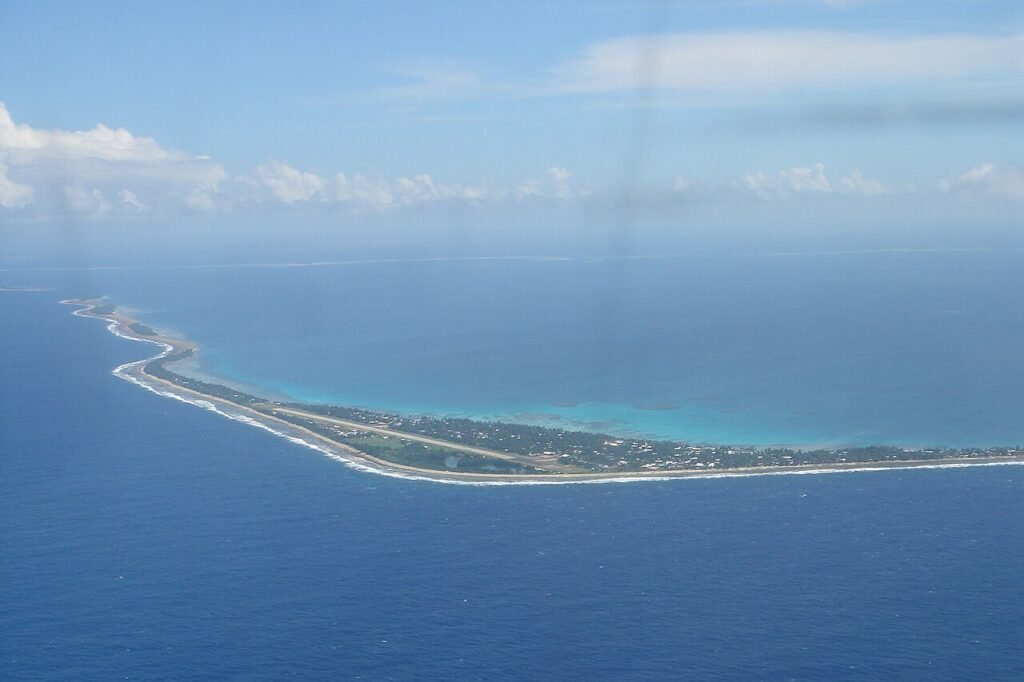
Tuvalu has no UNESCO sites. Funafuti’s Funafuti Conservation Area protects 33 km² of lagoon reef; the atoll, less than 2 metres above sea level, has become a symbol of climate heritage under threat.