Itineraries

UNESCO Heritage Sites Near Mapungubwe, South Africa

UNESCO Heritage Sites Near Mapungubwe, South Africa

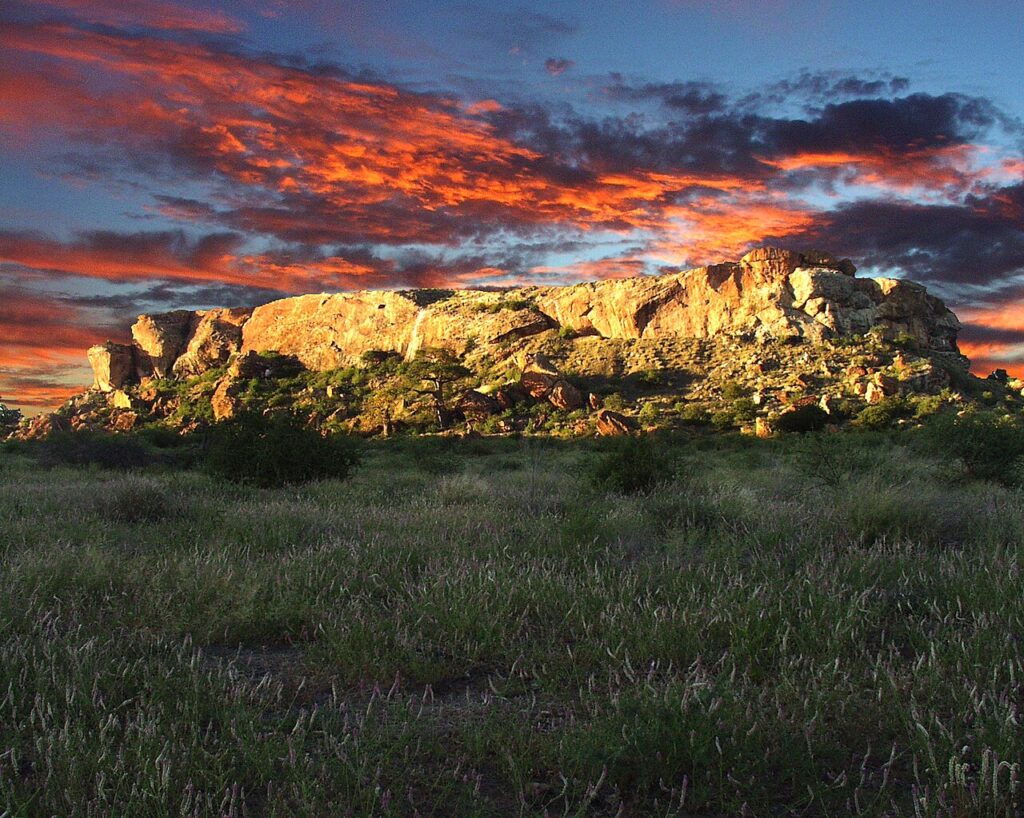
Mapungubwe Cultural Landscape in South Africa’s Limpopo Province preserves the capital of southern Africa’s first hierarchically organized Bantu-speaking kingdom (c. 1000–1290 CE), which grew wealthy controlling the ivory and gold trade to the Indian Ocean. The hilltop royal graves yielded the Golden Rhinoceros — gold foil over carved wood — the earliest evidence of sophisticated gold working in the region. UNESCO inscribed the site in 2003.
UNESCO Heritage Sites Near Kondoa Rock Art, Tanzania

UNESCO Heritage Sites Near Kondoa Rock Art, Tanzania

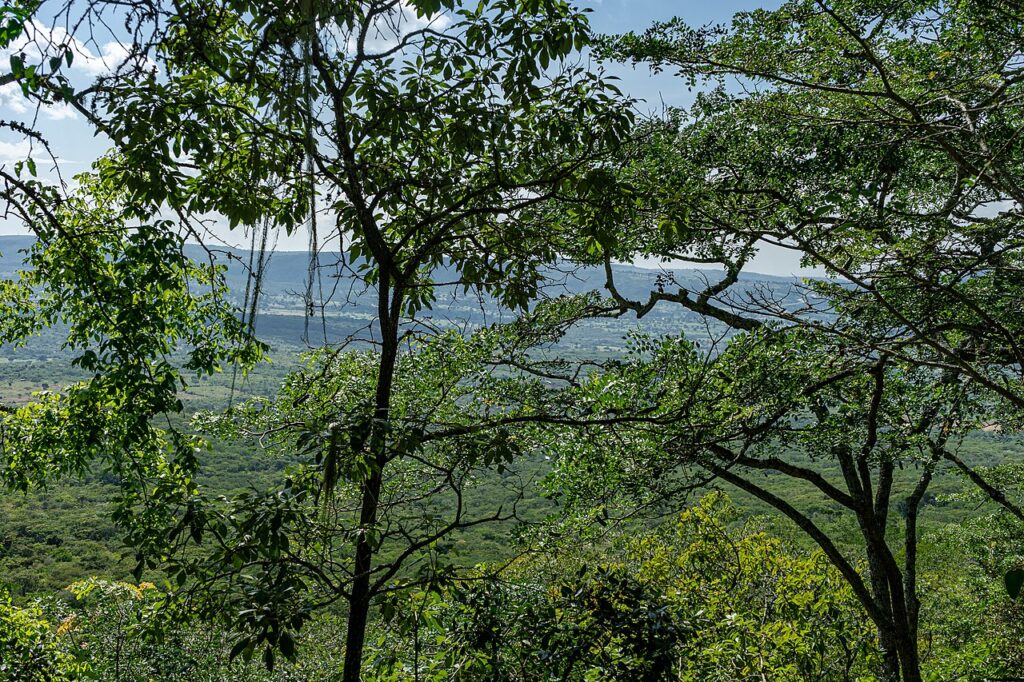
The Kondoa Rock Art Sites in central Tanzania’s Dodoma Region contain more than 150 painted rock shelters spanning at least 19,000 years of continuous artistic tradition, from late Pleistocene hunter-gatherer imagery through Iron Age pastoral scenes. UNESCO inscribed the 2,336 km² landscape in 2006, recognizing both its archaeological depth and its living sacred significance for the Hadza and Sandawe peoples whose ancestors created the paintings.

UNESCO Heritage Sites Near Koutammakou, Togo

UNESCO Heritage Sites Near Koutammakou, Togo

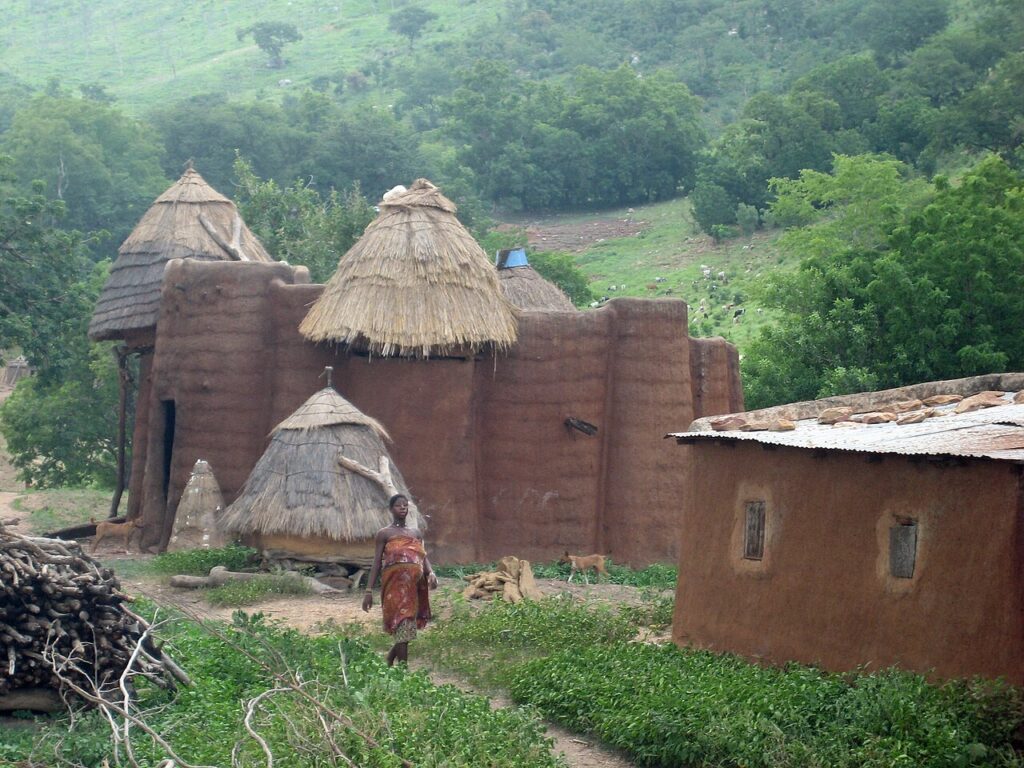
Koutammakou in northeastern Togo is a UNESCO-inscribed living cultural landscape (2004) where the Batammariba people continue to build and inhabit the Takienta — fortified two-storey earthen tower houses designed to represent the human body and resist armed attack. The 50,000-hectare protected area includes not only the architecture but the sacred forests, shrines and animist traditions that give it meaning, making it one of the most complete examples of a living earthen architecture tradition in West Africa.

UNESCO Heritage Sites Near Wadi Al-Hitan, Egypt

UNESCO Heritage Sites Near Wadi Al-Hitan, Egypt

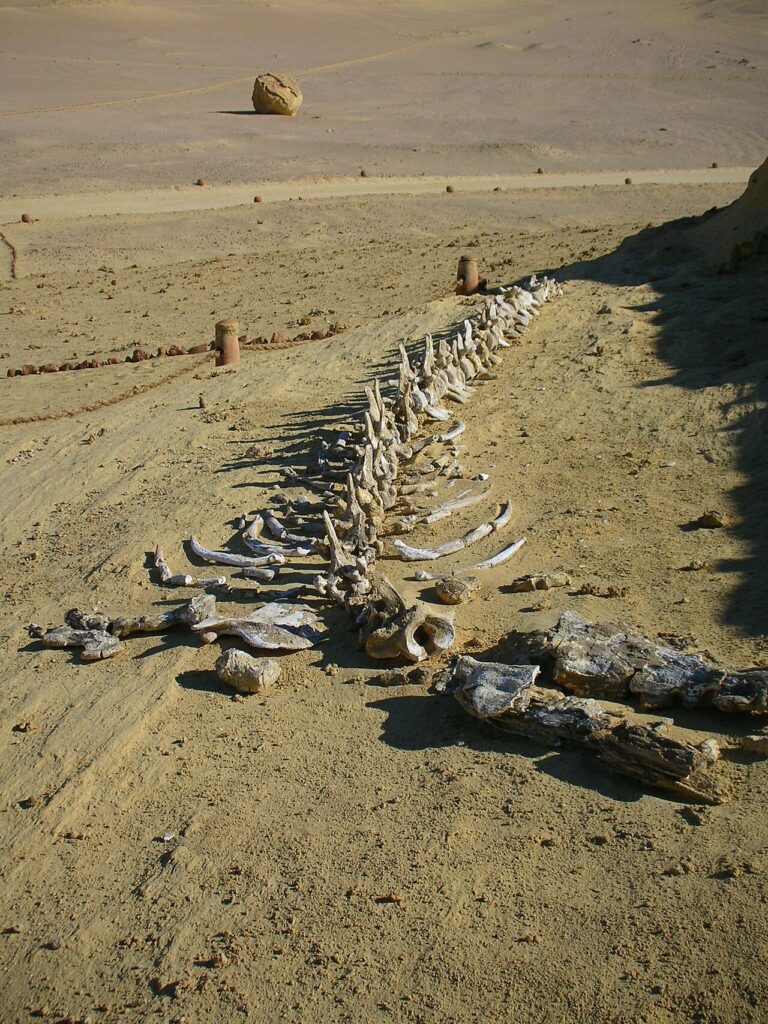
Wadi Al-Hitan (Whale Valley), a UNESCO Natural World Heritage Site in Egypt’s Western Desert, contains the world’s most important concentration of Eocene whale fossils, including skeletons of Basilosaurus isis with preserved vestigial hind limbs — the clearest fossil evidence of the evolutionary transition from land mammals to fully marine cetaceans, dating from 40–34 million years ago.

UNESCO Heritage Sites Near Tassili n’Ajjer, Algeria

UNESCO Heritage Sites Near Tassili n’Ajjer, Algeria

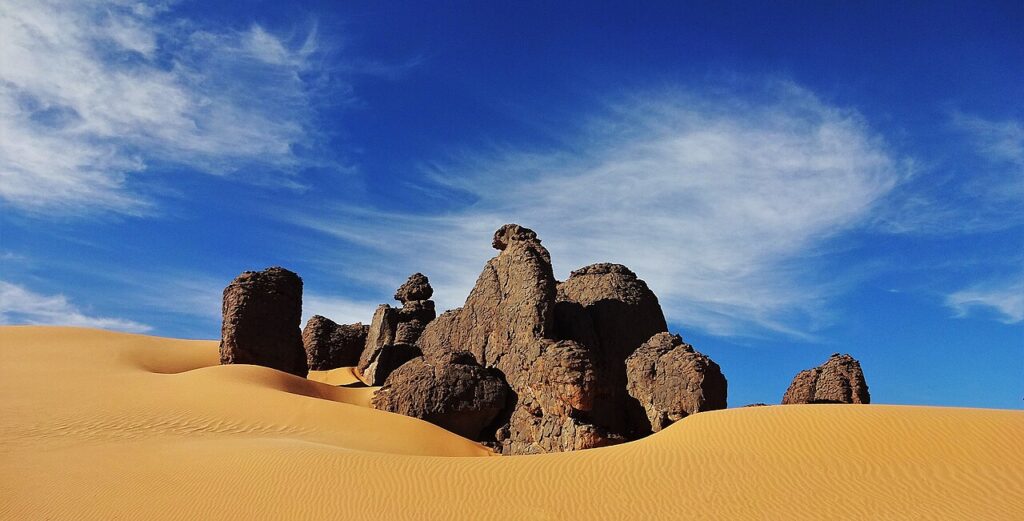
Tassili n’Ajjer, a 72,000 km² sandstone plateau in southeastern Algeria, holds more than 15,000 prehistoric rock paintings and engravings spanning from c. 10,000 BCE to the historical period — the most comprehensive visual record of the Sahara’s transformation from fertile savanna to desert. A mixed UNESCO World Heritage Site since 1982, it is accessible exclusively through licensed Tuareg guides based in Djanet oasis.

UNESCO Heritage Sites Near Bisotun, Iran

UNESCO Heritage Sites Near Bisotun, Iran

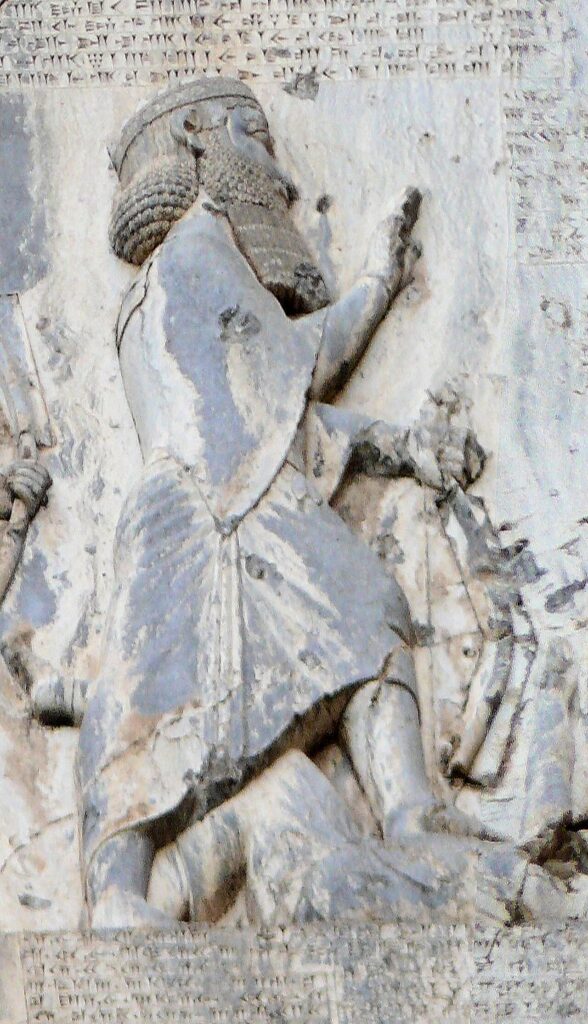
Bisotun (UNESCO 2006) in Kermanshah Province, Iran, preserves the world’s largest rock relief and the most important multilingual inscription of antiquity — the Behistun Inscription of Darius I (521-520 BCE), carved in Old Persian, Elamite, and Babylonian cuneiform. When copied by Henry Rawlinson in 1835-1847, the trilingual text became the key to deciphering all Mesopotamian cuneiform scripts, unlocking more than 3,000 years of Sumerian, Akkadian, Babylonian, and Assyrian written records.

Jabal Al Qara Cave, Al-Ahsa, Saudi Arabia

UNESCO Heritage Sites Near Al-Ahsa Oasis, Saudi Arabia

Al-Ahsa, UNESCO-inscribed in 2018, is the world’s largest oasis — an 85-square-kilometre expanse of date palm groves in Saudi Arabia’s Eastern Province sustained by artesian springs active for over 6,000 years. The oasis produces roughly 20 percent of Saudi Arabia’s dates, including the prized Khalas and Ajwa varieties, and its urban core holds Ottoman-era monuments including the Ibrahim Palace, the Qaisariya Market, and the Al-Qarah Mountain cave system.

UNESCO Heritage Sites Near Socotra Archipelago, Yemen

UNESCO Heritage Sites Near Socotra Archipelago, Yemen

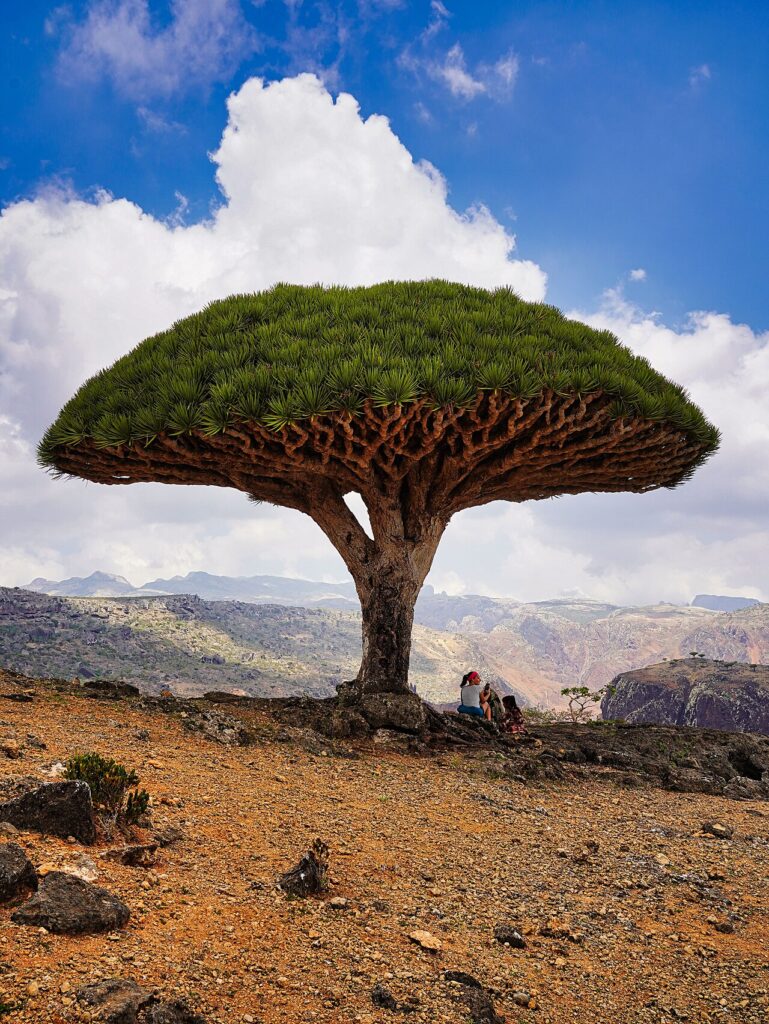
Socotra, a UNESCO Natural World Heritage Site in the Arabian Sea, holds one of the world’s highest concentrations of endemic species — including the dragon blood tree with its distinctive inverted-umbrella canopy — produced by six to seven million years of near-total isolation. On the In Danger list since 2021 due to the Yemen civil war, the archipelago remains one of the most extraordinary natural environments on Earth, with careful planning required for any visit.

UNESCO Heritage Sites Near Lumbini, Nepal

UNESCO Heritage Sites Near Lumbini, Nepal

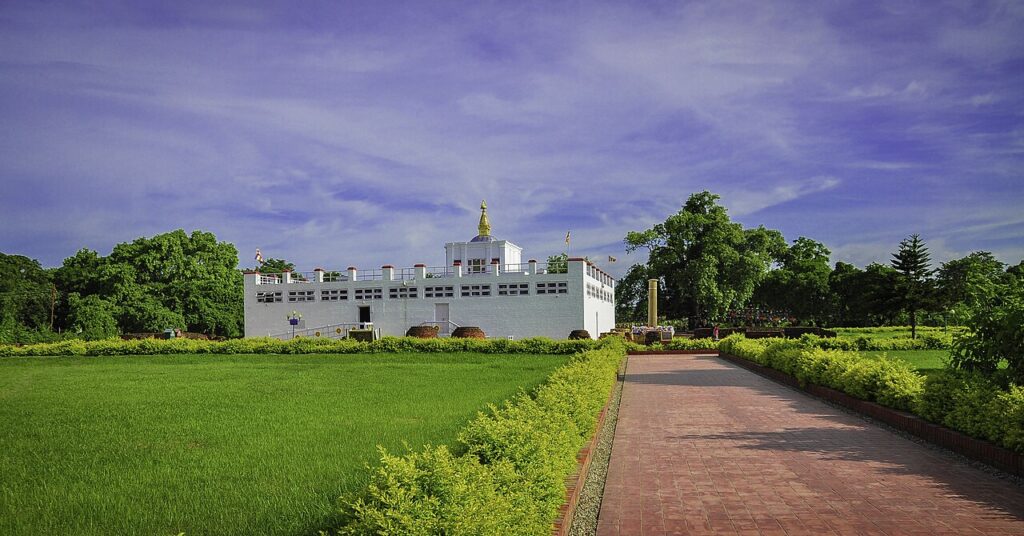
Lumbini in Nepal’s Terai lowlands is the site where the Buddha is said to have been born around the 5th century BCE, confirmed by an inscription placed by Emperor Ashoka in 249 BCE — the earliest written evidence linking a physical location to Siddhartha Gautama. UNESCO-inscribed since 1997, the Sacred Garden preserves the Mayadevi Temple, the Ashoka Pillar, and the Nativity Stone, surrounded by a monastic zone where 26 nations have built monasteries.

Scroll to Top