

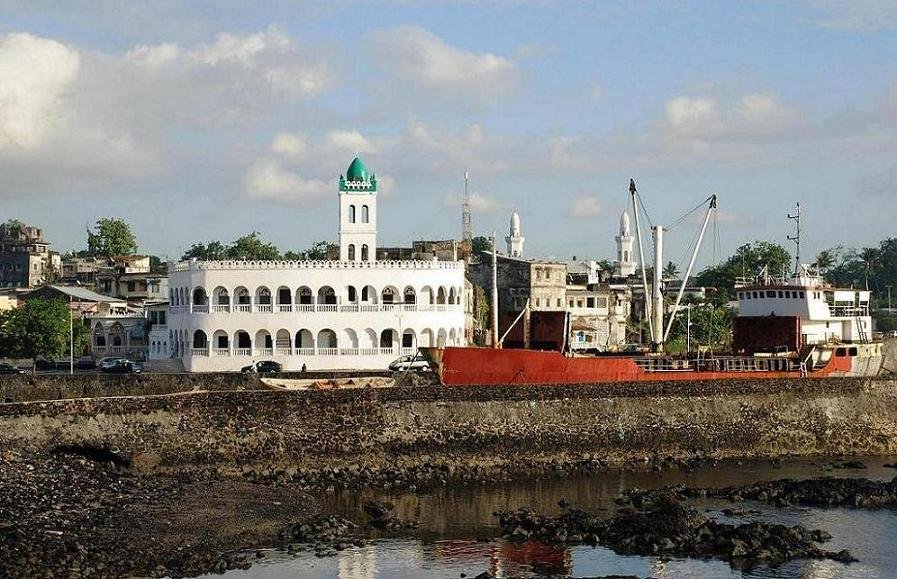
UNESCO Heritage Sites Near Moroni, Comoros
Comoros has no UNESCO sites. The nearest is Aldabra Atoll, Seychelles (1,200 km southeast) — the world’s second largest atoll, home to 100,000 giant tortoises, accessible only by special permit.
Comoros has no UNESCO sites. The nearest is Aldabra Atoll, Seychelles (1,200 km southeast) — the world’s second largest atoll, home to 100,000 giant tortoises, accessible only by special permit.
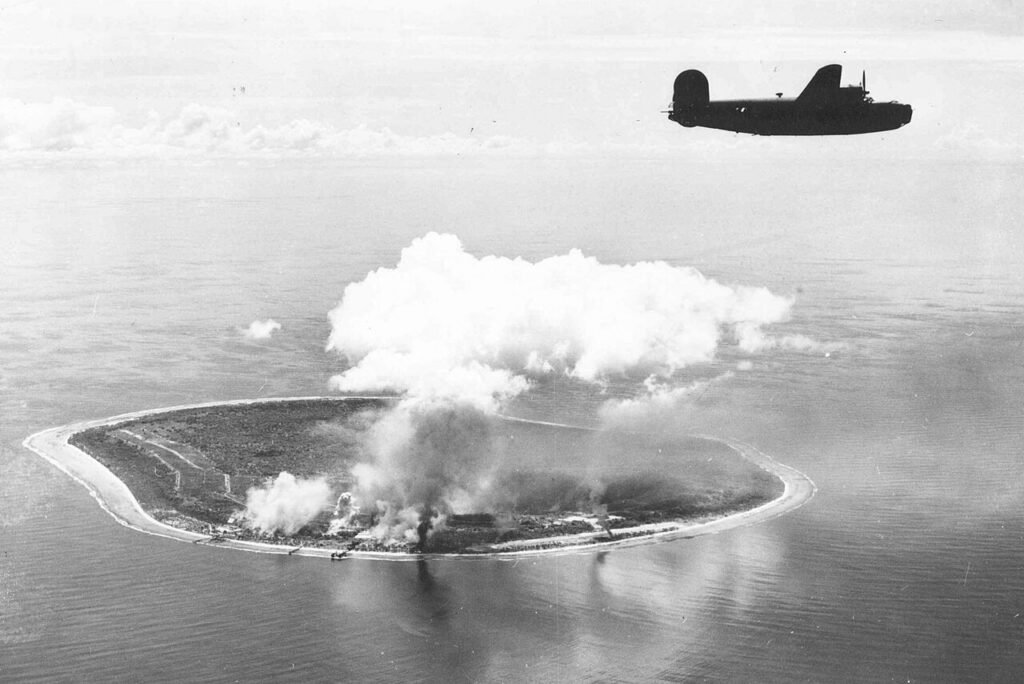
Nauru has no UNESCO sites. The Topside phosphate plateau — where 90 years of extraction left a landscape of coral limestone pinnacles — is the island’s most distinctive heritage feature, 15 min from Yaren.
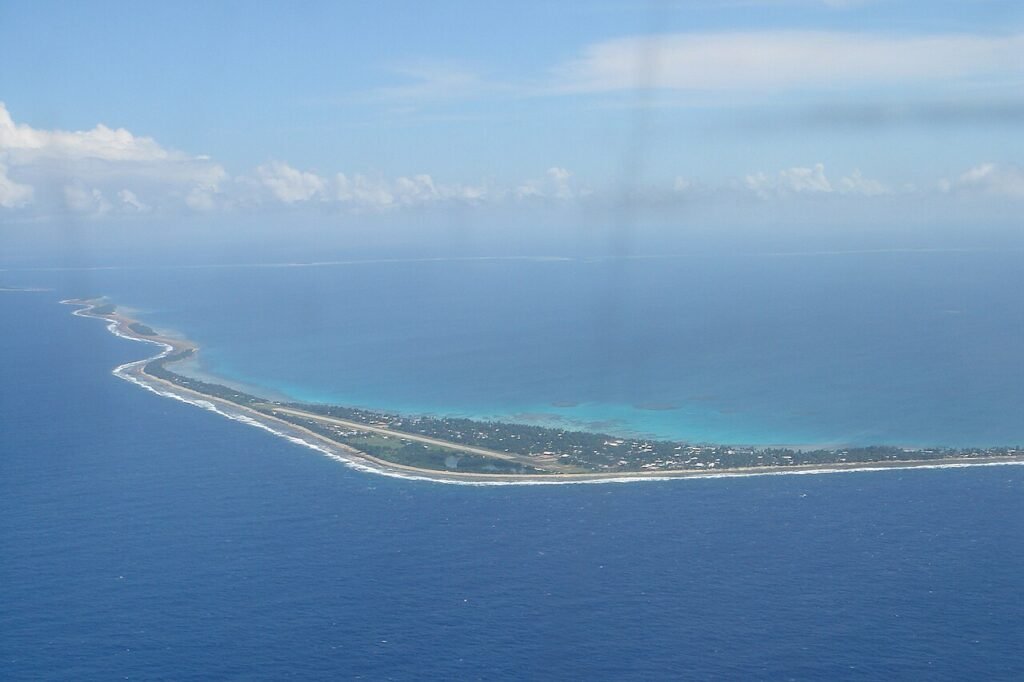
Tuvalu has no UNESCO sites. Funafuti’s Funafuti Conservation Area protects 33 km² of lagoon reef; the atoll, less than 2 metres above sea level, has become a symbol of climate heritage under threat.
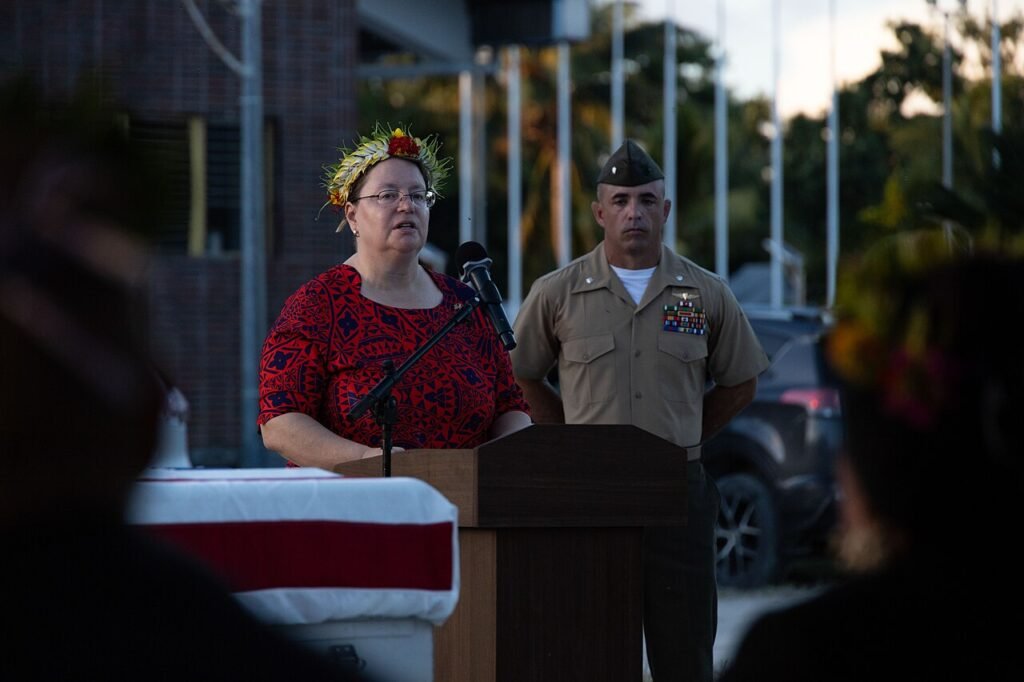
Kiribati’s only UNESCO site — the Phoenix Islands Protected Area (408,000 km² of pristine Pacific ocean, inscribed 2010) — lies 1,800 km from capital South Tarawa; the Tarawa WWII battlefield is on the capital island.
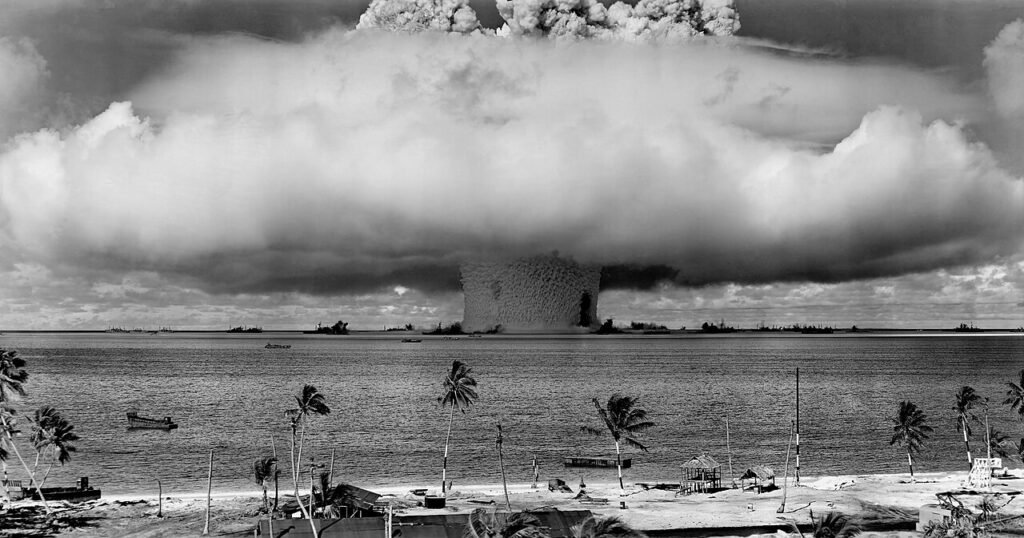
The Marshall Islands’ only UNESCO site — Bikini Atoll Nuclear Test Site (2010) — lies 850 km from Majuro; 23 nuclear tests were conducted here between 1946 and 1958, including the first hydrogen bomb.
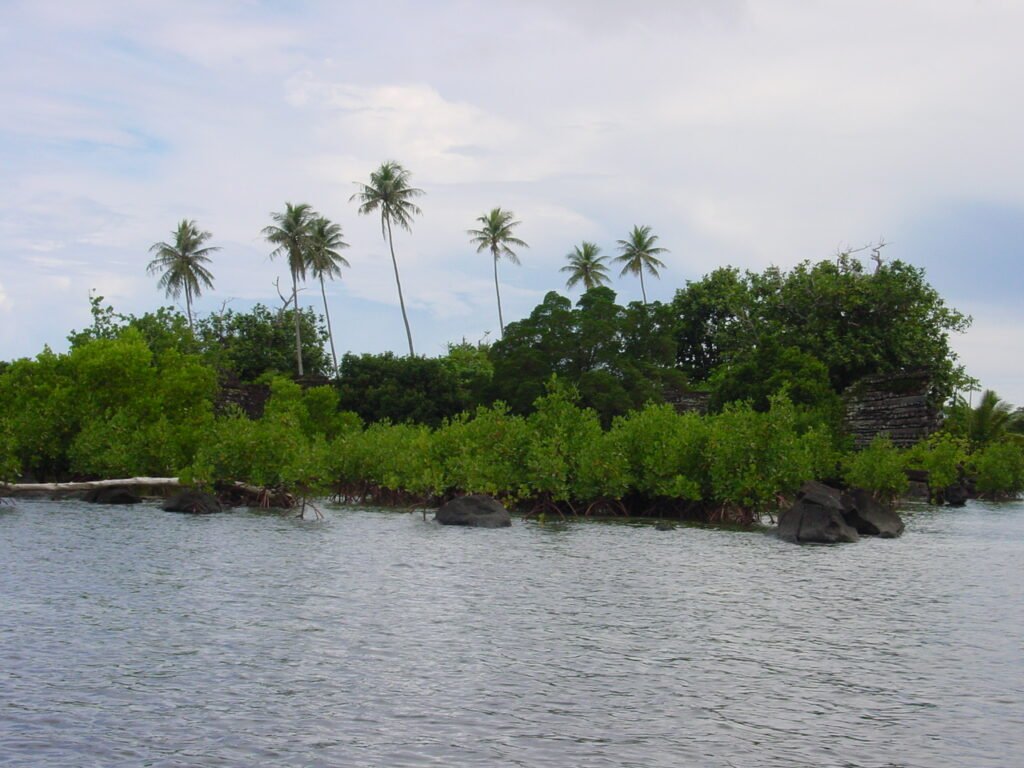
Palikir shares Pohnpei island with Nan Madol — a UNESCO-inscribed (2016) city of 92 basalt islets built in a tidal lagoon by the Saudeleur dynasty between 1200 and 1600 AD, 20 km from the capital.
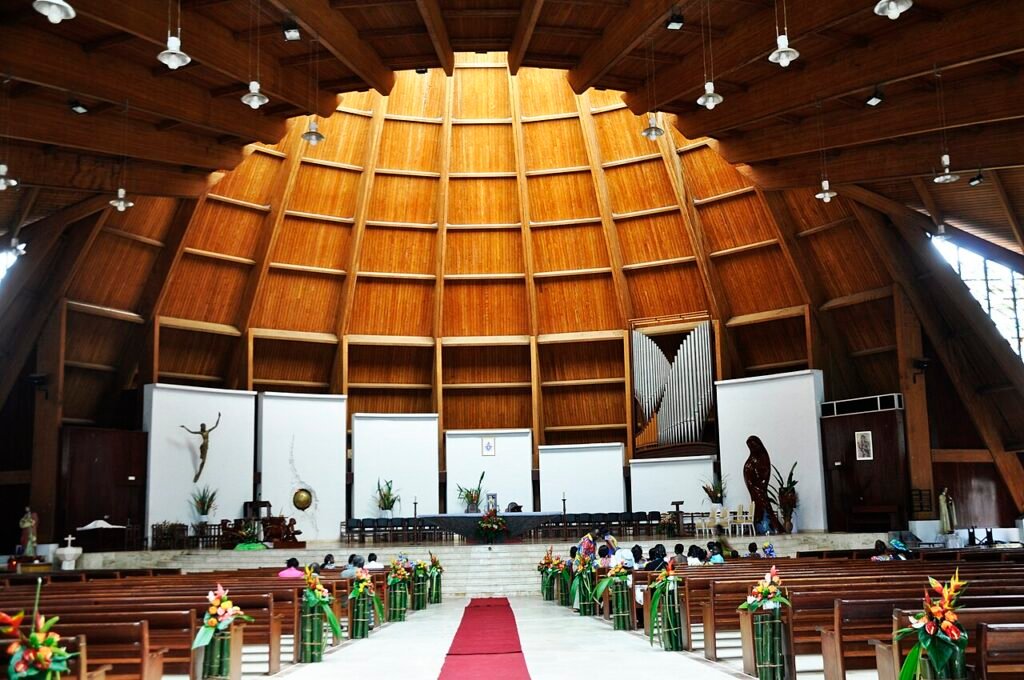
From Yaoundé, two UNESCO sites: Dja Faunal Reserve (250 km, gorillas and forest elephants) and the Sangha Trinational Forest (600 km, 750,000 ha of continuous Congo Basin wilderness).
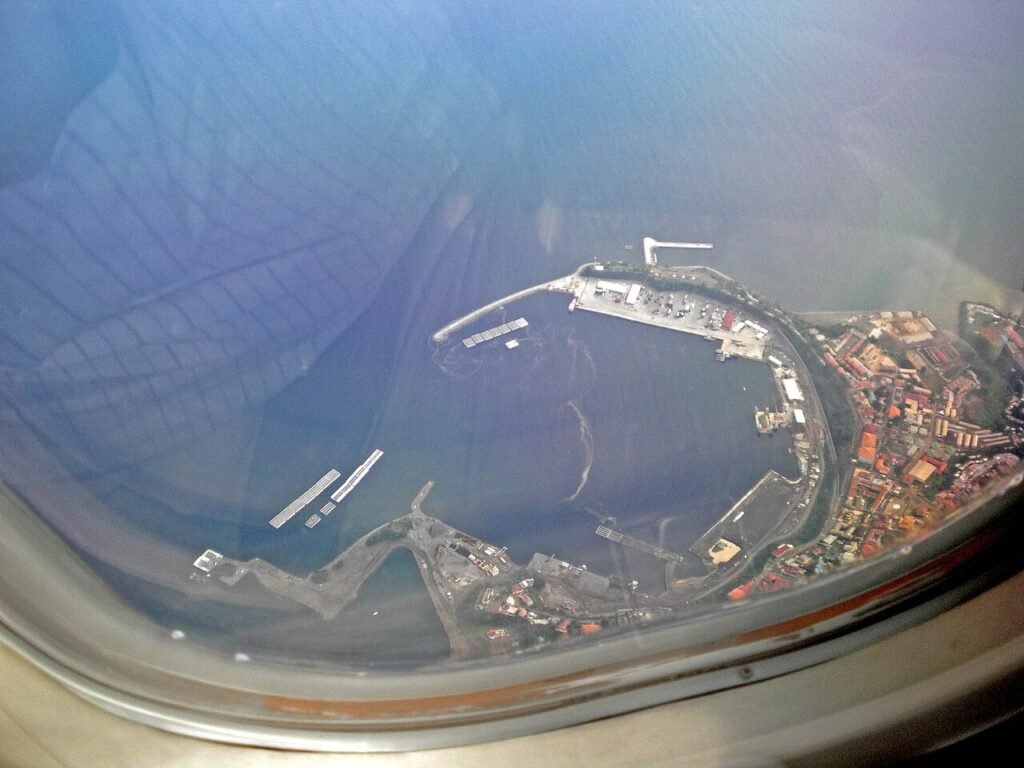
Equatorial Guinea has no UNESCO sites. From Malabo, the nearest inscribed sites are Cameroon’s Dja Faunal Reserve (450 km, gorillas and forest elephants) and Gabon’s Lopé-Okanda National Park.
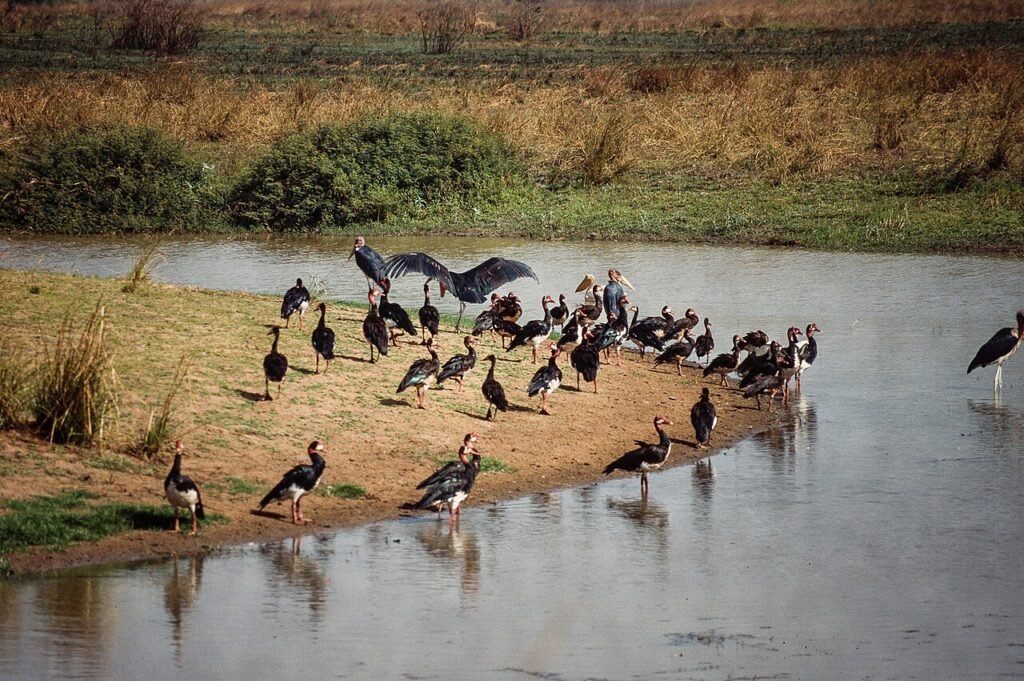
The CAR’s only UNESCO site — Manovo-Gounda St Floris National Park (1988, 500 km north of Bangui) — has been on the Danger List since 1997 and is currently inaccessible due to ongoing armed conflict.