

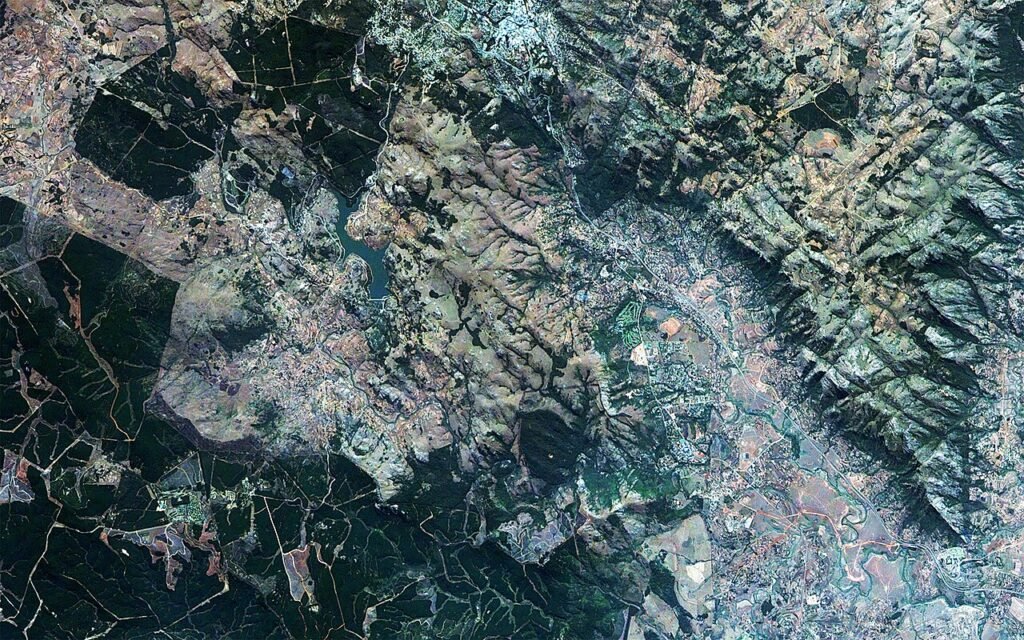
UNESCO Heritage Sites Near Mbabane, Eswatini
Eswatini has no UNESCO sites. Nearest: uKhahlamba/Drakensberg Park in South Africa (35,000 San rock paintings, 200 km south) and iSimangaliso Wetland Park (200 km east).
Eswatini has no UNESCO sites. Nearest: uKhahlamba/Drakensberg Park in South Africa (35,000 San rock paintings, 200 km south) and iSimangaliso Wetland Park (200 km east).
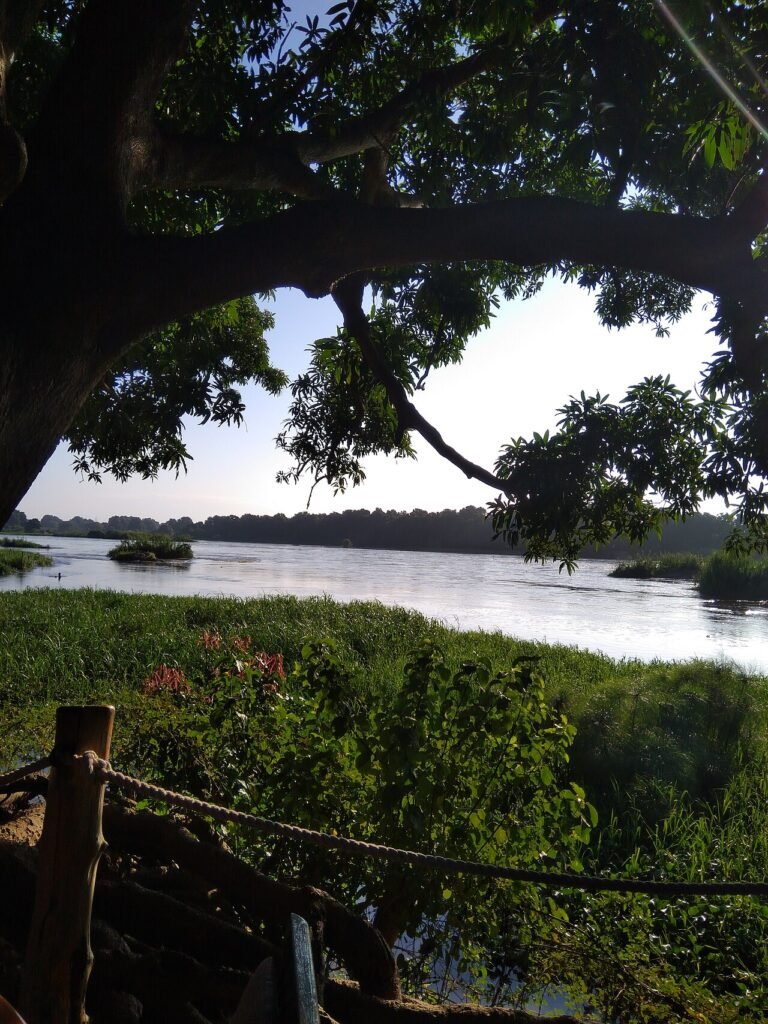
South Sudan has no UNESCO sites. Near Juba: the Sudd (one of the world’s largest freshwater wetlands, home to the shoebill stork) and Boma NP (up to 1 million White-eared kob migration).
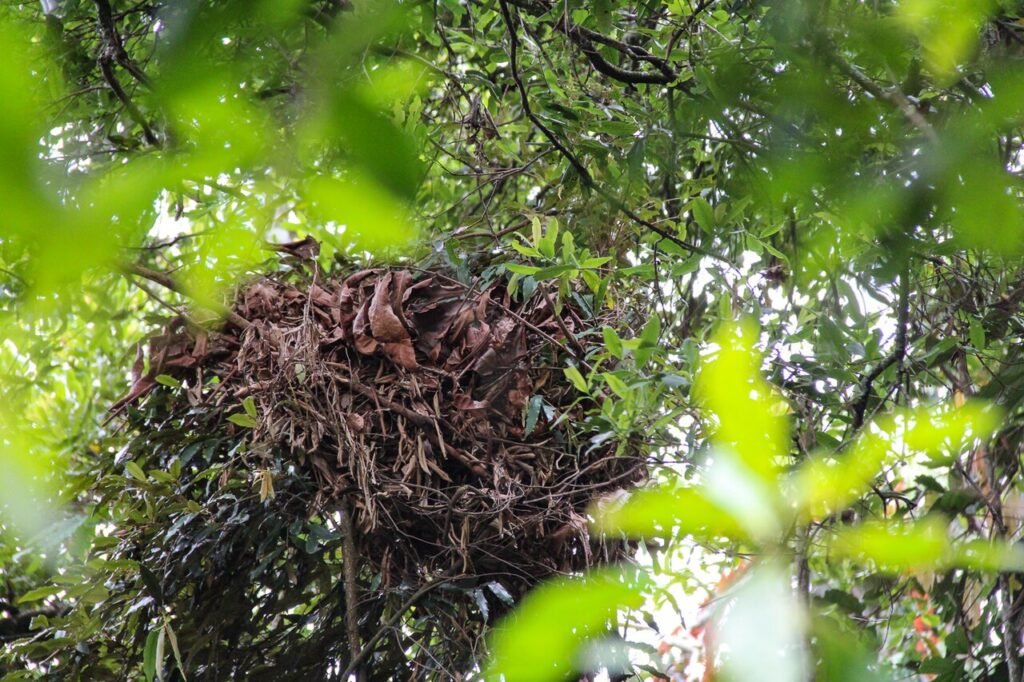
Rwanda has no inscribed UNESCO sites; nearest heritage is Virunga NP in DRC (mountain gorillas, 100 km northwest) and Nyungwe Forest (13 primate species, 220 km southwest).
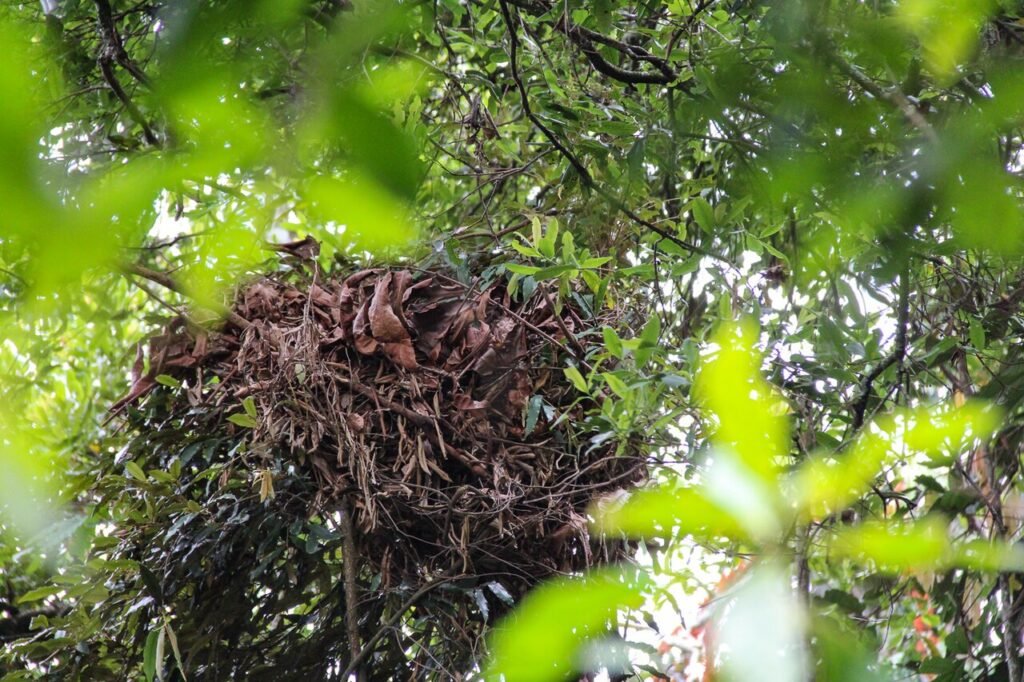
Burundi has no UNESCO sites. Nearest: Kahuzi-Biega NP in DRC (200 km northwest, 1980, eastern lowland gorillas) and Nyungwe Forest in Rwanda (200 km northeast, 13 primate species).
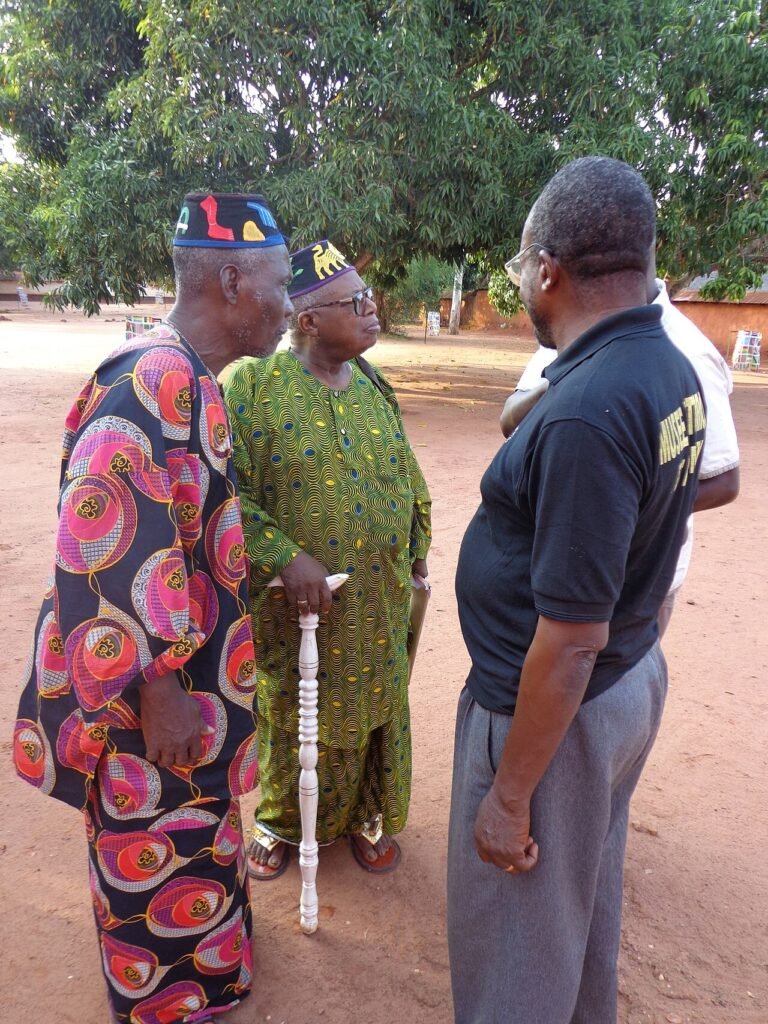
Benin has 2 UNESCO sites near Porto-Novo: Royal Palaces of Abomey (140 km northwest, inscribed 1985) — archive of the Kingdom of Dahomey — and Koutammakou earthen tower-houses (2004).
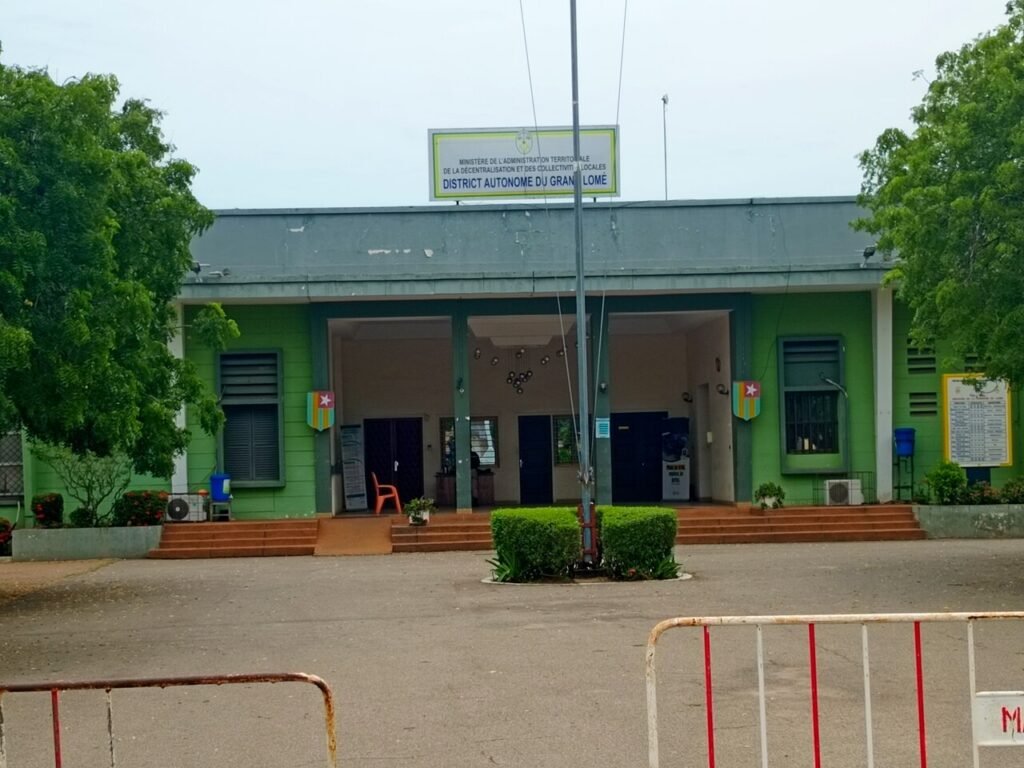
Togo has no UNESCO sites. Nearest: Royal Palaces of Abomey in Benin (140 km east, inscribed 1985) — seat of the Kingdom of Dahomey for 2+ centuries; and the W-Arly-Pendjari wildlife complex (2019).
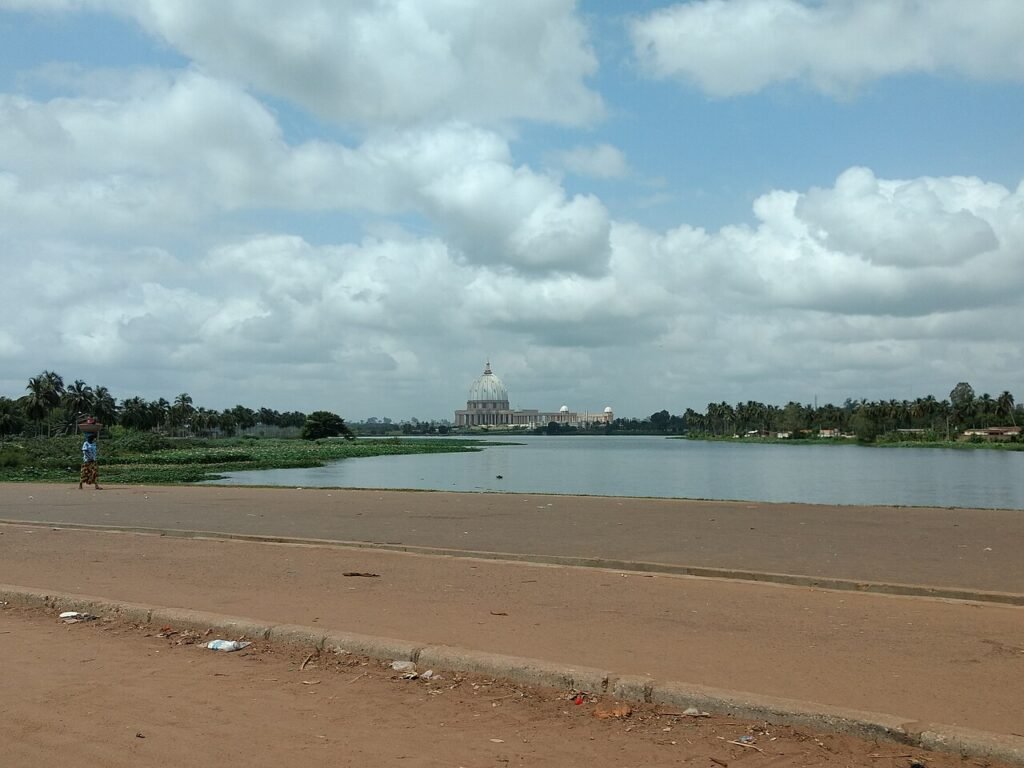
Côte d’Ivoire has 4 UNESCO sites accessible from Yamoussoukro: Comoé NP (500 km NE), Taï NP with West African chimpanzees (450 km SW), and colonial Grand-Bassam (250 km SE).
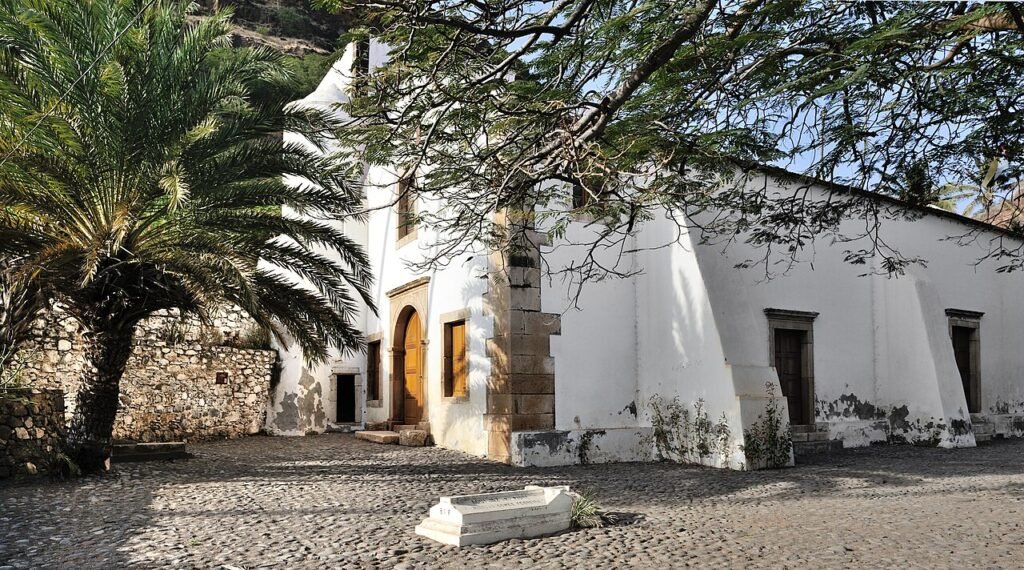
Cape Verde’s only UNESCO site — Cidade Velha, Historic Centre of Ribeira Grande (2009) — is 15 km from Praia and holds the oldest European colonial church in Sub-Saharan Africa and the Pelourinho slave trade monument.
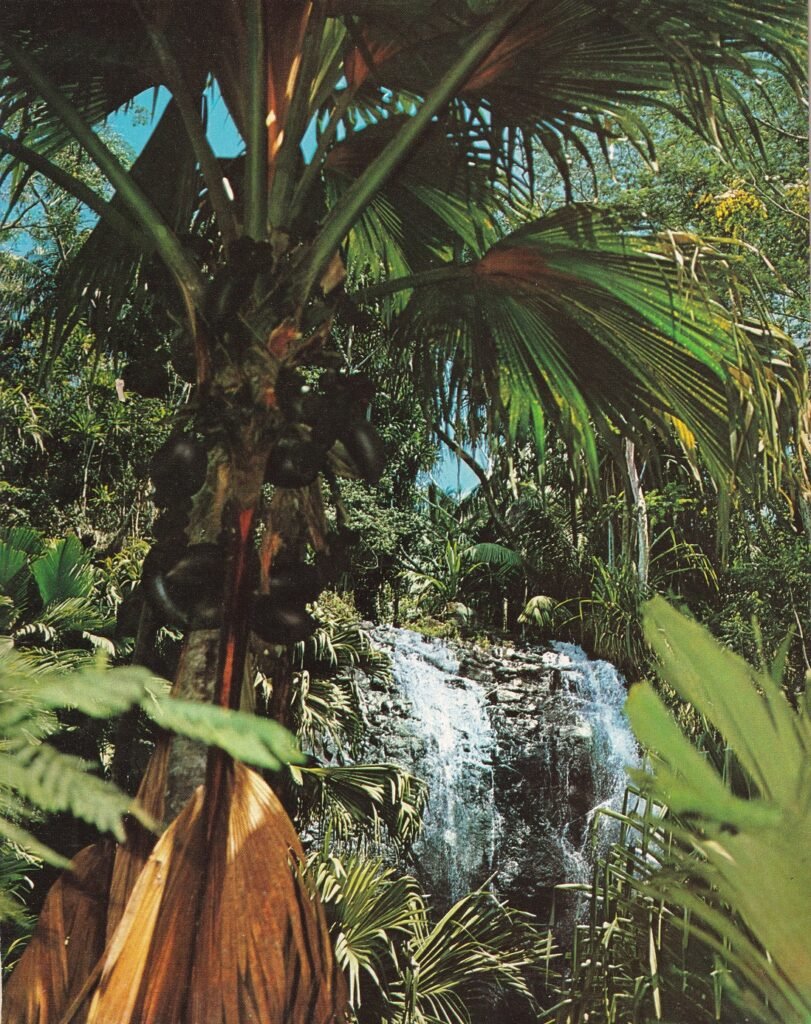
Seychelles has 2 UNESCO sites accessible from Victoria: the Vallée de Mai on Praslin (coco de mer palms, 45 km) and Aldabra Atoll (100,000 giant tortoises, 1,150 km southwest).