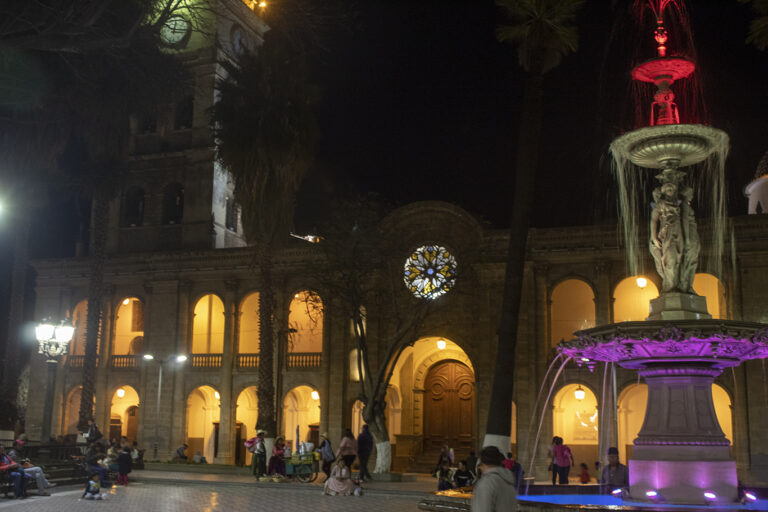
In 1925, within the strategic railway hub of Saronno northwest of Milan, industrialist Nicola Romeo transformed an existing mechanical works into CEMSA (*Costruzioni Elettro Meccaniche di Saronno*). Bridging the heavy electromechanical demands of Italian railway electrification with aeronautical engineering under aviation pioneer Gianni Caproni, CEMSA produced monumental three-phase locomotives before conceiving one of the most visionary automobiles in history: the front-wheel-drive Caproni-Cemsa F11.
Electrifying Italy’s Railways: The Saronno Giants
The mid-1920s witnessed Italy’s ambitious drive to electrify its Alpine and peninsular rail networks using the three-phase AC system. CEMSA’s cavernous brick workshops in Saronno were equipped with heavy overhead gantry cranes, massive boring mills, and transformer coil-winding rooms. There, CEMSA fabricated the legendary E.333 and E.472 electric locomotives for the Ferrovie dello Stato, capable of pulling passenger expresses through steep Apennine gradients with iron reliability.
In 1935, aeronautical magnate Count Gianni Caproni acquired CEMSA, injecting cutting-edge aircraft alloys, wind-tunnel research, and precision tooling into Saronno’s industrial bloodstream.
The F11 Masterpiece and Industrial Memory
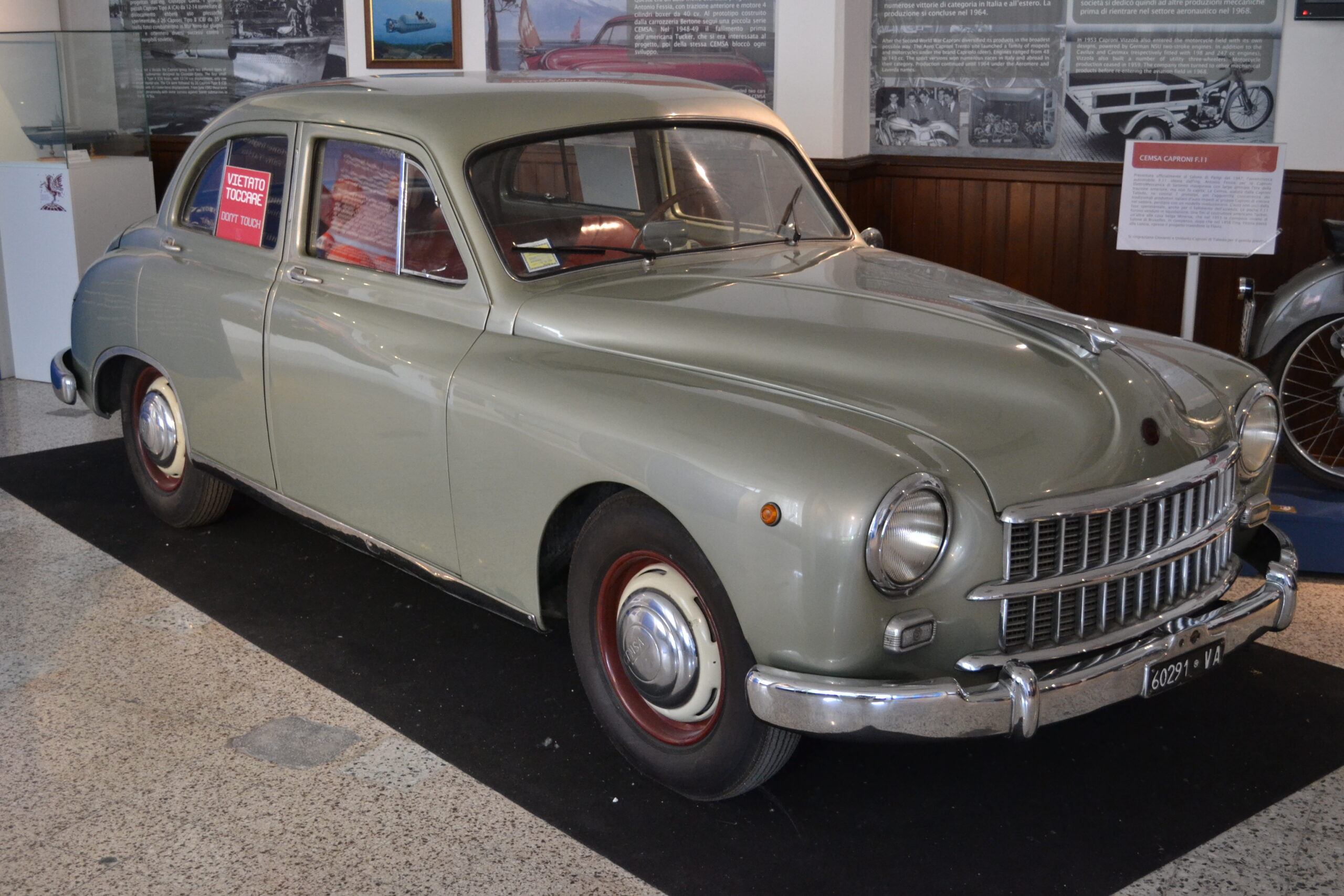
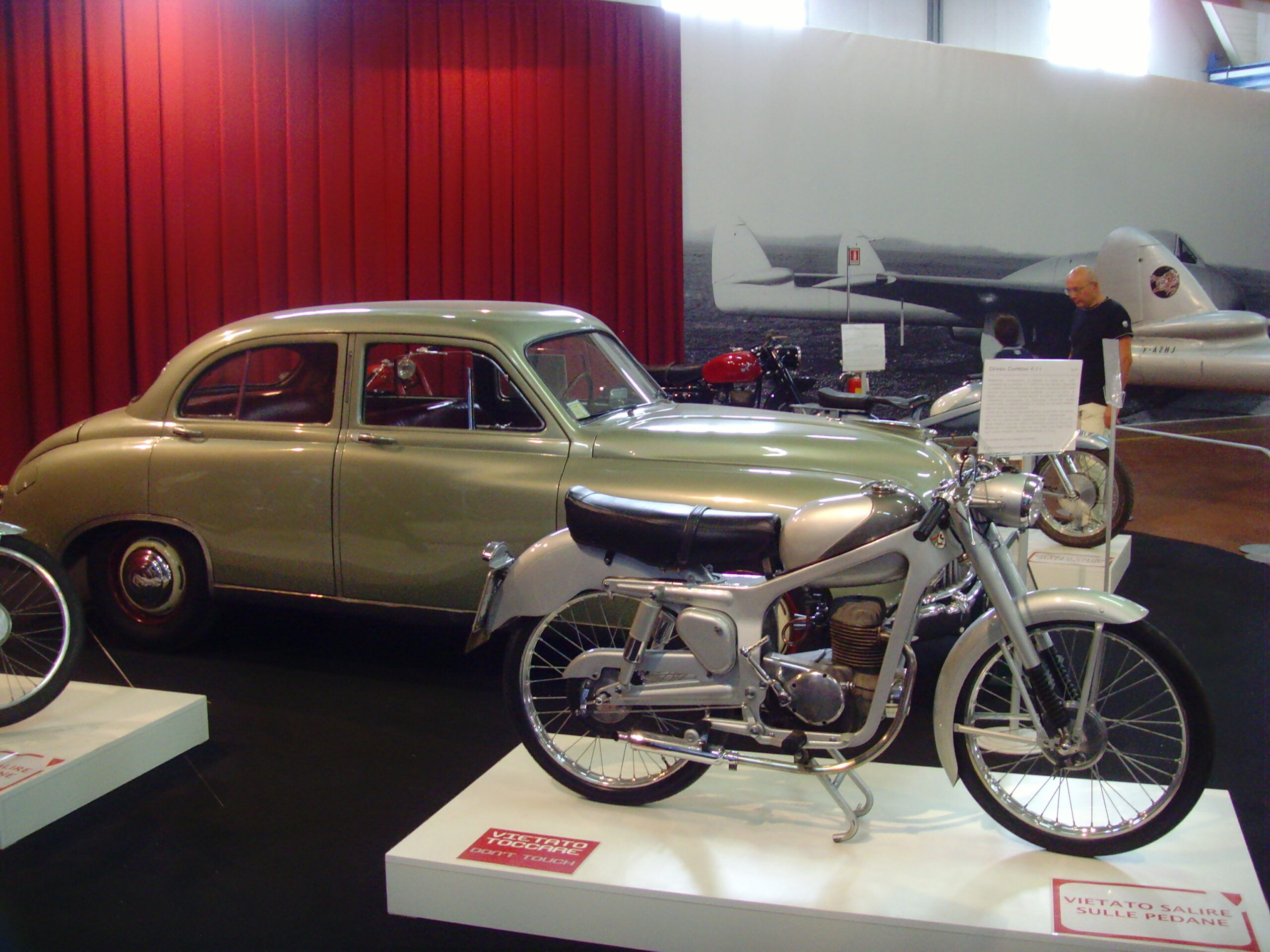
Following the Second World War, Caproni entrusted brilliant former Fiat technical director Antonio Fessia (1901–1968) to develop a car of the future. The result, unveiled at the 1947 Paris Salon, was the *Caproni-Cemsa F11*: featuring front-wheel drive, a flat-four boxer engine mounted ahead of the front axle, and four-wheel independent suspension. Though postwar financial collapse prevented mass assembly, Fessia later resurrected this exact mechanical blueprint at Lancia to create the legendary Flavia in 1960.
Today, the former CEMSA industrial perimeter in Saronno stands as an evocative symbol of Lombard heavy industry. Prototypes and railway components are preserved in national transport museums, honoring a factory where trains and cars touched the future.
Costruzioni elettromeccaniche e locomotori trifase in Lombardia
Documentario dell'Istituto Luce che mostra i colossali capannoni metallurgici lombardi e il collaudo dei locomotori elettrici per le Ferrovie dello Stato negli anni Trenta. (Fonte: Archivio Storico Istituto Luce Cinecittà)
Interactive 360° Heritage View: Historic CEMSA Plant Site
Historical Location: Via Gorizia / Via Varese, 21047 Saronno VA, Italy (Coordinates: 45.62652, 9.03446)
Historical Archive Gallery
Sources
- S1 — Lurani, Giovanni. Storia delle automobili italiane. De Agostini, 1982. ISBN 978-88-402-4112-8.
- S2 — Rogliatti, Gianni. Le grandi macchine italiane: CEMSA e Caproni. Nada Editore, 1991. ISBN 978-88-7911-052-5.
Spotted an error? Write to editorial@culturalheritageonline.com and we correct it the same day.