You can date the painting and trace its provenance. Can you say what room it hangs in, and what that room does to it?
An art history degree teaches you to date an object, attribute it, place it in a sequence and trace who owned it. It rarely teaches you to write about the room it is in.
Yet the room is where the object meets the public: the height of the hang, the light, the colour of the wall, the label, the fact that it is in a house built to look like another century or in a museum built to hold a national collection.
That gap is a subject, and a student can fill it.
The clearest case: a house built for its collection
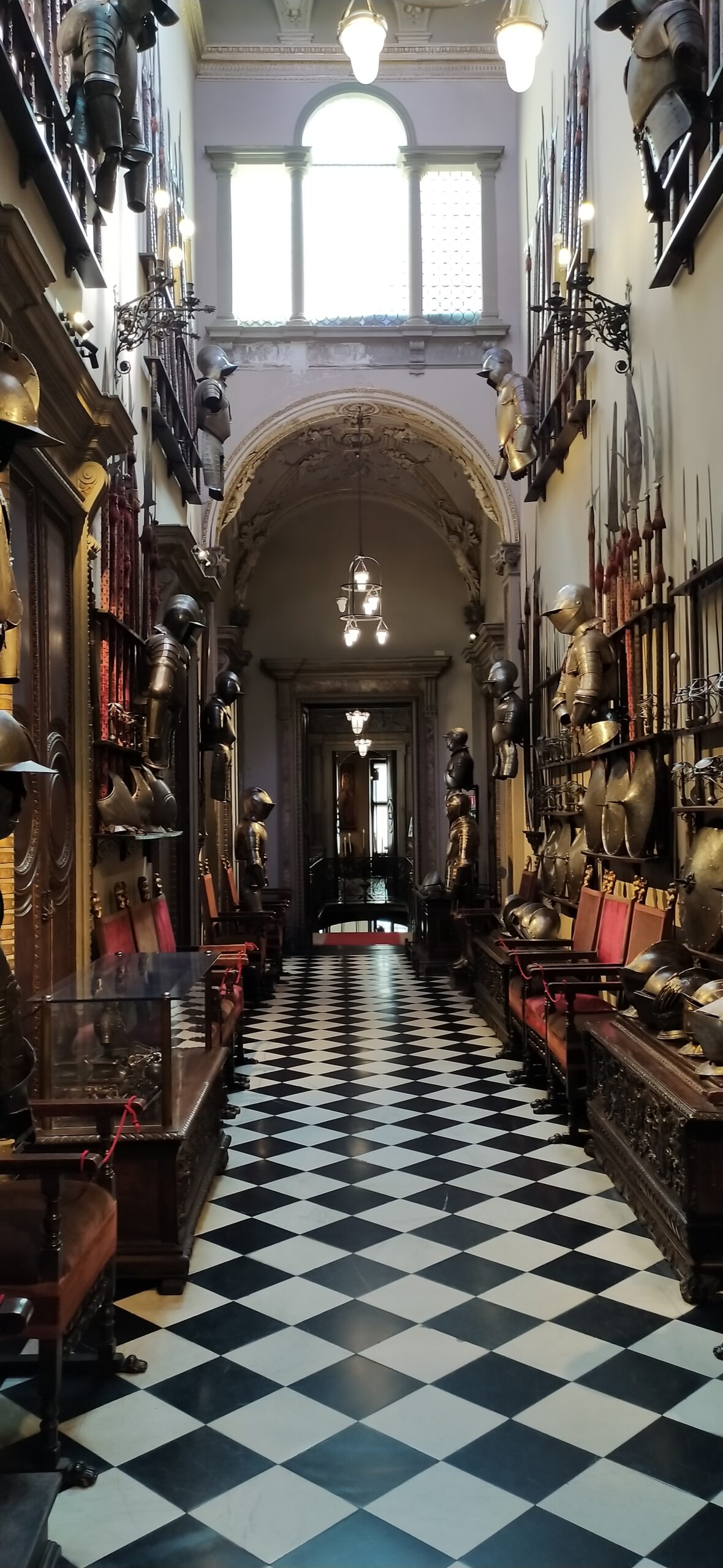
The Museo Bagatti Valsecchi in Milan is a nineteenth-century house decorated in the style of a Lombard Renaissance palace and filled with Renaissance painting and decorative arts, including works by Giovanni and Gentile Bellini, Giampietrino, Bernardo Zenale and Lorenzo di Niccolò.
A Bellini in that room is not the same object as a Bellini on a white wall. The difference is describable, and almost nobody describes it.

What you can publish
A room reading. The building, the sequence of rooms, the hang, the light, the labels.
A display history. How a collection moved, and what the move meant.
An object in place. One work, the room it is in now, the history of how it got there.
Two examples of why the building is not neutral
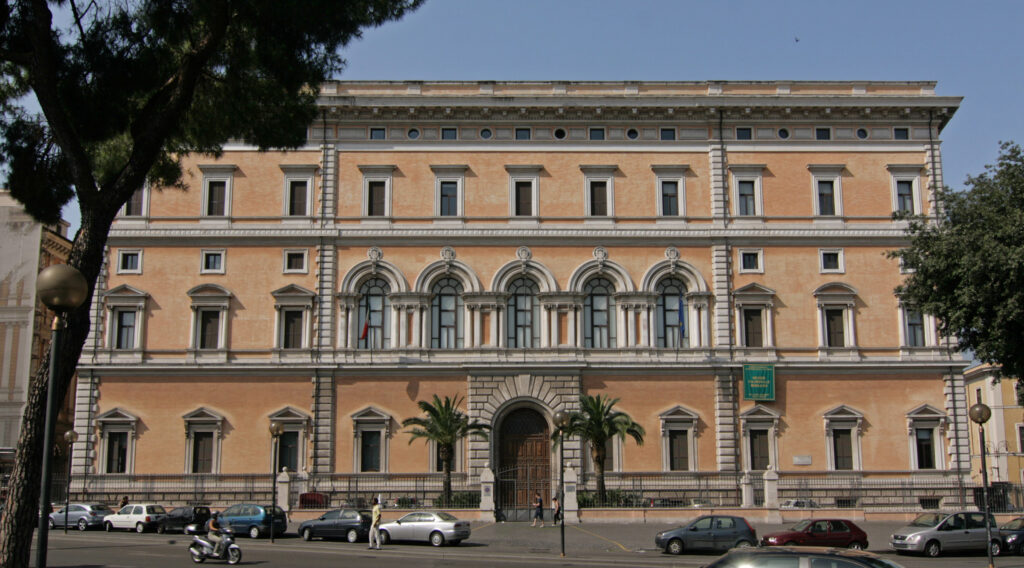
Palazzo Massimo alle Terme is one of the four seats of the Museo Nazionale Romano, founded in 1889 to hold what the new capital was excavating. The building itself went up in 1883-1887 as a Jesuit college: the Boxer at Rest and the painted garden of Livia’s villa are shown inside a building with its own history.
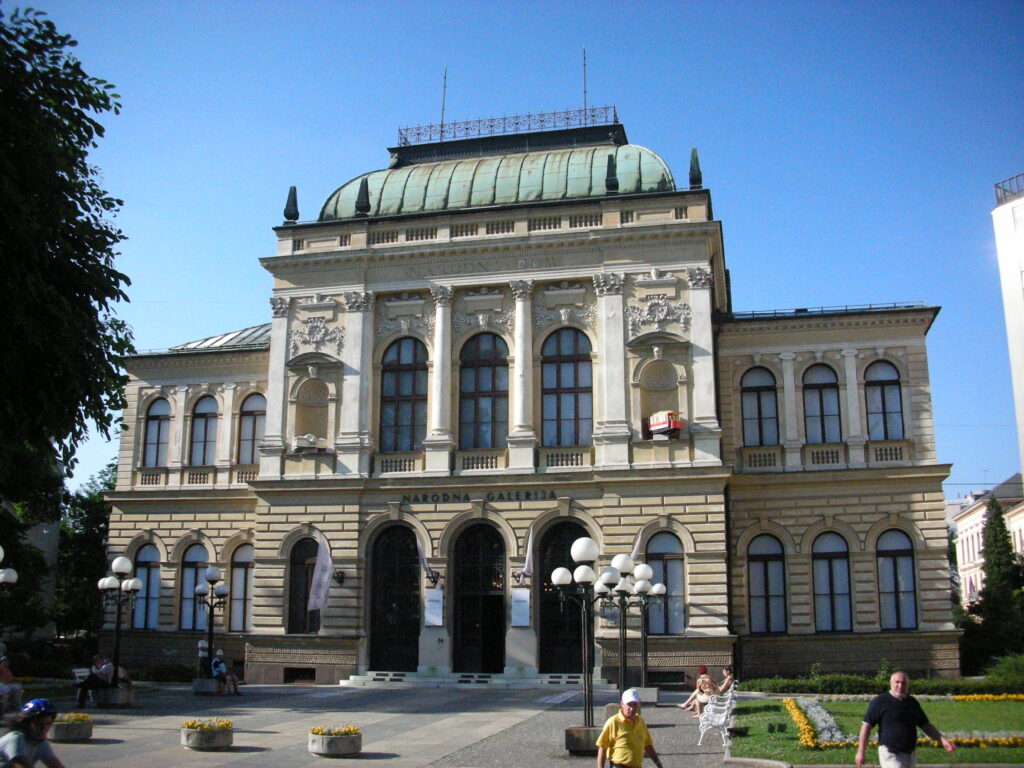
The National Gallery of Slovenia was founded in 1918, after the collapse of Austria-Hungary, and moved from the Kresija Palace to its present building in 1925. That is not a footnote to the paintings: it is an argument about what a national collection was for, made in stone and floor plan.
Where to start
Start with the museum you visit most often. You know the collection; the room is the part you have been walking through without looking.
Photograph the hang, take the dimensions, read the labels, ask the press office what you may reproduce, and write the page the museum’s own website does not have.
What it does for your record
A degree in art history produces essays that only an examiner reads. A published room reading, dated and signed, is readable by the museum you would like to work in and by the committee you would like to impress.
It will not get you a job on its own. It shows that you can look at an institution as well as at an object.
Two things to know
What you may photograph. Every museum has its own policy, and the law adds a second layer: in Italy pictures of state-owned cultural property in a commercial publication can require authorisation and a fee, and several European countries limit freedom of panorama. Everything you publish must be your own documentation or openly licensed material with its credit.
Attribution, honestly. An unsigned painting is described as attributed to a name, not as by that name, and a date that is a range stays a range.
Frequently asked questions
Is CHO Academic free?
Yes. A free account is open to anyone and needs no institution. Students and faculty at a partner institution get Operator PRO at no cost: a department code or a recognised institutional address switches it on.
Does it count as a publication?
It is edited, fact-checked and carries the ISSN, so it can be cited. It is not a peer-reviewed article in an indexed journal.
Can I reproduce a photograph of a painting?
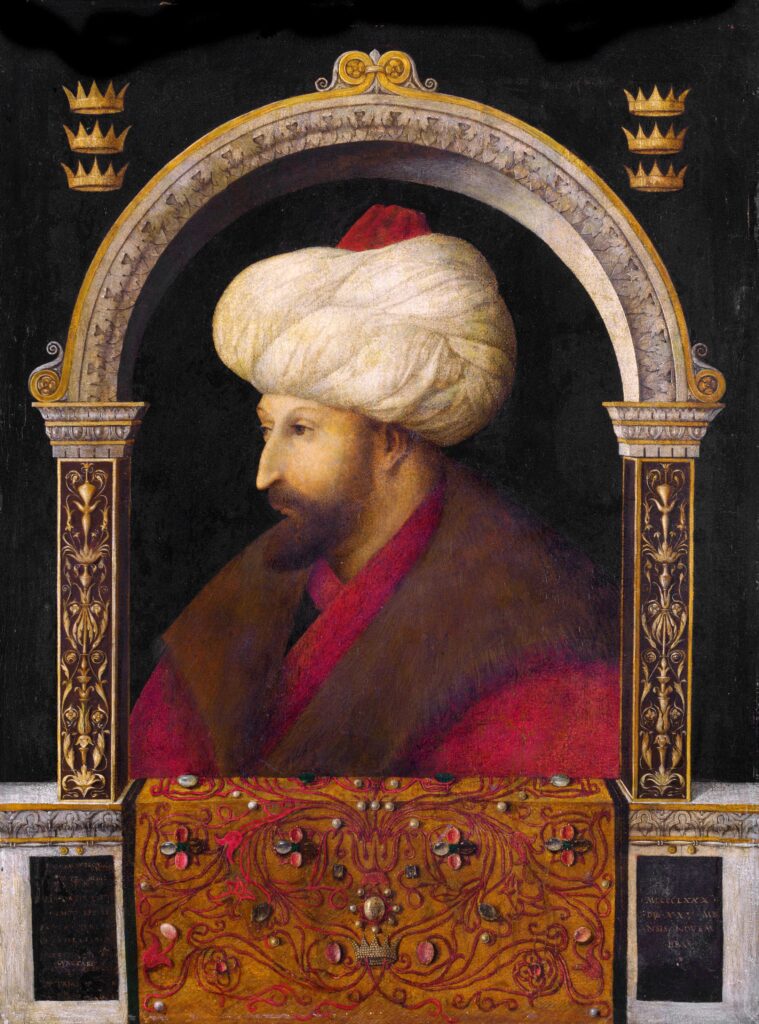
If the work is out of copyright and the photograph is openly licensed, with the photographer and the licence credited. Otherwise ask the museum, and say in the caption who gave permission.
Who owns the copyright of my text?
You do. You grant CHO a licence to publish and archive the piece with your credit, and the licence is described on the CHO Academic page.
Sources
- Cultural Heritage Online, CHO Academic · https://culturalheritageonline.com/collaborate/academic/
- CHO, Museo Bagatti Valsecchi · https://culturalheritageonline.com/places/museo-bagatti-valsecchi-milan/
- CHO, Museo Nazionale Romano — Palazzo Massimo alle Terme · https://culturalheritageonline.com/places/museo-nazionale-romano-palazzo-massimo-rome/
- CHO, National Gallery of Slovenia · https://culturalheritageonline.com/places/national-gallery-of-slovenia/
Spotted an error? Write to editorial@culturalheritageonline.com and we correct it the same day.