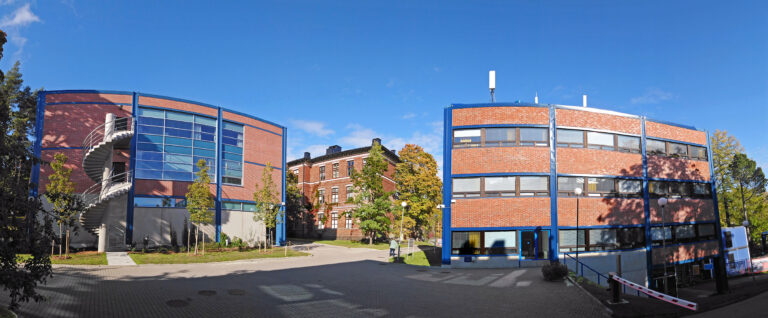
The street is full of documents in stone: dates, names, inscriptions, the sums that paid for them. Almost none of them are published.
A history degree teaches you to read documents in an archive. The street outside your department is full of documents in stone.
A date over a door. A list of names on a plaque. The sum a parish collected, the two designs that were turned down first, the name of the sculptor nobody records.
Those are historical sources, and almost none of them are published anywhere a reader can find them.
Three documents, three scales
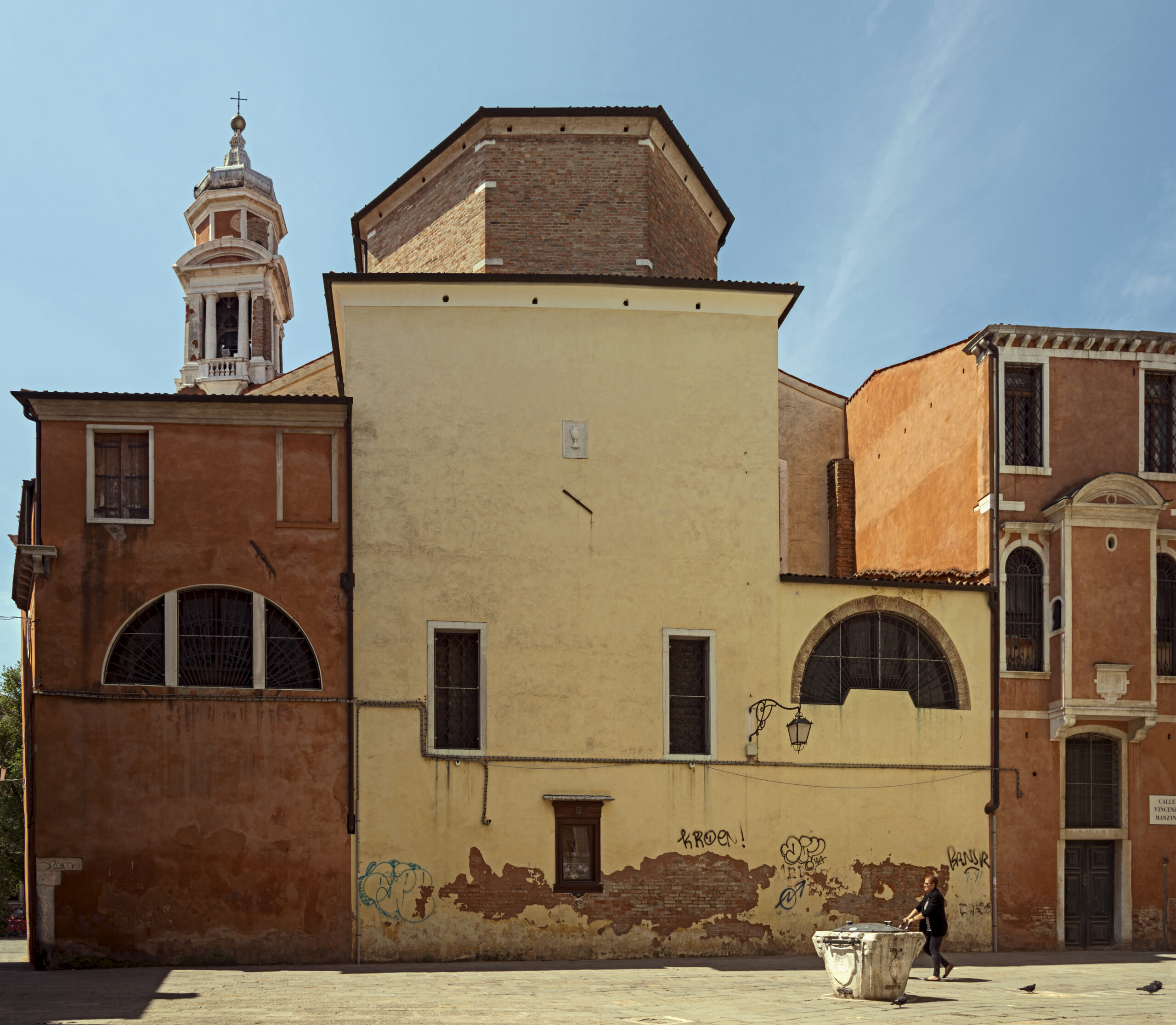
The war memorial of the Santi Apostoli parish in Venice, dated 1924 and signed by Annibale De Lotto, records a decision: two designs were turned down for being too elaborate before this one was accepted, and the parish committee raised the money while the city added two hundred lire, the sum it gave to everyone.
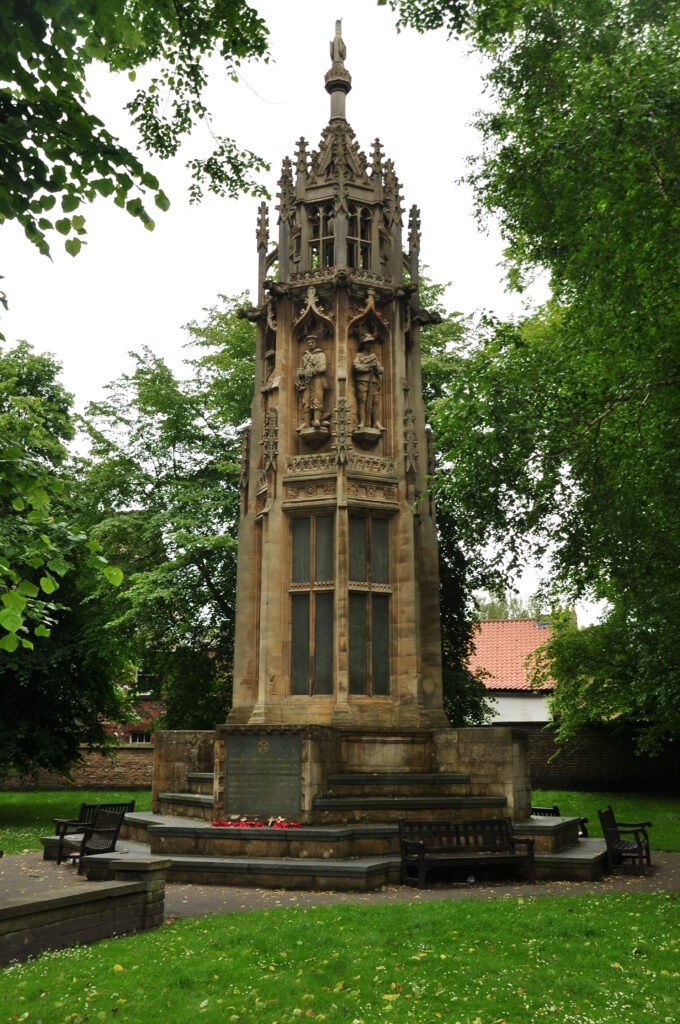
The Parco della Rimembranza of Mira is a different scale: a 1925 stone gateway and a park of remembrance beside the villa that served as Field Hospital no. 184 in the last year of the Great War, with a bronze spear for every name.
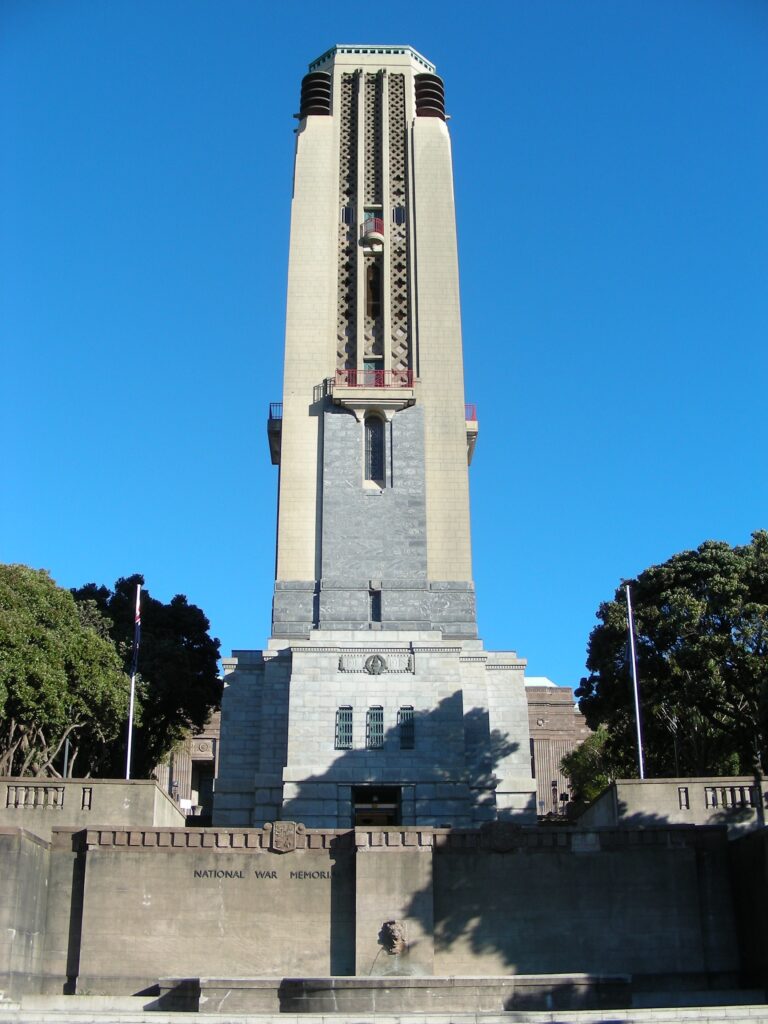
And the Wigan War Memorial, completed in 1925 and listed Grade II*, shows the same decade making a different argument in a different country.
What you can publish
A monument reading. What it says, who paid, who made it, what was rejected before it, and who is not on it.
A microhistory. One street, one parish, one factory gate, followed from the first document to the last.
A timeline of a place. The dates that a building or a square carries, put in order and sourced.
Where to start
Start with the monument you walk past. Photograph the inscription, transcribe it exactly, and check the names against a second source: the parish register, the town archive, the local paper.
Then write the five hundred words the plaque does not have. It is the piece a local historical society will read, and the one a supervisor will believe.
What it does for your record
A seminar essay is read by one person. A published monument reading, dated and sourced, can be read by the historical society, the town archive and the next student who starts from the same plaque.
It will not get you a job on its own. It shows that you can build a source base from what is in front of you.

Two things to know
The names are people. A memorial lists the dead, and their families may read what you publish. Transcribe exactly, correct nothing silently, and say plainly when you cannot read a line.
Images and permissions. Public monuments can usually be photographed from public ground, but several European countries limit freedom of panorama and in Italy pictures of state-owned cultural property in a commercial publication can require authorisation. Everything you publish must be your own documentation or openly licensed material with its credit.
Frequently asked questions
Is CHO Academic free?
Yes. A free account is open to anyone and needs no institution. Students and faculty at a partner institution get Operator PRO at no cost: a department code or a recognised institutional address switches it on.
Does it count as a publication?
It is edited, fact-checked and carries the ISSN, so it can be cited. It is not a peer-reviewed article in an indexed journal, and it does not count as one towards a doctorate.
Can I write about my own town?
That is the point. Local documentation is what the archive lacks most, and you are the person with access to it.
Who owns the copyright of my text?
You do. You grant CHO a licence to publish and archive the piece with your credit, and the licence is described on the CHO Academic page.
Sources
- Cultural Heritage Online, CHO Academic · https://culturalheritageonline.com/collaborate/academic/
- CHO, War Memorial of the Santi Apostoli Parish, Venice · https://culturalheritageonline.com/places/war-memorial-of-the-santi-apostoli-parish-venice/
- CHO, Parco della Rimembranza of Mira · https://culturalheritageonline.com/places/parco-della-rimembranza-mira/
- CHO, Wigan War Memorial · https://culturalheritageonline.com/places/wigan-war-memorial/
Spotted an error? Write to editorial@culturalheritageonline.com and we correct it the same day.