A student opens a general AI assistant and asks for a topic, a summary, a source. The library website is no longer the first door: in a 2026 survey of more than 500 students, 31% start a project in a general AI assistant, and only 10% start at the library website or database. The campus, with its century of rooms and its archive, is not in that conversation.
The research now starts in a chat
The Clarivate survey, published in July 2026, found that 95% of students use AI for school projects, up from 45% in 2024. They use it to summarize articles (61%), to brainstorm (61%), to write and edit (51%) and, for nearly half of them, to find scholarly sources. About 60% fact-check the output most of the time or always, and the feature they value most is a citation they can follow.
That last number matters for a university. Students are not looking for a shortcut; they are looking for something they can check. A page with sources is exactly what they ask for, and exactly what an assistant can quote.
Two assets, both offline
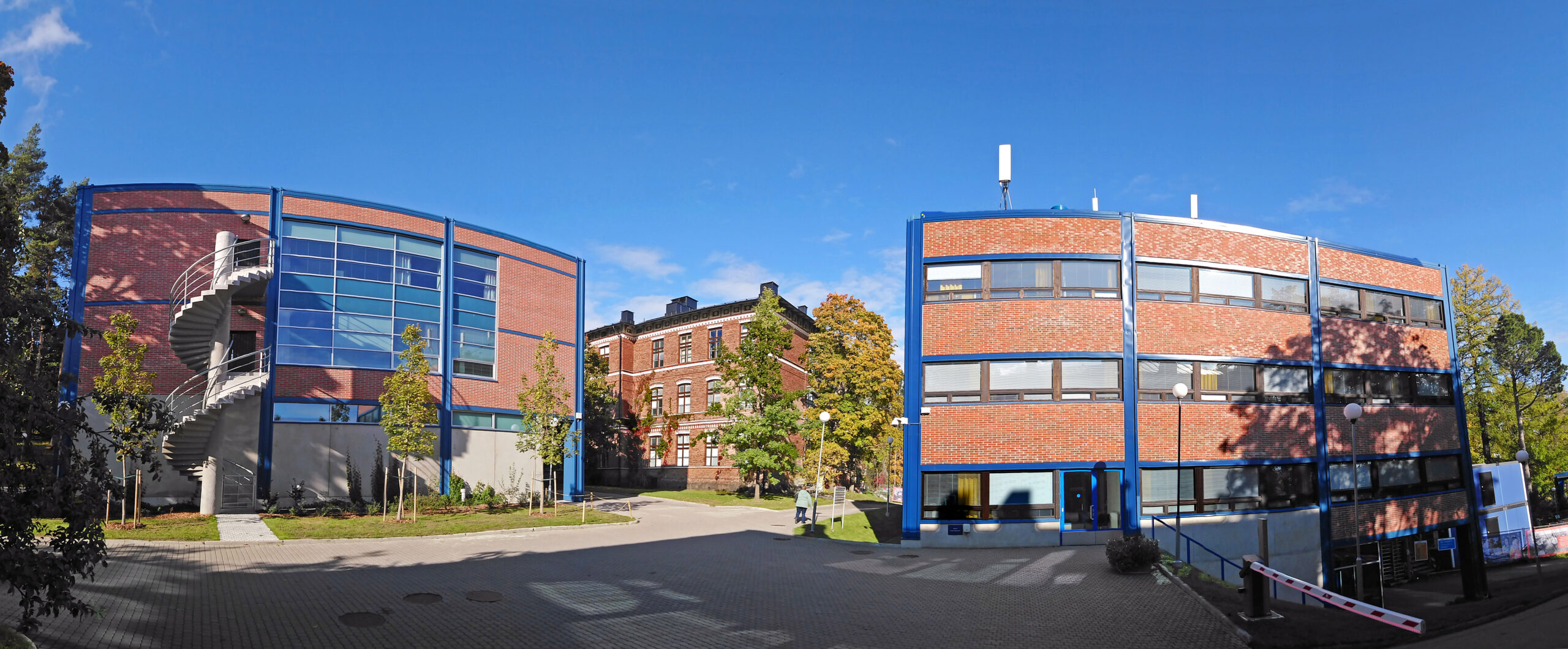
A university has two assets that a course catalogue does not capture: the heritage of its campus and the authority of its researchers. The campus is often already a heritage site. The Seminaarinmäki campus of the University of Jyväskylä is a European Heritage Label site: it runs free guided tours, it has a campus guide book, and its summer festival attracted about 55,000 visitors.
Online, the campus is a facilities page and the research is a repository. Neither is a page that names the building, the architect, the year and the sources, and neither is written for the reader who starts in a chat.
What a page the assistant can cite looks like
A documented place page does for the campus what a guide book does for a visit: the building’s story with its sources, the architect, the date, the map, the photographs with credits, the rooms that matter. A guest post in the archive does the same for a piece of research: the researcher writes it, the sources are in the text, and the article stays in the record.
The archive behind it has been documenting heritage since 1998. A university that publishes its campus and its research there is not advertising; it is putting the material where a student and a model can find it.
What it does not do
It does not recruit students and it does not promise citations. The research and its authorship stay the university’s. It gives the campus and the research a page that can be read, checked and quoted, and it keeps that page after the open day.

Sources
- Clarivate, Students don't want AI to think for them (sintesi di Students Are Sprinting Ahead: What 500 Students Told Us About AI in Academic Work), 30 July 2026: · https://librarytechnology.org/pr/32803/
- EHL Bureau, Blossoming Heritage: Flora's Day and the Summer Season at Seminaarinmäki Historic Campus, 15 May 2025: · https://ehl-bureau.eu/en/blossoming-heritage-floras-day-and-the-summer-season-at-seminaarinmaki-historic-campus/
- Cultural Heritage Online, Guest Post: · https://culturalheritageonline.com/guest-post/
Curated by Stefano Vigolo for Cultural Heritage Online.
Spotted an error? Write to editorial@culturalheritageonline.com and we correct it the same day.