A wall photographed on a date, a treatment noted, a gap you could not fill: the condition record is the evidence everyone asks for after the works.
Conservation is decided on evidence: what the material is doing, what was done to it before, what has changed since the last survey. Without those three things a treatment is an opinion.
The evidence is produced every year in studios, laboratories and placements, and most of it stays in a report nobody outside the building will read.
The record that survives is the published one.
Why a date matters
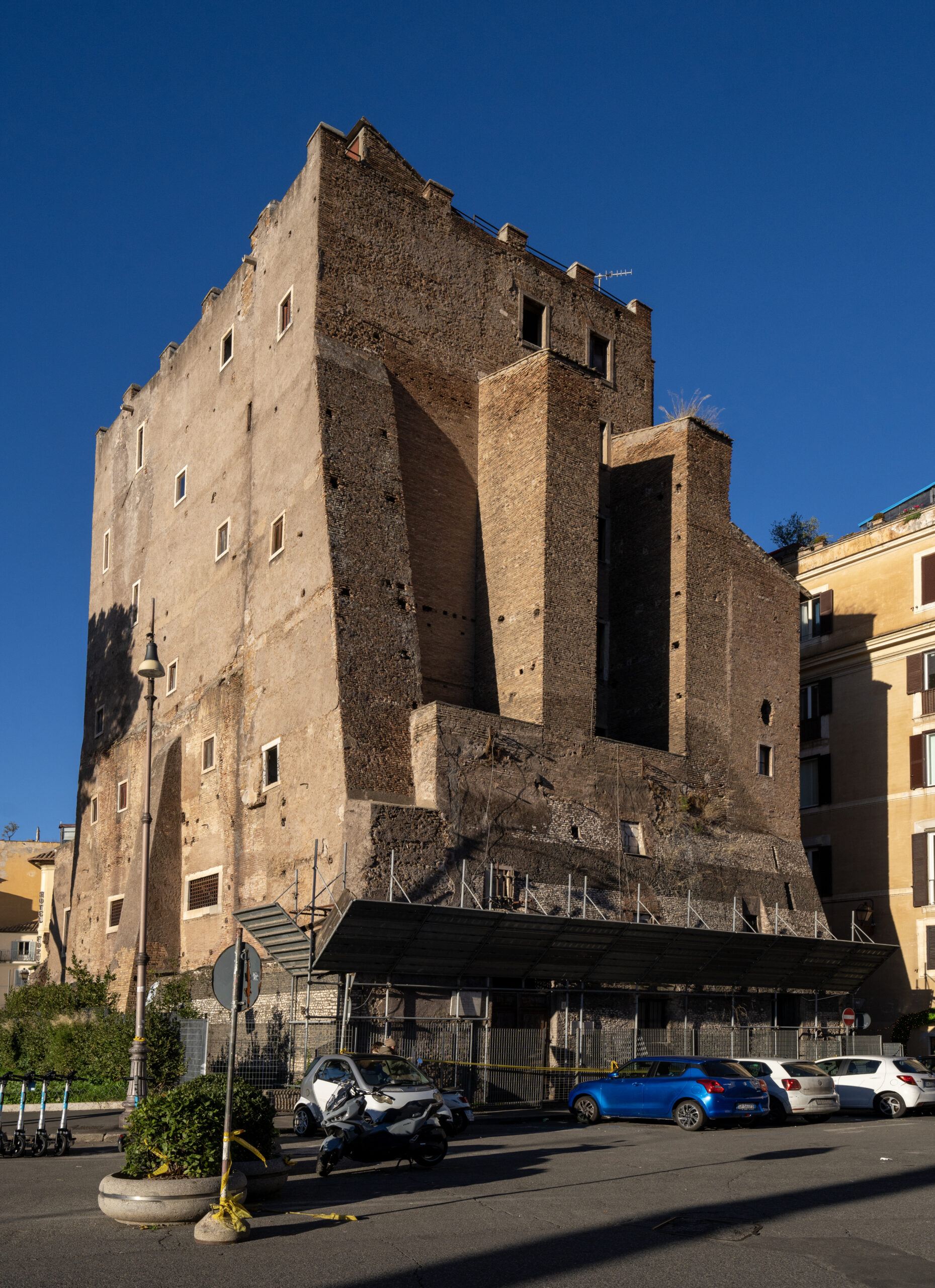
The page on the Torre dei Conti in Rome gives the height that stands today, 29 metres, the 50 to 60 metres the tower once reached, the earthquakes of 1348, 1630 and 1644, and the year it was closed to the public, 2007.
When its central buttress came down in November 2025, during restoration works, that description was already public and dated.
What you can publish
A condition record. Photographs taken on a stated day, from stated points, with the material described. What is moving, what is stable, what has been treated and with what.
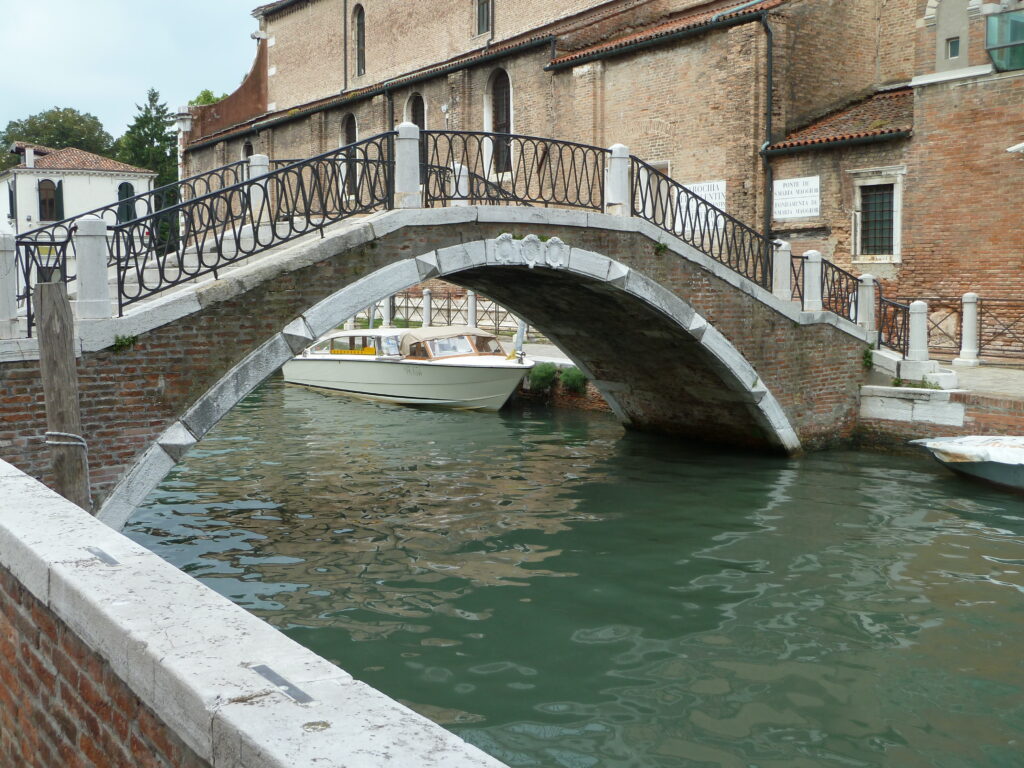
A record of what is not known. The page on the Ponte de Santa Maria Maggiore in Venice says in its own words that no source describes the bridge, its date or its rebuilding. A published gap is a research question with a date on it.
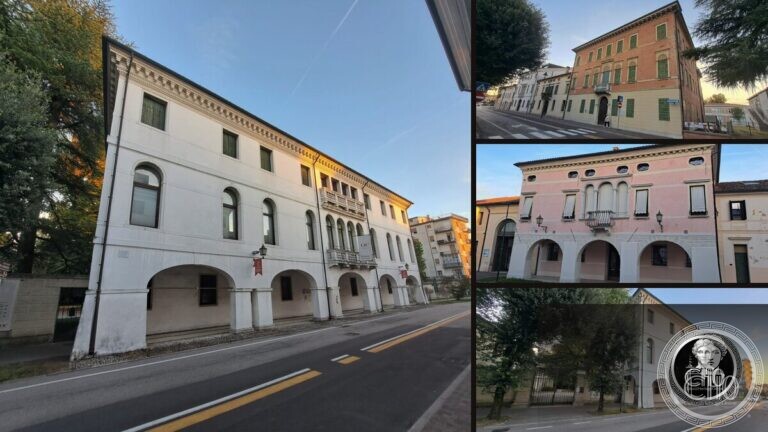
Before and after. The former Casa dello Studente Fusinato in Padua was begun in 1922, opened in 1935, closed for safety in 2005, protected as a national monument in 2016 and is now being restored with eleven million euros from the state. The photographs show it in 2020, before the works.
Where to start
Start on the building you are already working on: a studio project on a historic structure, a placement on a restoration site, a material study, your own department’s building.
You have access, you have a supervisor, and you have a date. Photograph the condition, write what you can establish, and be explicit about what you cannot.
What it does for your record
Employers and doctoral committees ask the same question: can this person look at a building and say what state it is in?
A list of published condition records, each with a place, a date and your name, answers it before the interview. It shows that you document before you intervene.
Two things to know
Who authorises the photographs. A works site has a director and a safety regime: ask before you photograph, and say in the piece who authorised access. In Italy, pictures of state-owned cultural property in a commercial publication can require authorisation and a fee.
Your rights. You keep the copyright of your text and your photographs. Openly licensed images from elsewhere are credited to their authors, and anything that cannot be verified is declined.
Frequently asked questions
Is CHO Academic free?
Yes. A free account is open to anyone and needs no institution. Students and faculty at a partner institution get Operator PRO at no cost: a department code or a recognised institutional address switches it on.
Does it count as a publication?
It is edited, fact-checked and carries the ISSN, so it can be cited. It is not a peer-reviewed article in an indexed journal.

Can I publish photographs of a restoration site?
With the consent of whoever directs the works, and outside the rules that restrict images of cultural property where they apply. Say who authorised access and when the photographs were taken.
What if my conclusion turns out to be wrong?
The Corrections Policy applies to every byline, including yours: a published record can be corrected, and a correction with a date is still a record.
Sources
- Cultural Heritage Online, CHO Academic · https://culturalheritageonline.com/collaborate/academic/
- CHO, Torre dei Conti — the stump of the tower Petrarch called unique in the world · https://culturalheritageonline.com/places/torre-dei-conti-roma/
- CHO, Ponte de Santa Maria Maggiore — the Brick Bridge Below the Prison Wall · https://culturalheritageonline.com/places/ponte-santa-maria-maggiore-venezia/
- CHO, The Former Casa dello Studente Fusinato · https://culturalheritageonline.com/places/casa-dello-studente-fusinato-padova/
- Rai News, «Crollo della Torre dei Conti, la sovrintendenza: verificata l'idoneità statica dell'edificio» (4 novembre 2025) · https://www.rainews.it/video/2025/11/crollo-della-torre-dei-conti-la-sovrintendenza-verificata-lidoneita-statica-delledificio-89929c4d-11db-4a6c-80d9-e58a3238f90c.html
Spotted an error? Write to editorial@culturalheritageonline.com and we correct it the same day.