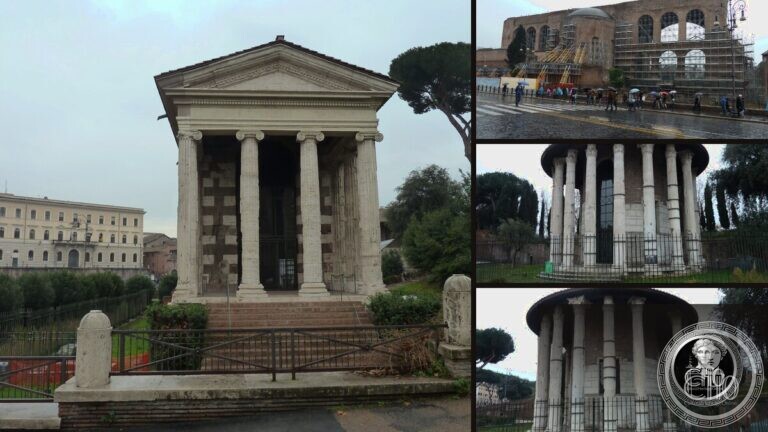
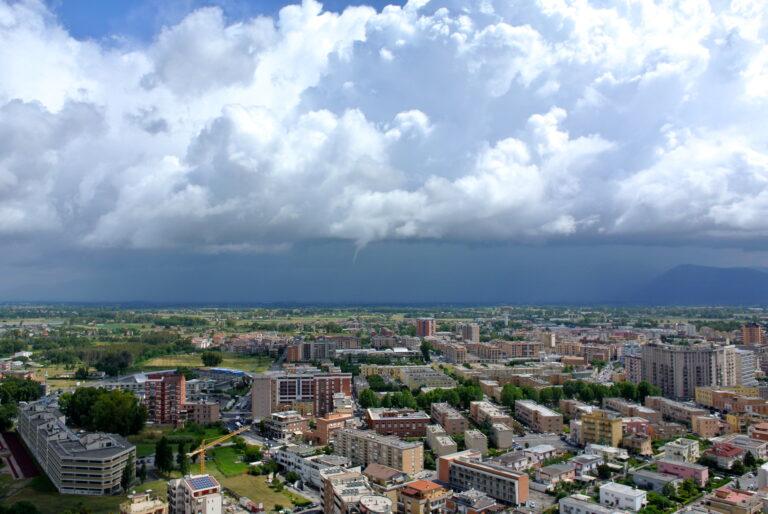
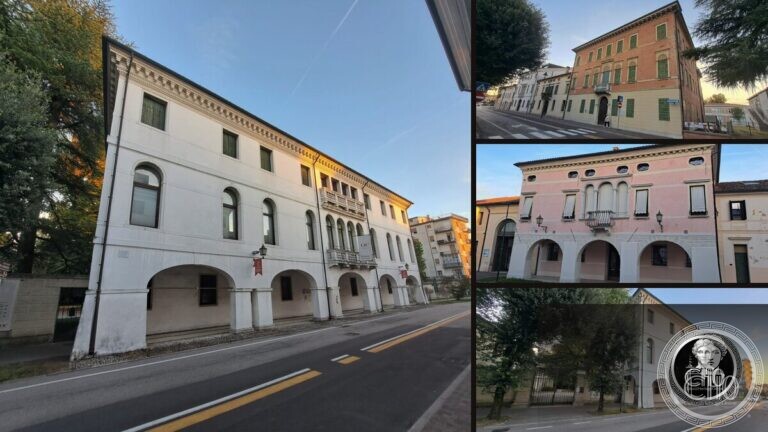
Context sheets, section drawings, photographs of a trench: the record of a dig usually stops at the site archive. CHO Academic gives it a public, dated page under your name.
Archaeology produces more documentation per square metre than almost any other discipline, and publishes less of it.
Context sheets, section drawings, finds lists, a stratigraphic report. A season of excavation ends in an archive that only the next team will read, if there is a next team.
The record is made to professional standards and then stops one step short of being public and checkable. The missing step is a page: dated, signed, linkable.
What you can publish
A site reading. The phases of occupation, what the standing remains are, what was found where, what a visitor should look for.
A condition record. The same wall photographed in 2019 and in 2026, vegetation on a mosaic, the edge of a cliff after a winter of rain. A dated pair of photographs is an argument.
A find in context. One object, the layer it came from, why it changes the reading of the site. Not a catalogue entry: a paragraph.
Two sites already documented this way
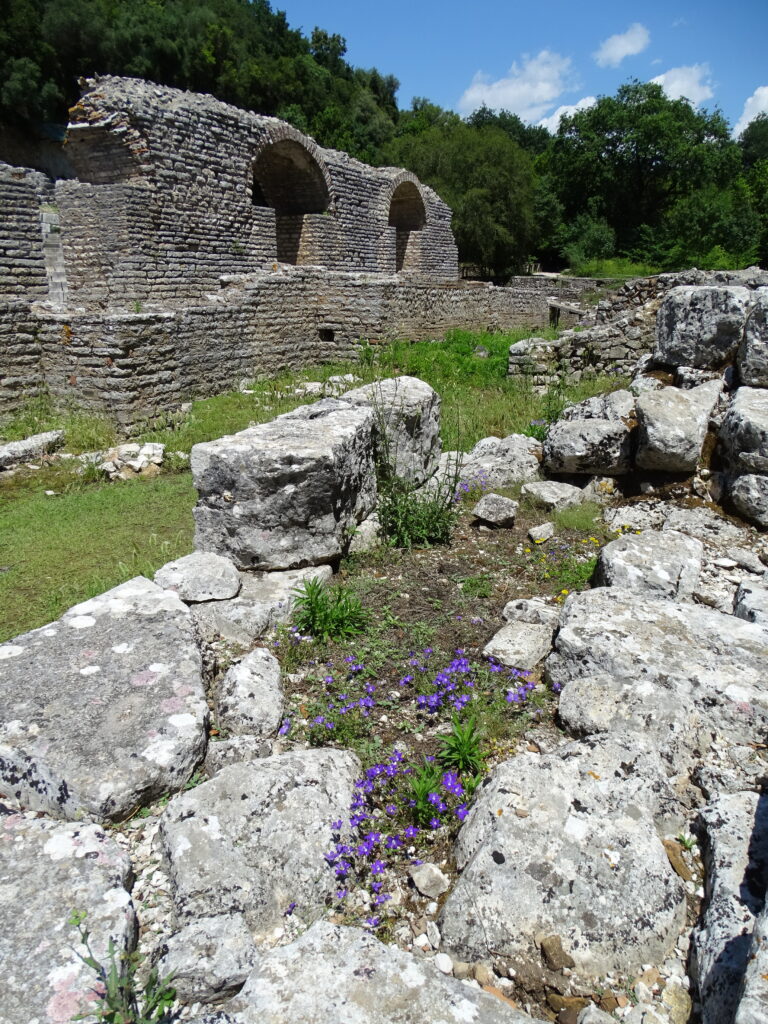
Vindolanda, the Roman fort south of Hadrian’s Wall, is documented with the sequence of rebuilds that preserved its writing tablets. Butrint in Albania follows 2,700 years of occupation on one peninsula.
Both pages do the same thing: they put a dated description of a site where anyone can find it.
Where to start
Start where you already have permission to work: your own excavation, a collection your department curates, a survey you did for a module, a museum store you were allowed into.
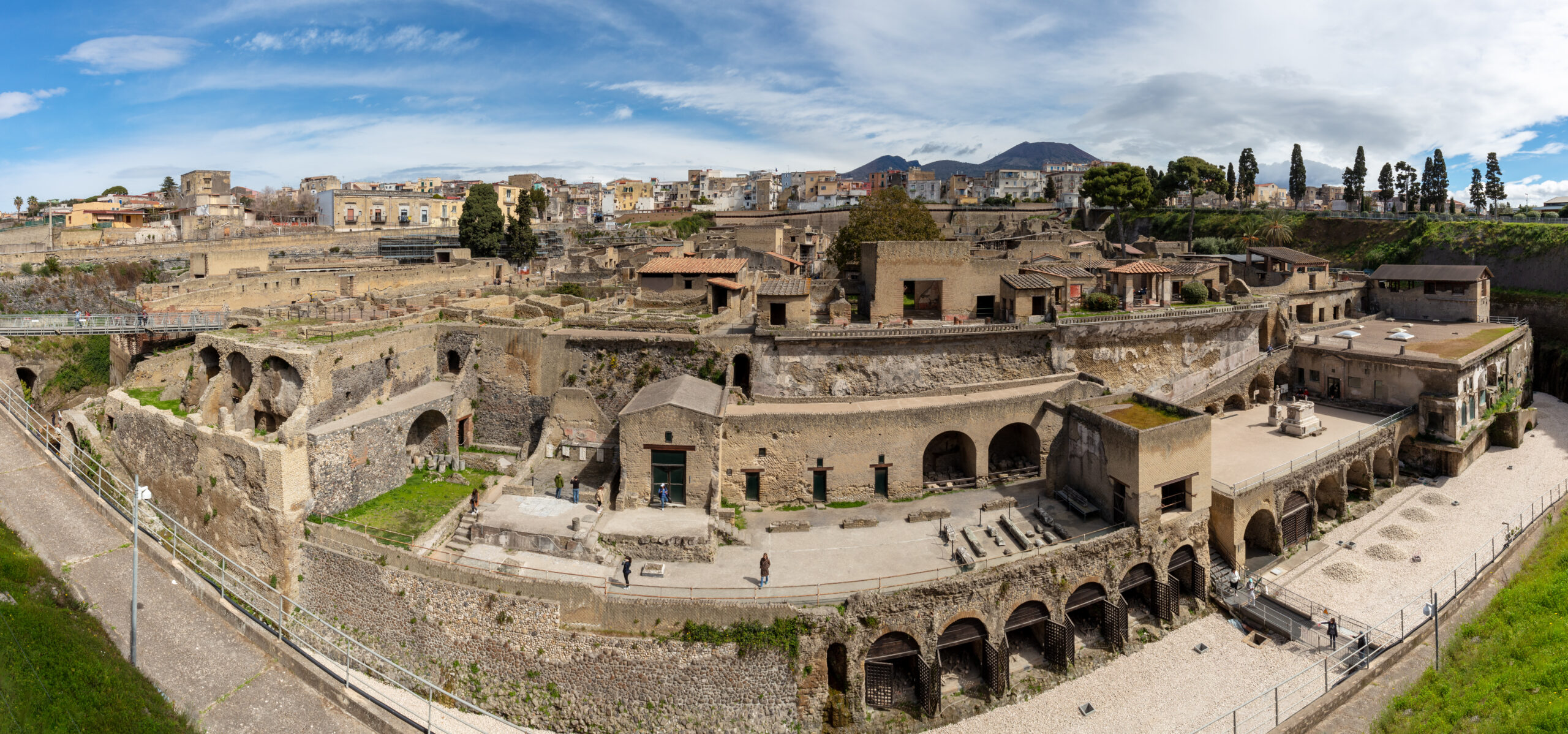
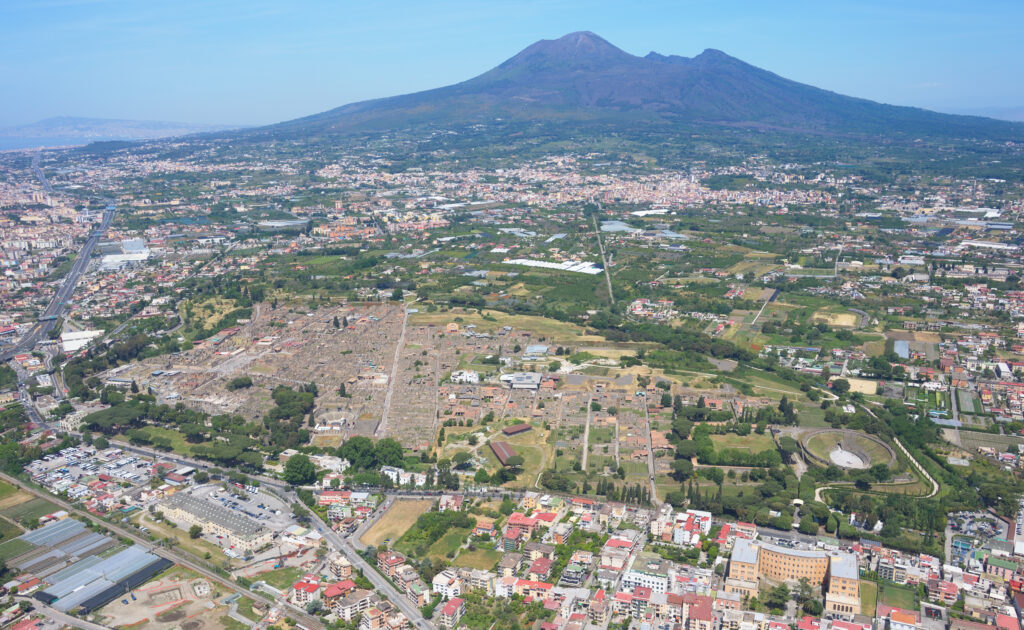
If you worked on a famous site, read the page we already have first. Pompei and the archaeological park of Herculaneum are both in the archive.
What it does for your record
An application for a fieldwork post asks what you have dug and what you can write. A list of published site readings answers both in one click: dates, places, your name, the editors who checked it.
It will not get you a job on its own. It shows that you can turn a trench into a text someone else can follow.
Two things to know
Whose data it is. Unpublished excavation data belongs to the excavation director or the concession holder, and it is not published here without their consent. Ask before you write, and say in the piece who holds the permit.
Coordinates and images. For sites that are not guarded, precise coordinates are not published. In Italy, pictures of state-owned cultural property in a commercial publication can require authorisation and a fee.
Frequently asked questions
Is CHO Academic free?
Yes. A free account is open to anyone and needs no institution. Students and faculty at a partner institution get Operator PRO at no cost: a department code or a recognised institutional address switches it on.
Does it count as a publication?
It is edited, fact-checked and carries the ISSN, so it can be cited. It is not a peer-reviewed article in an indexed journal.
Can I publish material from an excavation I worked on?
With the consent of the excavation director or the concession holder. They hold the data until it is published, and the page says who authorised it.
Who owns the copyright?
You keep the copyright of your text and your photographs. The licence you grant to CHO is described on the CHO Academic page.
Sources
- Cultural Heritage Online, CHO Academic · https://culturalheritageonline.com/collaborate/academic/
- CHO, Vindolanda · https://culturalheritageonline.com/places/vindolanda/
- CHO, Butrint — 2,700 Years of History Layered on a Lagoon Peninsula · https://culturalheritageonline.com/places/butrint/
- CHO, Pompei · https://culturalheritageonline.com/places/pompei-eruzione-vesuvio-79-ce-villa-dei-misteri-anfiteatro-70-bce-foro-via-dell-abbondanza-unesco-1997/
- CHO, Herculaneum Archaeological Park · https://culturalheritageonline.com/places/parco-archeologico-ercolano-herculaneum-79ce-vesuvio-campania-unesco-1997/
Spotted an error? Write to editorial@culturalheritageonline.com and we correct it the same day.