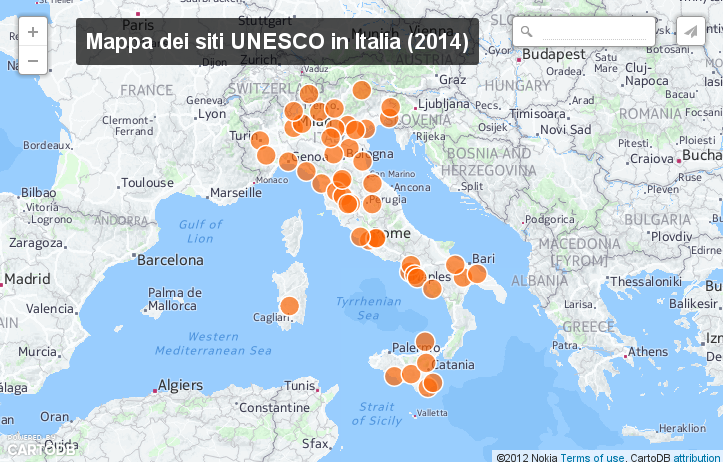
In June 2018, Italy’s tally of UNESCO World Heritage sites expanded to fifty with the addition of three Piedmont landscapes: the Langhe, Monferrato, and Roero regions in Lower Piedmont. Italy holds the distinction of having more sites on UNESCO’s World Heritage list than any other nation, recognized for their outstanding natural beauty, historical significance, and artistic value.
The full list of fifty sites
Italy’s UNESCO designations span the country and its history. They include rock engravings in Valcamonica; Leonardo da Vinci’s “Last Supper” at Santa Maria delle Grazie in Milan; the historic centers of Rome, Florence, Naples, Siena, Urbino, and Verona; Venice and its lagoon; Pisa’s Piazza del Duomo; San Gimignano; the Sassi district and rupestral churches of Matera; Vicenza and the Palladian villas of the Veneto; Ferrara; Ravenna’s paleochristian monuments; Pienza; Alberobello’s trulli; Caserta’s Royal Palace and Vanvitelli aqueduct; Agrigento’s archaeological areas; Pompeii, Herculaneum, and Torre Annunziata; Padua’s Orto Botanico; Modena’s cathedral, civic tower, and grand square; the Amalfi Coast; Portovenere, Cinque Terre, and the islands of Palmaria, Tino, and Tinetto; and the Savoy residences.
Additional sites include Barumini’s Su Nuraxi; the Villa Romana del Casale; Aquileia’s archaeological area and patriarchal basilica; the Cilento National Park and Vallo di Diano with Paestum, Velia, and the Padula Certosa; Assisi’s Basilica of San Francesco; the Eolie Islands; Villa d’Este and Villa Adriana at Tivoli; the late-Baroque cities of southeastern Sicily’s Val di Noto; the Sacri Monti of Piedmont and Lombardy; Monte San Giorgio; the Etruscan necropolises of Cerveteri and Tarquinia; Val d’Orcia; Syracuse and Pantalica’s necropolis; Genoa’s Strade Nuove and palazzo systems; Mantua and Sabbioneta; the Rhaetian Railway in the Albula and Bernina landscapes; the Dolomites; Lombard sites of power (568-774 CE); prehistoric Alpine pile dwellings; the Medici villas and gardens in Tuscany; and Mount Etna.
Frequently asked questions
How many UNESCO World Heritage sites does Italy have?
Italy has fifty UNESCO World Heritage sites, the highest number of any nation.
When were the Langhe, Monferrato, and Roero added?
These three Piedmont landscapes were inscribed on June 22, 2018.
What types of sites are included?
Italy’s designations encompass archaeological areas, historic city centers, religious monuments, natural landscapes, architectural complexes, and villas recognized for their outstanding universal value.
Sources
- S1 — Settis, Salvatore. Italia S.p.A.. L'assalto al patrimonio culturale. Einaudi, 2002. ISBN 978-88-06-16973-2.
- S2 — Casarin, Francesco. Il marketing dei musei e delle istituzioni culturali. Il Mulino, 2019. ISBN 978-88-15-28514-0.
Spotted an error? Write to editorial@culturalheritageonline.com and we correct it the same day.