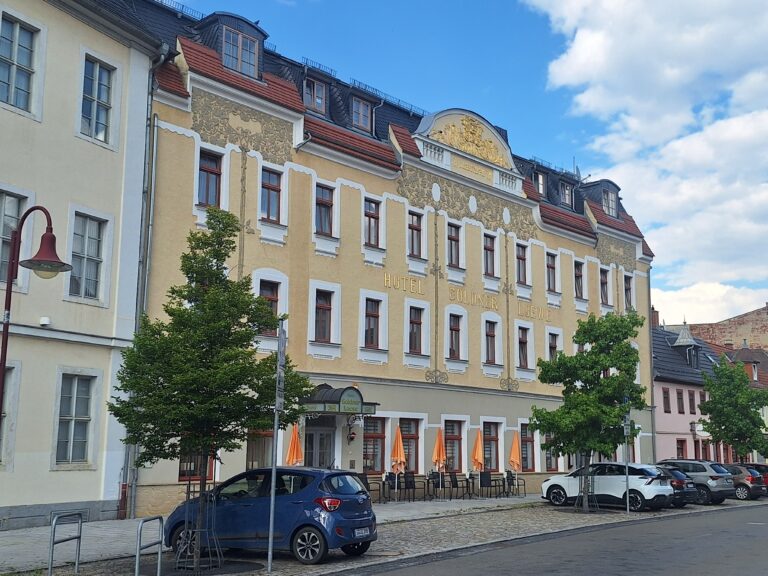
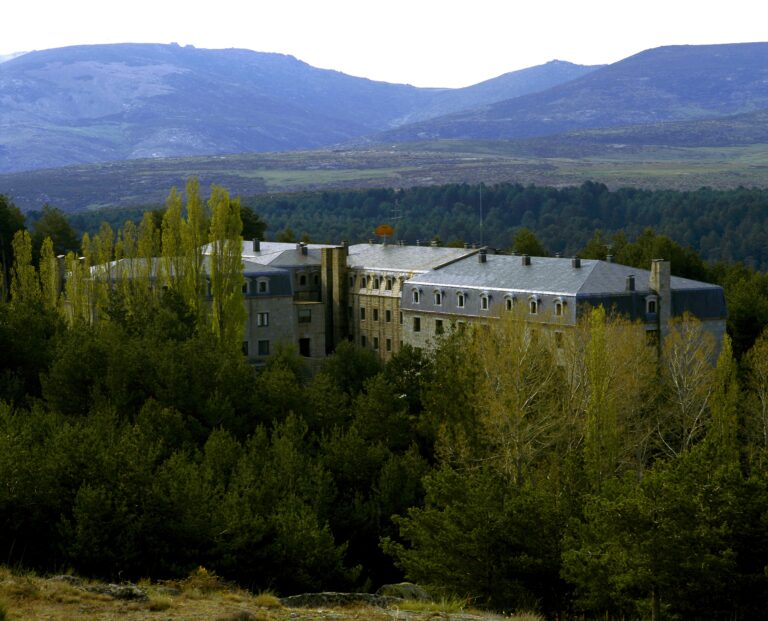
A traveller reads about a building, the church around the corner, the quarter, and the page is a place card in the archive. Where the hotel is, the card can carry a panel: the hotel's name, its link, its route. It is not a banner and it is not an OTA listing; it is the hotel inside the page about the place.
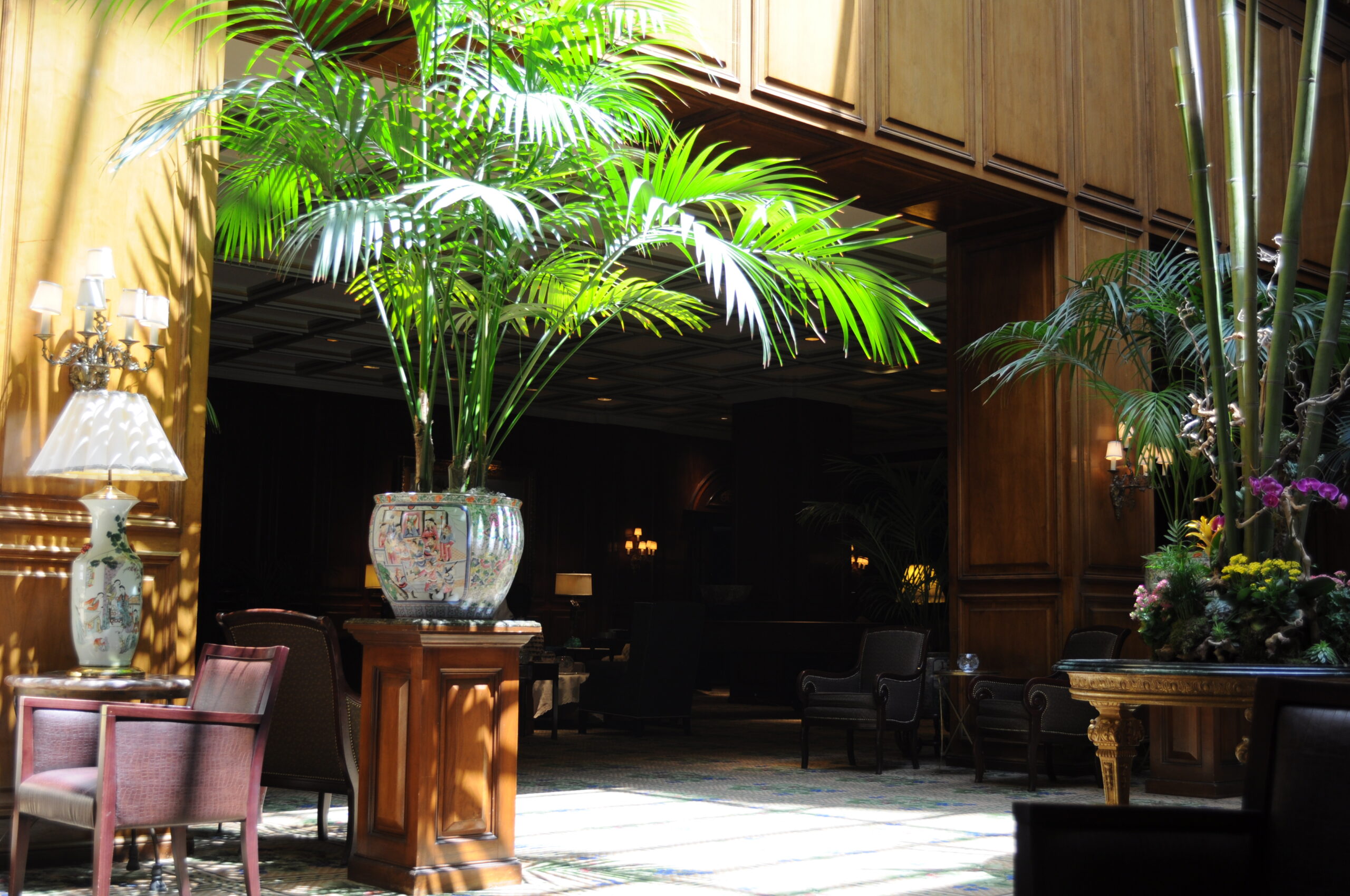
The page the traveller reads
A booking site shows a room and a rate. The place card shows the building: the architect, the year, the street, the photographs, the sources. A traveller who is deciding where to stay in a historic quarter reads that second page before asking about a room, and the page is where the hotel can be present.
The booking site is not the enemy. In 2025 the OTAs took 63.4% of bookings, and commissions run 15 to 25% per booking. The point is the mix: there is a page where the traveller is reading about the building, and the hotel can be on it.

What the panel is
The panel is a named block on the place cards near the hotel, for twelve months. It carries the hotel’s name and its booking link, where the traveller is already reading. The Landmark plan, $595 a year, adds a twenty-stop route about why the building matters, a route that carries the hotel’s name, printable for the room and embeddable on the hotel’s site, and three articles a year, one a quarter.
The Patron plan, $1,750 a year, adds category exclusivity for the area: the partner place in that part of the city is the hotel’s, and nobody else’s.

What it changes
A pin on a map tells the traveller where the hotel is. A panel on the place card tells the traveller what the hotel is part of. The difference is the question the traveller is asking: not “where do I sleep” but “what is this building, and what is around it”. A hotel that answers the second question is remembered before the first one is asked.

What it does not do
It does not promise bookings, and it does not touch the hotel’s rates or its booking engine. It puts the hotel on a page that the hotel does not have to write, and that the archive keeps after the season.
Sources
- Cultural Heritage Online, Founding Partner: · https://culturalheritageonline.com/founding-partner/
- Cloudbeds, 2026 State of Independent Hotels Report (via Irish Hotels Federation): · https://www.ihf.ie/suppliers/resources/content/2026/cloudbeds/hidden-cost-ota-dependence
- Cultural Heritage Online, Places: · https://culturalheritageonline.com/places/
Curated by Stefano Vigolo for Cultural Heritage Online.
Spotted an error? Write to editorial@culturalheritageonline.com and we correct it the same day.