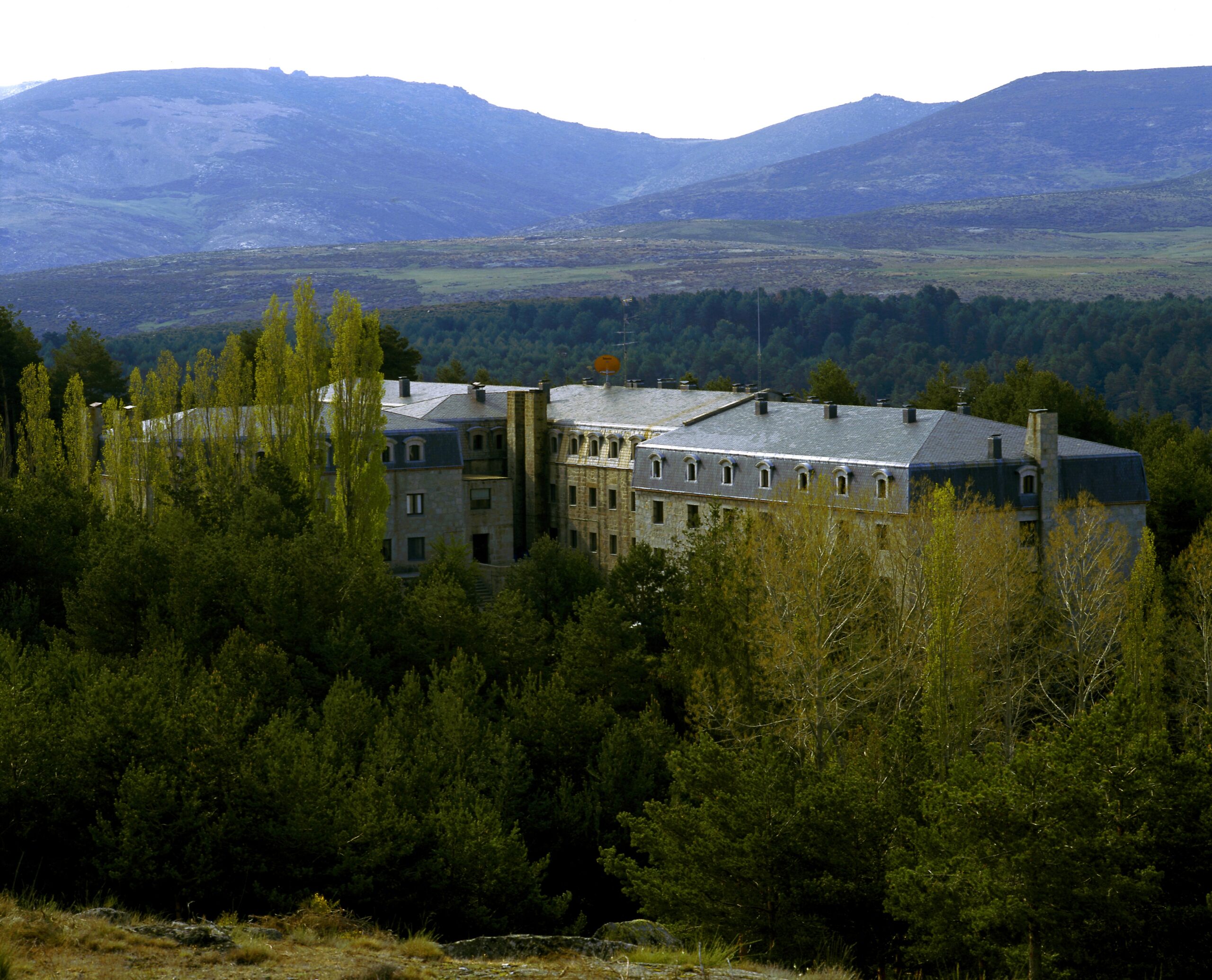
On October 9, 1928, amid the granite crags and pine forests of the Sierra de Gredos, King Alfonso XIII officially inaugurated the Parador de Gredos. Conceived by cultural visionary Benigno de la Vega-Inclán, the Royal Tourism Commissioner, Paradores established a revolutionary state enterprise: rescuing medieval castles, abandoned monasteries, and renaissance palaces from ruin and converting them into world-class luxury hotels to finance the preservation of Spain’s national cultural heritage.
The Gredos Catalyst: The Road to National Cultural Rebirth
In the early twentieth century, Spain’s architectural treasures—isolated Romanesque monasteries, fortress castles, and ducal palaces—faced widespread decay and abandonment due to rural depopulation and lack of state preservation funds. In 1910, the Spanish government appointed Benigno de la Vega-Inclán (1858–1942), the 2nd Marquis of Vega-Inclán, as Royal Commissioner for Tourism, charged with projecting Spain’s magnificent humanist identity to international visitors.
Recognizing that tourists required comfortable, dignified lodging along remote scenic highways, King Alfonso XIII personally chose a site high in the Sierra de Gredos in Ávila. Constructed from local granite masonry with traditional Castilian timber ceilings and hand-forged wrought iron, the Parador de Gredos opened in October 1928. It became the sovereign prototype of a state network that proved heritage preservation could be self-financing and economically transformative.
A Living Museum Network: From Alfonso XIII to Modern UNESCO Landmarks
Following the triumph of Gredos, Paradores expanded systematically across Spain, converting masterpieces like the Hostal de los Reyes Católicos in Santiago de Compostela, the Moorish fortress of Carmona, and the Alhambra Palace Convent in Granada into monumental sanctuaries of hospitality. In 1978, the historic Parador de Gredos entered modern political history when Spain’s founding constitutional “Fathers” (*Ponentes*) met in its quiet library to draft the 1978 Spanish Democratic Constitution.
Today, Paradores de Turismo encompasses ninety-seven historic properties, operating as a globally studied benchmark of sustainable cultural heritage conservation. Approaching its centenary in 2028, Paradores stands as the ultimate synthesis of architectural preservation, regional gastronomy, and timeless luxury hospitality.
Treni popolari ed escursioni turistiche nei monumenti storici
Immagini d'archivio storico dell'Istituto Luce che testimoniano la nascita del turismo culturale europeo, i viaggi d'istruzione e la valorizzazione dei castelli e dei borghi d'arte negli anni Venti e Trenta. (Fonte: Archivio Storico Istituto Luce Cinecittà)
Interactive 360° Heritage View: Parador de Gredos (First Historic Parador in Spain, 1928)
Historical Location: Carretera AV-941, km 10, 05635 Navarredonda de Gredos, Ávila, Spain (Coordinates: 40.3608, -5.1764)
Sources
- S1 — Rodríguez, Manuel. Historia de la Red de Paradores de Turismo de España. Sílex Ediciones, 2008. ISBN 978-84-7737-204-2.
- S2 — Pellejero Martínez, Carmelo. Historia del turismo en España en el siglo XX. Editorial Síntesis, 2002. ISBN 978-84-7738-963-7.
Spotted an error? Write to editorial@culturalheritageonline.com and we correct it the same day.