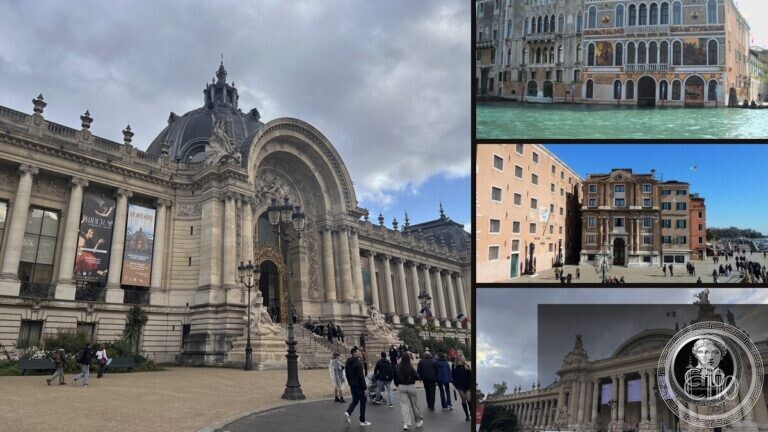
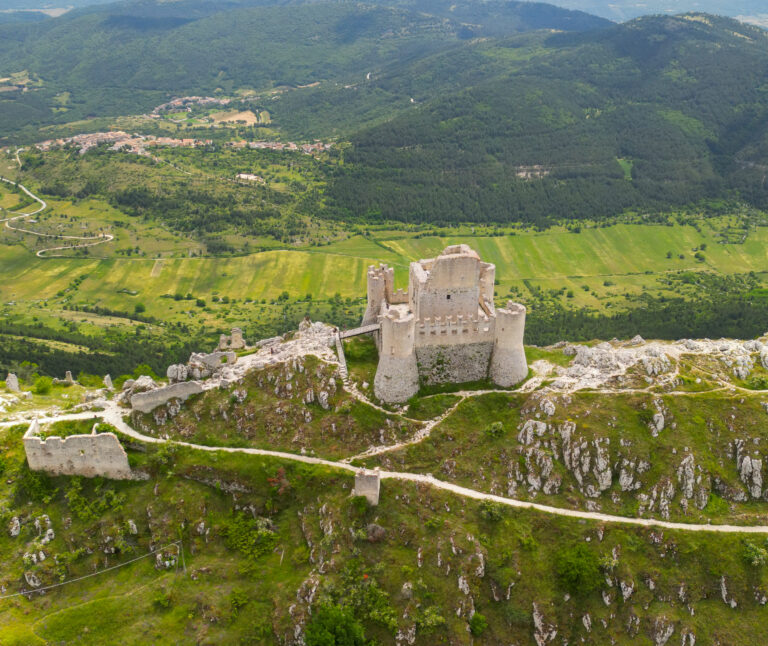
A photographer climbs a hill, waits for the light, photographs a church, and uploads the file. From that moment the photograph is a stock item: a percentage of a price set by someone else, a download that can pay ten cents, a credit that may or may not survive the crop. The place in the photograph has a page; the photograph usually does not.
What a download actually pays
The published numbers are not generous. Adobe Stock pays 33% on images; Shutterstock runs from 15% to 40% across six levels, resets every January and has a $0.10 floor per download; Alamy pays up to 50% of a direct sale, moved to a four-tier structure on 1 September 2026 and raised its payout threshold to $75. Adobe’s own worked example is $0.99 for one photo on a $29.99 plan of ten licences. Across the published figures, a single download can pay from half a cent to about two dollars, and the percentage tells you very little about which end you will land on.
The credit is part of the work
A photograph of a place carries three facts: who took it, when, and where. In a media library the first two are often lost, and the third becomes a caption someone will rewrite. A heritage page can do the opposite: the name in every caption, the watermark on the preview, the clean high-resolution file only to the buyer.

Sold where it is read
The model we use is simple. The photograph is published on the page of the place it shows, credited by name. A reader can buy a digital licence right there; the seller is the archive, which runs the payment and the tax and delivers the file. The photographer receives 70% of the price net of tax, about €1.70 on a €3 licence. The licence is non-exclusive: the archive stays the photographer’s, and the same work can be sold elsewhere.
The context is the 28-year archive. A photograph on the page of a place is not a file in a library; it is the image a reader sees while reading about the building.
What it does not do
It does not promise sales. It does not take the copyright, and it does not stop the photographer from selling the same work elsewhere. It changes where the photograph is sold and how much of the price comes back.
Sources
- NoSystem Images, What One Stock Download Actually Pays, PixTagger, 18 August 2026: · https://stockpixtagger.com/blog/stock-photo-royalty-rates-per-download
- Cultural Heritage Online, For Photographers: · https://culturalheritageonline.com/collaborate/photographers/
Curated by Stefano Vigolo for Cultural Heritage Online.
Spotted an error? Write to editorial@culturalheritageonline.com and we correct it the same day.