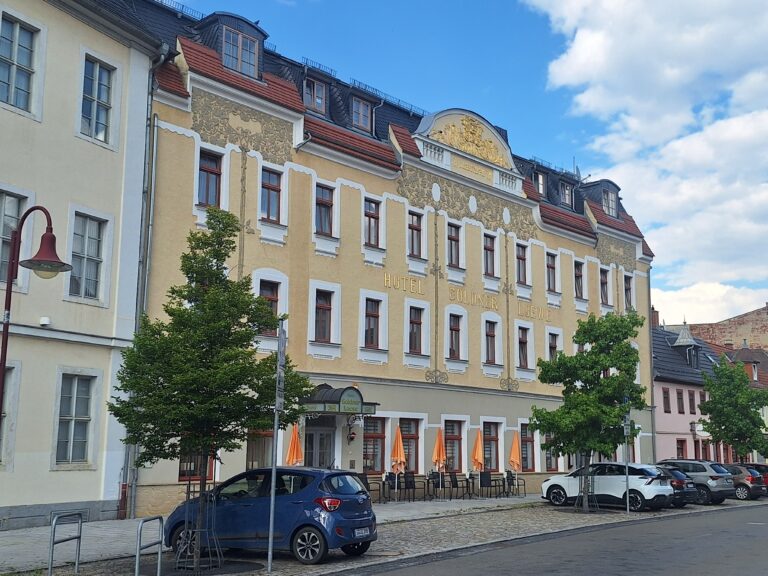
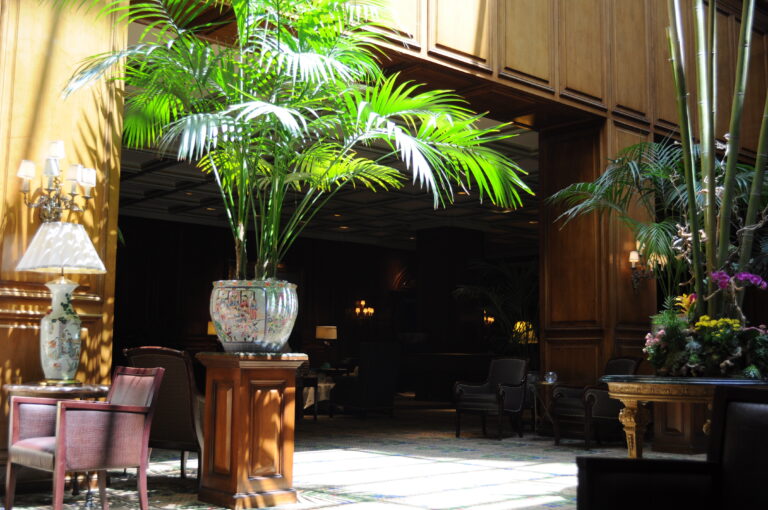
A traveler wakes up and searches for lunch near the neighborhood. Google Maps answers with a pin, a menu, a rating and a few reviews. If the restaurant is a historic café, the thing that makes it different, the room, the century, the people who sat there, is not in the answer. The decision is made in that moment, and the room is not part of it.

The decision has moved to the morning
A 2026 analysis of tourist restaurant discovery puts Google Maps and Google Search at about 40% of decisions, AI assistants at about 15% and rising fast, Instagram at about 15%, TripAdvisor at about 10% and hotel concierges at about 10%. Most decisions are made on the morning of, between 40% and 50%, or in the mid-afternoon, between 20% and 30%, not weeks in advance.
The consequence for a historic restaurant is precise: the moment of choice is a search result, and the search result carries the menu and the rating, not the room.
What the pin does not carry
A historic café or restaurant has an asset that a chain cannot copy: the year, the room, the founder, the regulars, the writer who wrote a book at that table. Google’s listing has a name, an address, hours, photographs and reviews. It does not have the century.
The AI assistants that now take a share of the decisions answer from pages they can read. A restaurant with no page that names its history, its building and its sources gives the model nothing to cite. The model describes the menu.

The reservation has a price
A 2026 benchmark of 16 reservation platforms found that 5 charge per-cover or commission fees, 8 are flat-rate, and 6 publish no price at all. OpenTable lists about $0.25 per cover from the restaurant’s own website and about $1.00 per cover from its network, plus a subscription from about $149 a month. The diner from the network is rented; the diner who found the restaurant through the place is not.
The room on the page of the place
A documented place page gives the room a page in the archive: the building’s story with its sources, the map, the photographs with credits, the quarter. The restaurant’s panel sits on the place cards around it, for twelve months, where the traveler is already reading about the building. When the traveler asks an assistant about the neighborhood, the page is something the model can cite.
The archive behind it has been documenting heritage since 1998.

What it does not do
It does not fill tables and it does not promise covers. The menu, the prices and the service stay the restaurant’s. It makes the room discoverable at the moment the decision is made, and it keeps the page alive after the season.

Sources
- Ibrahim Anjro, How Tourists Find Restaurants: The 2026 Discovery Process, Intermenu, 3 May 2026: · https://intermenu.io/en/blog/how-tourists-find-restaurants-2026-discovery-process
- Restaurant Booking Fee Benchmark 2026, Restaurant Booking System: · https://restaurantbookingsystem.com/tools/restaurant-booking-fee-benchmark/
- Cultural Heritage Online, Founding Partner: · https://culturalheritageonline.com/founding-partner/
Curated by Stefano Vigolo for Cultural Heritage Online.
Spotted an error? Write to editorial@culturalheritageonline.com and we correct it the same day.