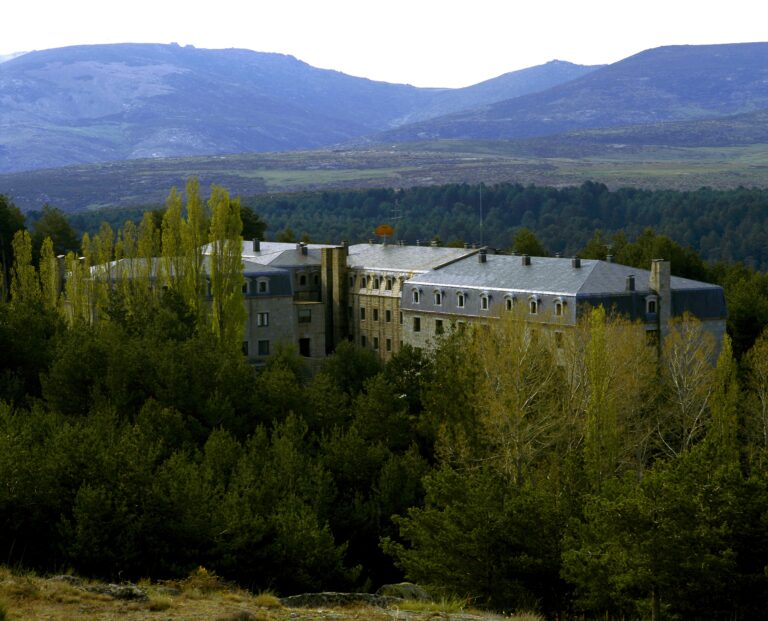
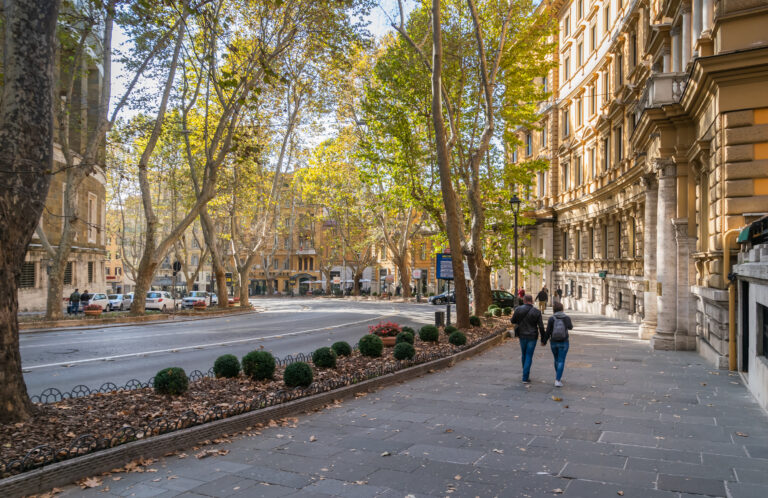
Someone planning a weekend types “historic hotel” and a city into a search box. The answer is a row of cards: a rate, a star rating, a photograph of a bed. The building, the reason they typed “historic”, is not in the answer. Open the hotel’s own site and the story is often a short paragraph and one old photograph, filed under “About”. That is not a design problem. It is a distribution problem, and it has a price.

The channel that brings the guests is the one that cancels most
The 2026 State of Independent Hotels report, published by Cloudbeds and built on 90 million bookings across 180 countries, puts the OTAs at 63.4% of bookings in 2025, close to 80% in some markets. The commission is 15–25% per booking. The same dataset measures something operators rarely see on a statement: OTA bookings were cancelled at 21.8%, against 10.6% for direct bookings. In the same year, independent hotels’ average daily rate fell 5.8% and revenue per available room fell 5.4%.
The conclusion is not that OTAs are the enemy. At 63% they bring demand an independent hotel cannot replace overnight. The conclusion is about the mix: a channel that takes a quarter of the revenue and cancels twice as often is a channel worth needing less.
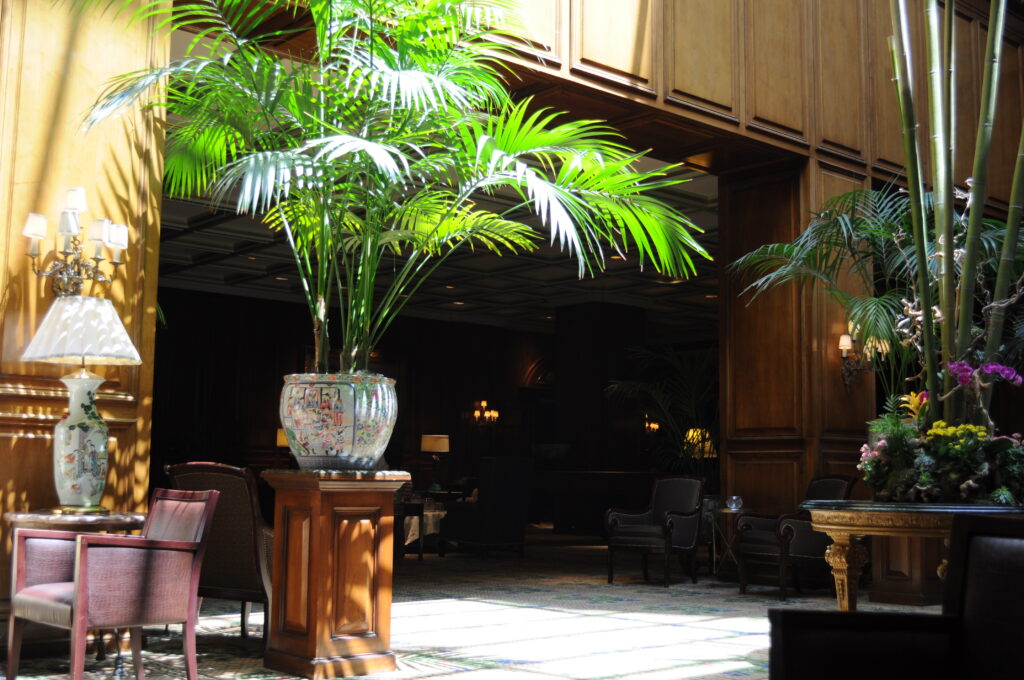
The asset nobody publishes
A chain can copy a rate, a rooftop bar, a photograph of a bed. It cannot copy the year the building went up, the architect who designed the facade, the bank that used to be the lobby, the fire, the restoration, the guest who slept in room 214. Those are named things (people, dates, styles, events), and named things are what search engines and AI assistants already understand and connect.
A page that names them, with sources, is legible to a machine in a way that “spacious rooms in a convenient location” is not. It is also the kind of page that a local historical society, a university archive or an architecture publication will link to, because those are the pages they link to. Generic room descriptions are not.
The traveler who searches for “the oldest hotel in the city”, or for a Liberty facade, or for the building a novelist stayed in, is not shopping on price. They are choosing an experience, and they are a direct-booking prospect rather than an OTA bargain hunter.
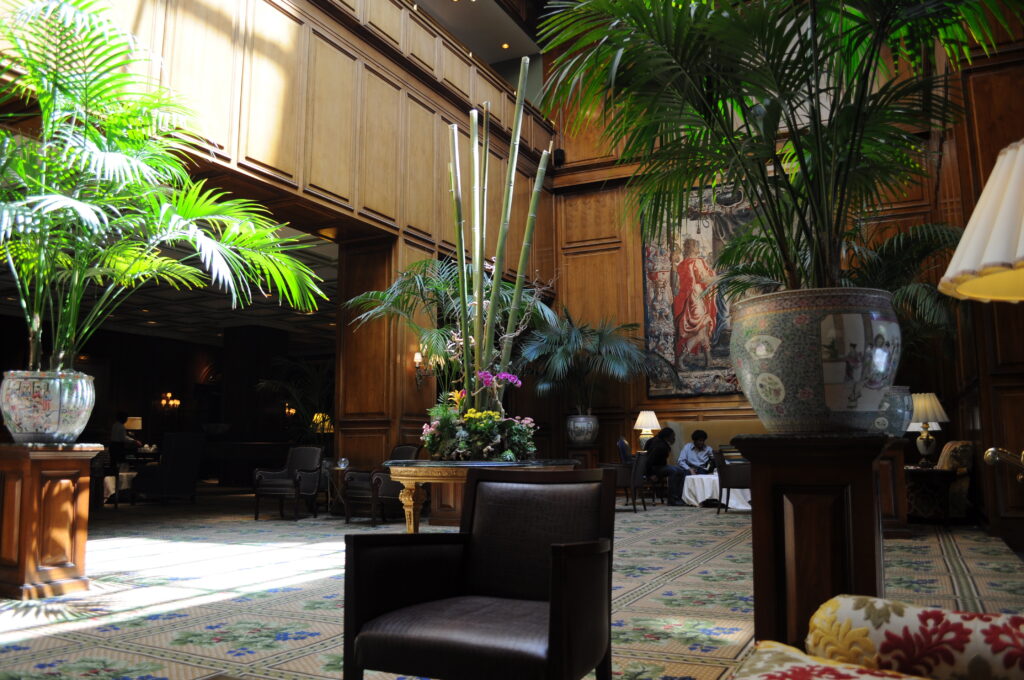
What a documented place page contains
A place page in the archive is not a brochure. It carries the building’s story with its sources; the architect, the year, the style; the map; the photographs, each with its credit; the neighborhood; and the facts a reader can check. The archive behind it has been documenting heritage since 1998, which is why a page can be written from documents rather than adjectives.
For a hotel, the page sits next to a panel on the place cards around it, for twelve months, where the traveler is already reading. That is the part an OTA cannot sell: the moment when someone is reading about the building, not comparing its rate.

What it does not do
It does not replace the OTA, and it does not promise bookings. A heritage page is not immediate: it has to be written, sourced and indexed, and in a competitive city it takes months. What it does is shift the mix. The guest who chose the building finds the page about the building, and books there.
The first step is small and concrete: write the building’s story down, with its sources. That is the work. Everything else (the map, the panel, the search) follows from it.
Sources
- Cloudbeds, 2026 State of Independent Hotels Report (via Irish Hotels Federation): · https://www.ihf.ie/suppliers/resources/content/2026/cloudbeds/hidden-cost-ota-dependence
- HotelSEO Lab, Historic Hotel Marketing: Mining Your Building's Past for Search Traffic and Bookings, 8 February 2026: · https://hotelseolab.com/blog/historic-hotel-heritage-marketing
- Cultural Heritage Online, Founding Partner: · https://culturalheritageonline.com/founding-partner/
- Cultural Heritage Online, Guest Post: · https://culturalheritageonline.com/guest-post/
Curated by Stefano Vigolo for Cultural Heritage Online.
Spotted an error? Write to editorial@culturalheritageonline.com and we correct it the same day.