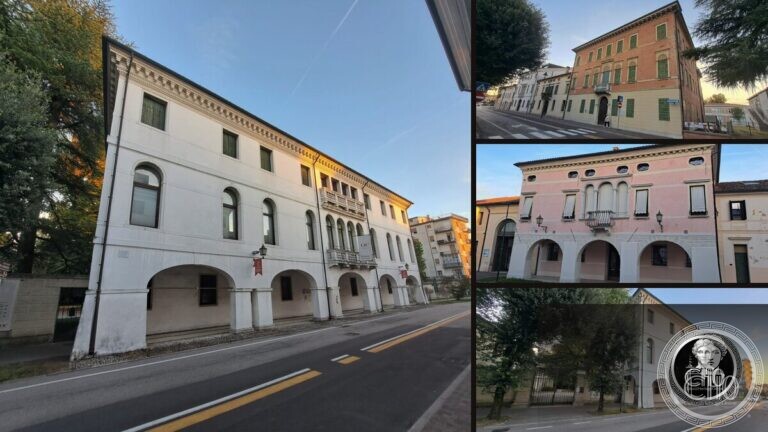
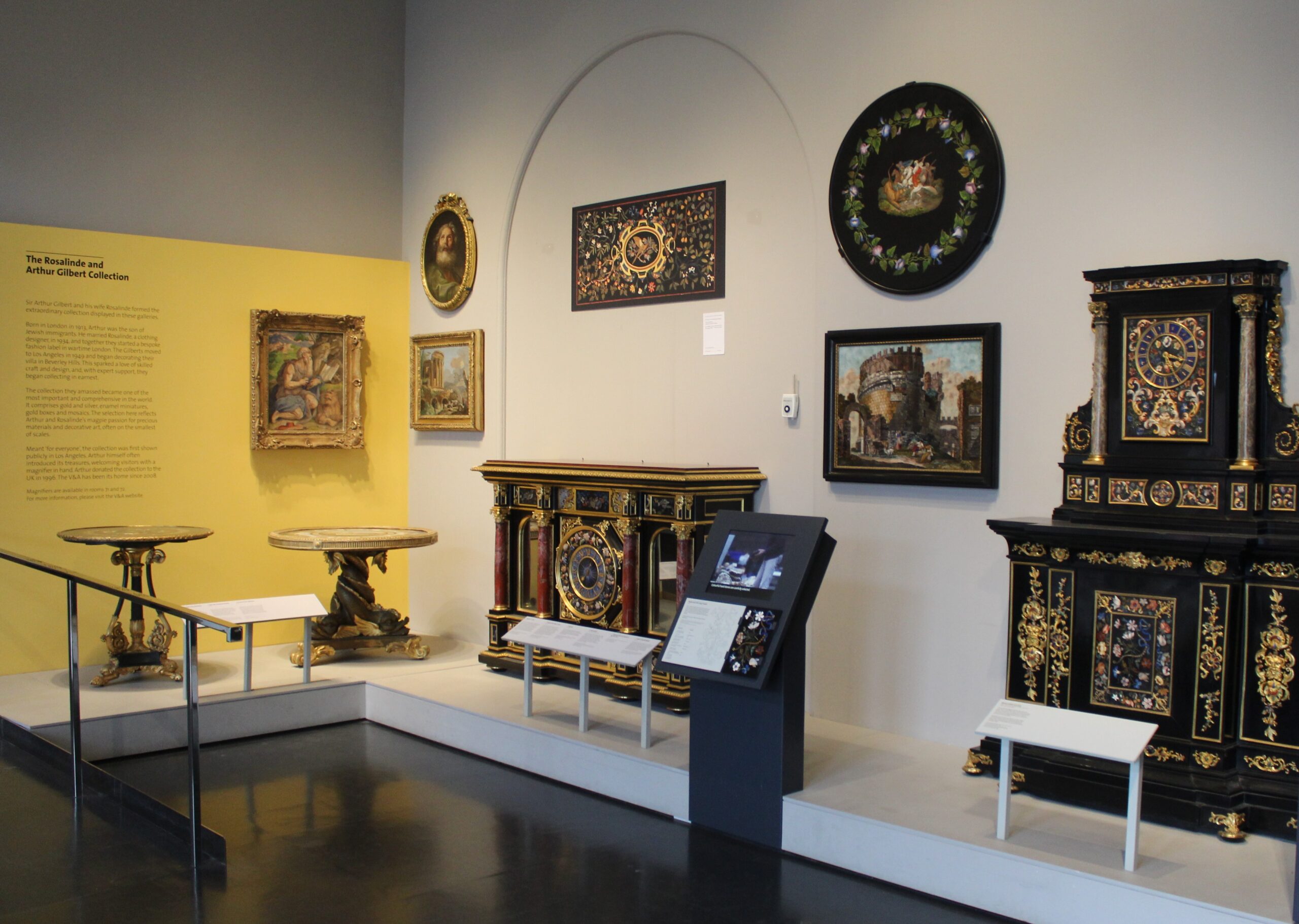
A foundation prepares an exhibition, writes a press release, gives two interviews, and the season ends. The research behind the exhibition, the provenance of the works, the story of the room where they were shown, has no page that outlives the opening. A guest post is that page: an editorial article in the archive, written with the foundation, published once and kept.
The temporary exhibition, the permanent page
An exhibition is a date. A press release is a news item. Neither is a page that answers a question two years later, when a researcher, a student or an assistant asks about the collection. A guest post is written to be that page: 1,200 to 1,800 words, an editorial review with a source check, and a permanent URL in the archive.
What the page carries
The article is in English, in the archive, with the author’s byline and a link to the institution. It carries structured markup for search and AI systems, cross-links from the place cards and the magazine articles that relate to it, and links into the archive.
It is not a press release in disguise: it is an article that has to stand on its own, and the editorial team can reject a draft that does not. If the draft is rejected after the proposal is accepted, the amount is refunded.
The plans
Standard, $150, is one article with two links into the archive, seven days in the home showcase and three social posts. Plus, $350, makes the article featured, with up to six links and ninety days of showcase. Annual, $750, is six articles over twelve months, a permanent author profile and a quarterly visibility report; the page prices it as worth $2,100.
Publication is within thirty days of the proposal. The archive behind it declares 620,000+ monthly search impressions and has been documenting heritage since 1998.
What it does not do
It does not promise citations or rankings, and it does not take the research: the author retains the underlying material. It gives the foundation a page that stays, which is the thing a collection rarely has.

Sources
- Cultural Heritage Online, Guest Post: · https://culturalheritageonline.com/guest-post/
- Cultural Heritage Online, Places: · https://culturalheritageonline.com/places/
Curated by Stefano Vigolo for Cultural Heritage Online.
Spotted an error? Write to editorial@culturalheritageonline.com and we correct it the same day.