International arrivals grew 0.4% in the first half of 2026, according to UN Tourism: a flat market, with more places competing for the same attention. At the same time, a survey of more than 350 destination marketing organisations found that 31% expect their website to become the source of truth that feeds AI answers, while only 19% consider it central to trip planning. The gap between those two numbers is the work.
Flat demand, moving answers
The UN Tourism barometer for the first half of 2026 puts global arrivals up 0.4%, with insecurity in the Middle East, oil prices and inflation testing the sector. It is not a collapse; it is a market where the next visitor is not automatic.
The Sojern State of Destination Marketing 2026, conducted with more than 350 DMOs, describes where the answer to “what should I see in X” is moving. 93% of DMOs are concerned or preparing for AI; two-thirds use it to produce content; the use for data analysis climbed from 28% to 51% in a year. 64% already write content formatted for generative engines, answering precise questions and publishing lists; 34% monitor their presence in AI results. And 31% say the website will become the source of truth for those answers.
The list problem
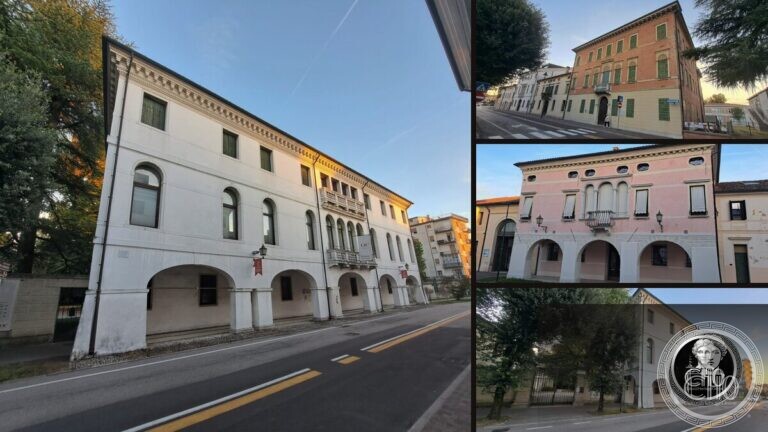
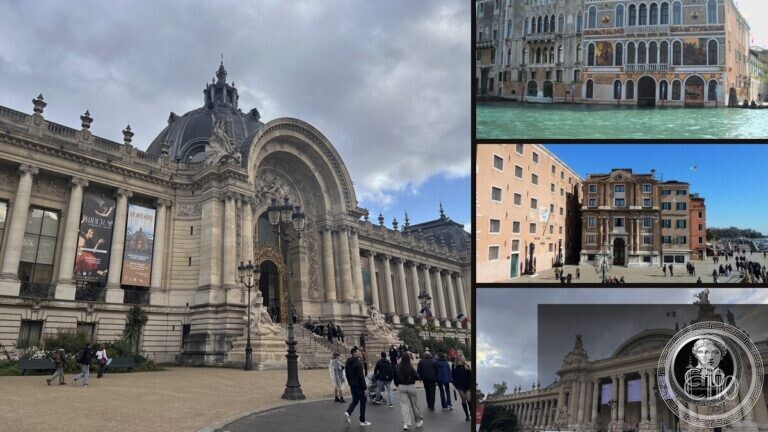
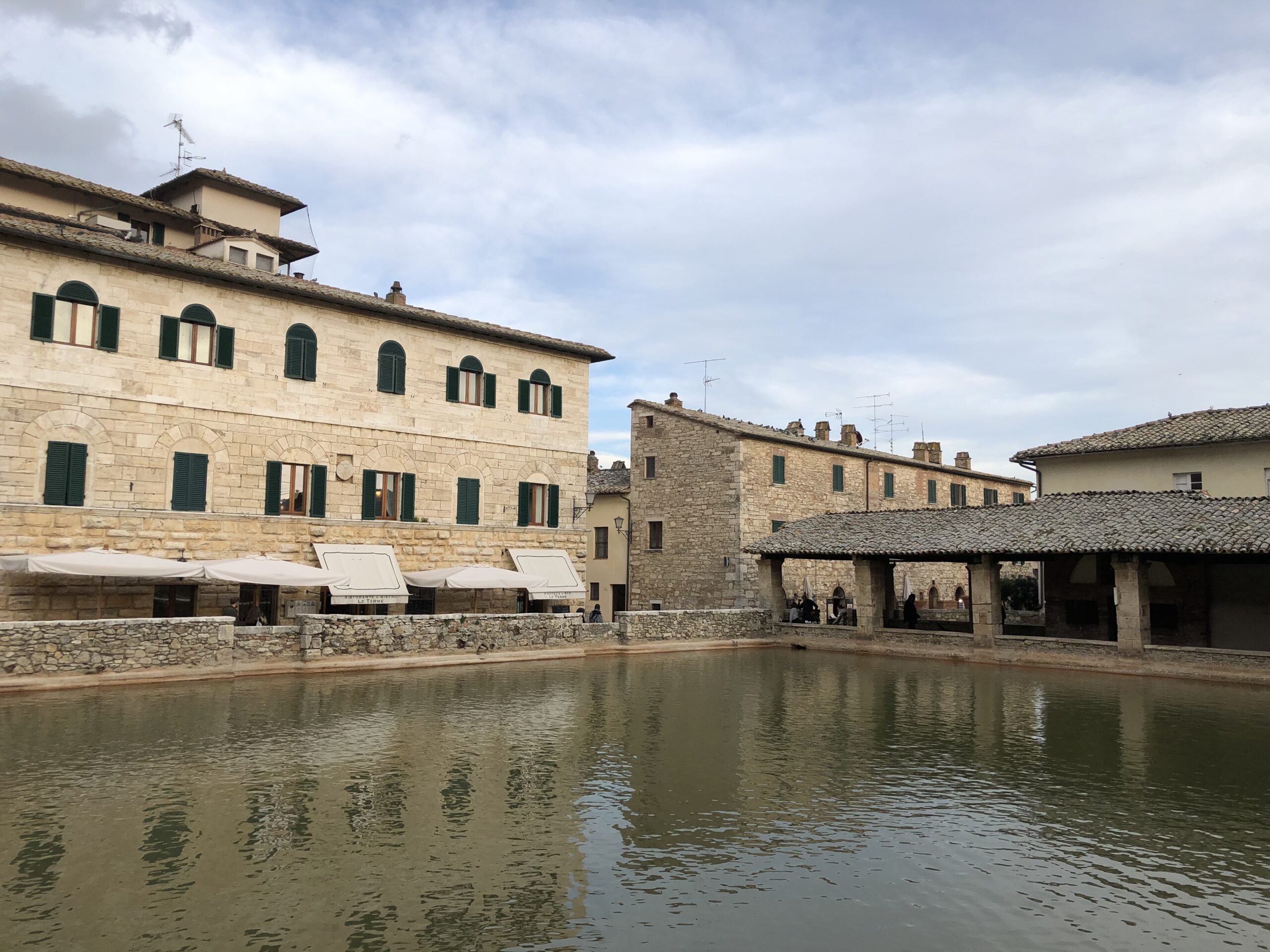
Most destination websites are lists: attractions, museums, restaurants, a map with pins. A list gives names. It does not give sources, it does not give relationships, and it does not give the small heritage that is not already famous.
An AI answer is assembled from pages that answer a question and can be checked. A list is not one of them. The DMO’s own small places, the ones that make the territory different, are the ones that disappear from the answer first.
The network the DMO already owns
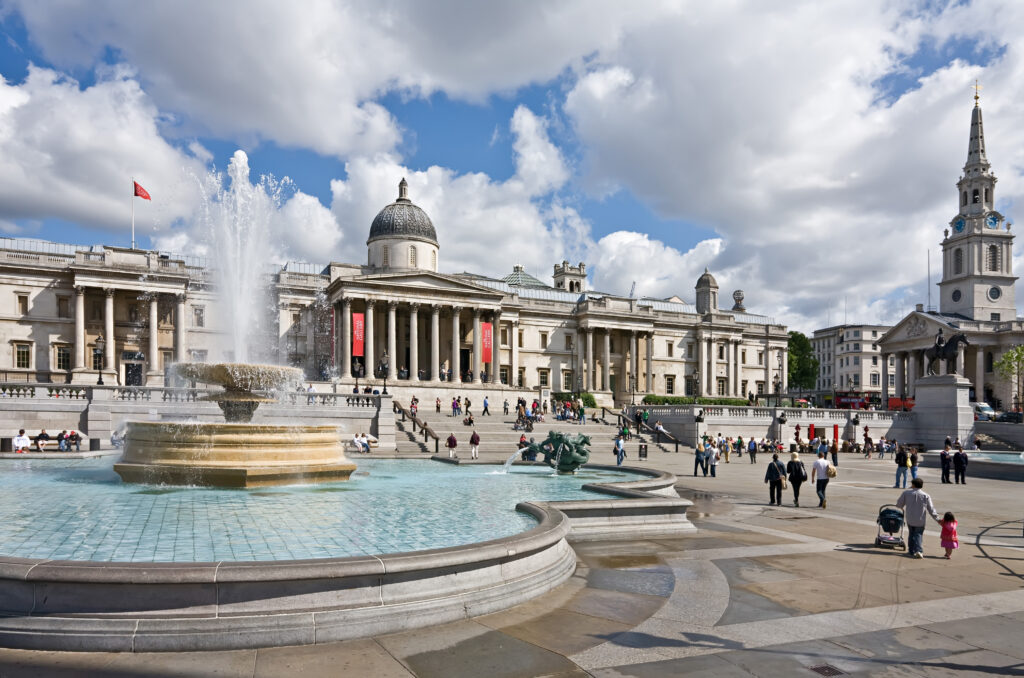
The alternative is a network, not a list: every place a documented page with its sources, the map that connects them, the itinerary that puts them in order. It is the same material the DMO already has, written in the form that a model can cite and a traveller can check.
CHO’s archive has been documenting places since 1998. A destination that joins the network is not adding a directory entry; it is putting its territory into a record that a search engine and an assistant can read.
What it does not do
It does not promise arrivals and it does not replace the DMO’s brand. The territory’s data, its voice and its campaigns stay with the DMO. It gives the territory the structured pages its own AI strategy says it needs.

Sources
- UN Tourism, International tourism holds steady with 0.4% growth in first half of 2026, 17 September 2026: · https://www.untourism.int/news/international-tourism-holds-steady-with-04-growth-in-first-half-of-2026-as-middle-east-conflict-and-rising-costs-weigh-on-momentum
- Ronan Daniel, Sojern study: destinations grapple with marketing in the age of AI, Travolution, 20 February 2026 (sul Sojern State of Destination Marketing 2026): · https://www.travolution.com/en/article/sojern-study-destinations-grapple-with-marketing-in-the-age-of-ai
- Cultural Heritage Online, Founding Partner: · https://culturalheritageonline.com/founding-partner/
Curated by Stefano Vigolo for Cultural Heritage Online.
Spotted an error? Write to editorial@culturalheritageonline.com and we correct it the same day.