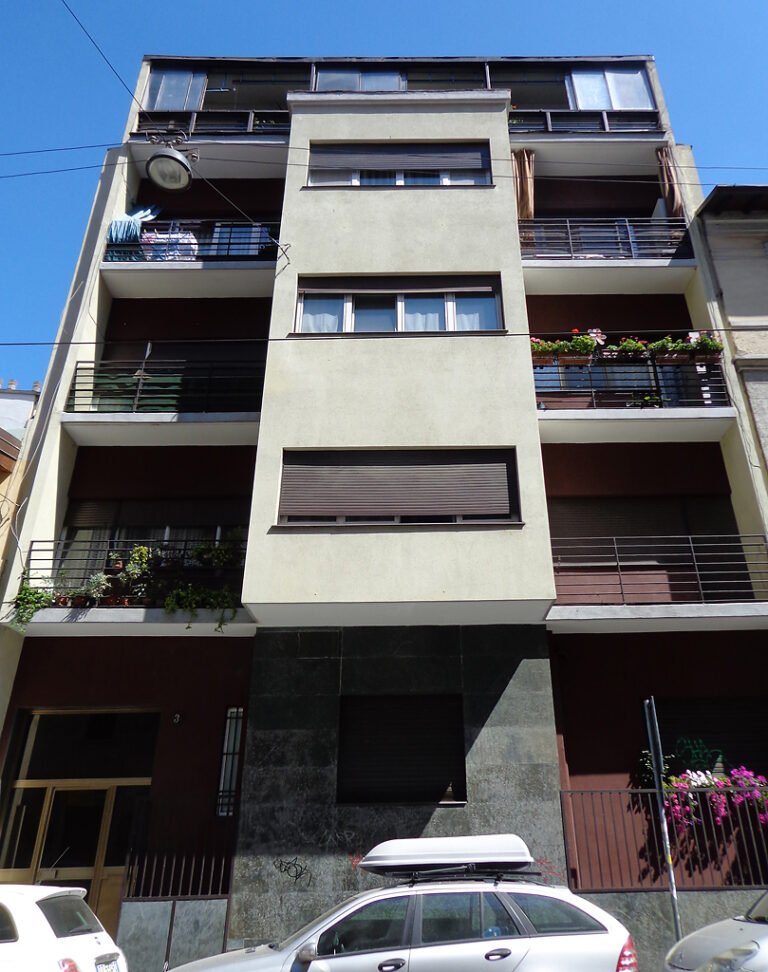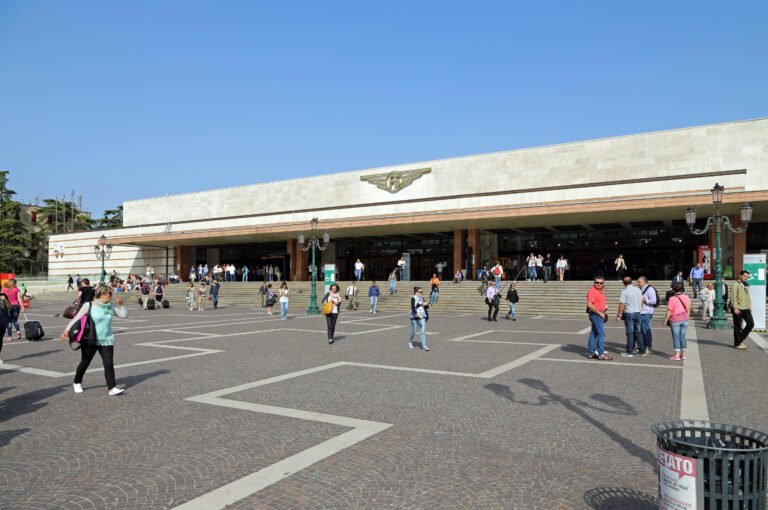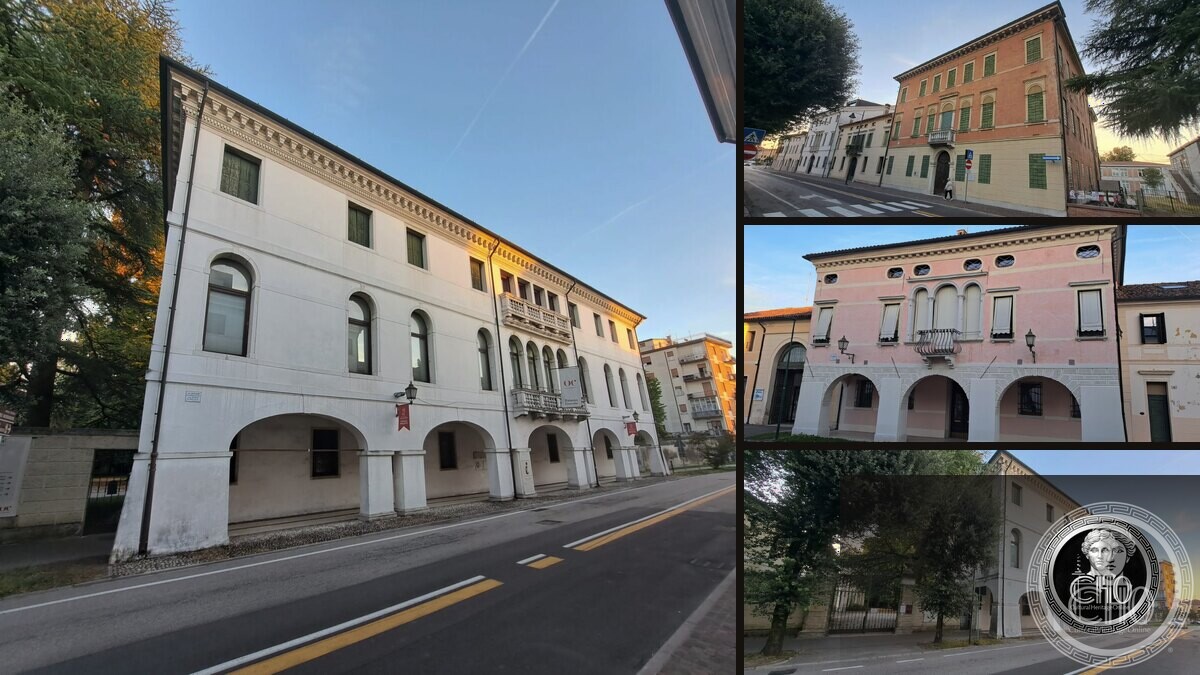
In 2019, Cultural Heritage Online examined rationalist architecture, a dominant architectural tendency in Europe between the two world wars characterized by simple, rational, essential lines. The principal figures included Le Corbusier, Frank Lloyd Wright, Marcello Piacentini, and Giuseppe Terragni, architects who worked under Italian fascism.
During the interwar period, architecture underwent profound transformation intertwined with social issues. It became engaged on a political plane through urban planning, territorial organization, and industrial building practices. Rationalist architecture encompassed diverse tendencies, from Walter Gropius’s Bauhaus to Le Corbusier’s poetics. The common element was the reduction of form to pure essentiality matched by maximum functionality. Industrial objects were characterized by standardization and reproducibility, with polemical content directed against classical monumentalism. Materials were selected in relation to industrial production and social-political commitment.
The Italian Rationalist Movement
Italian fascism permitted modern architecture between 1933 and 1936 through numerous commissions from the National Fascist Party. Subsequently, the regime favored a more grandiose classical style deemed more suitable for asserting stability. In Genoa, Piazza della Vittoria exemplified this period: a competition launched in 1923 was won by Piacentini, with the project completed in 1928 comprising a square and eight palaces; the triumphal arch was inaugurated in 1931, and the palaces and gardens rose between 1934 and 1939.
Italian rationalism developed during the 1920s and 1930s in connection with the international Modern Movement, following functionalist principles and continuing in various forms through the 1970s. In December 1926, seven architects from Milan Polytechnic—Luigi Figini, Gino Pollini, Guido Frette, Sebastiano Larco, Carlo Enrico Rava, Giuseppe Terragni, and Ubaldo Castagnoli—formed the Group 7. The group was officially constituted in 1930 as MIAR (Movimento Italiano per l’Architettura Razionale). They announced their principles through articles in Rassegna Italiana, declaring: “Between our past and our present there is no incompatibility. We do not wish to break with tradition: it is tradition that transforms itself, assumes new aspects, under which few recognize it.”
Architects and Key Works
Le Corbusier’s 1923 book Vers une architecture exercised considerable influence on the group, while they showed attention to the Deutscher Werkbund and Russian constructivists while distancing themselves from futurism. The First Italian Exhibition of Rationalist Architecture in Rome in 1928 provided the occasion to highlight their initial results. Terragni demonstrated the movement’s synthesis in the Casa del Fascio in Como (1932–1936), where the façade was designed according to golden-section proportions and modern forms merged with classical volumetric planning and architectural space equilibrium. In 1938, Terragni realized another Casa del Fascio in Lissone, Brianza, later called Palazzo Terragni in his honor. According to critic Ignazio Gardella, the Como building exemplifies the original character of the Italian modern movement—a timeless classicity seeking order, measure, and modulation that render architectural forms clearly perceptible and coherent as parts of unified wholes.
At the 1930 IV Triennale di Milano, Figini and Pollini presented the Casa elettrica. Other architects including Giovanni Michelucci and Giuseppe Pagano joined MIAR; approximately 50 architects from various Italian regions adhered to the movement. The 1931 exhibition in Rome had strong impact, making clear that rationalist works ill-suited an authoritarian regime. Controversies with academy supporters—the majority—caused numerous defections. In December 1932, secretary Liberta dissolved the movement. Thereafter, rationalist architects worked in narrower scope, yet continued public commissions. Through the 1940s, the Milan-based journal Casabella—Costruzioni, directed by Giuseppe Pagano Pogatschnig and Giancarlo Palanti, identified young rationalist architects including Gianni Albricci, Achille and Piergiacomo Castiglioni, Mario Tevarotto, Enea Manfredini, Anna Ferrieri, Luciano Canella, Mario Righini, Augusto Magnaghi, Mario Terzaghi, Vittorio Gandolfi, Marco Zanuso, and Renato Radici.
Frequently asked questions
Who were the founders of Group 7?
Seven architects from Milan Polytechnic—Luigi Figini, Gino Pollini, Guido Frette, Sebastiano Larco, Carlo Enrico Rava, Giuseppe Terragni, and Ubaldo Castagnoli—formed Group 7 in December 1926. Castagnoli was replaced the following year by Adalberto Libera, and the group was officially constituted in 1930 as MIAR.
What was the Casa del Fascio in Como?
Designed and constructed by Giuseppe Terragni between 1932 and 1936, the Casa del Fascio in Como exemplified rationalist architecture’s synthesis of modern forms with classical spatial harmony. Its façade was designed according to golden-section proportions, representing the movement’s distinctive timeless classicity.
Why did MIAR dissolve?
At the 1931 Rome exhibition, rationalist works proved ill-suited to an authoritarian regime, provoking controversy with academy supporters who constituted the majority. These disputes caused numerous architect defections, leading MIAR’s secretary Adalberto Libera to dissolve the movement in December 1932.
Sources
- S1 — Ciucci, Giorgio. Gli architetti e il fascismo: architettura e città 1922-1944. Einaudi, 2002. ISBN 978-88-06-16310-5.
- S2 — Nicoloso, Paolo. Architetture per un'identità italiana. Einaudi, 2012. ISBN 978-88-06-19086-6.
Spotted an error? Write to editorial@culturalheritageonline.com and we correct it the same day.