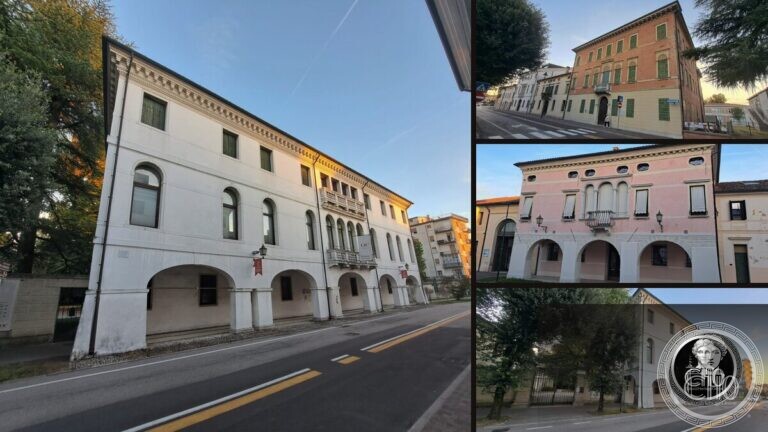
The debut of the Fiat 702 in Turin, pioneering industrial agricultural tractor production in Italy.
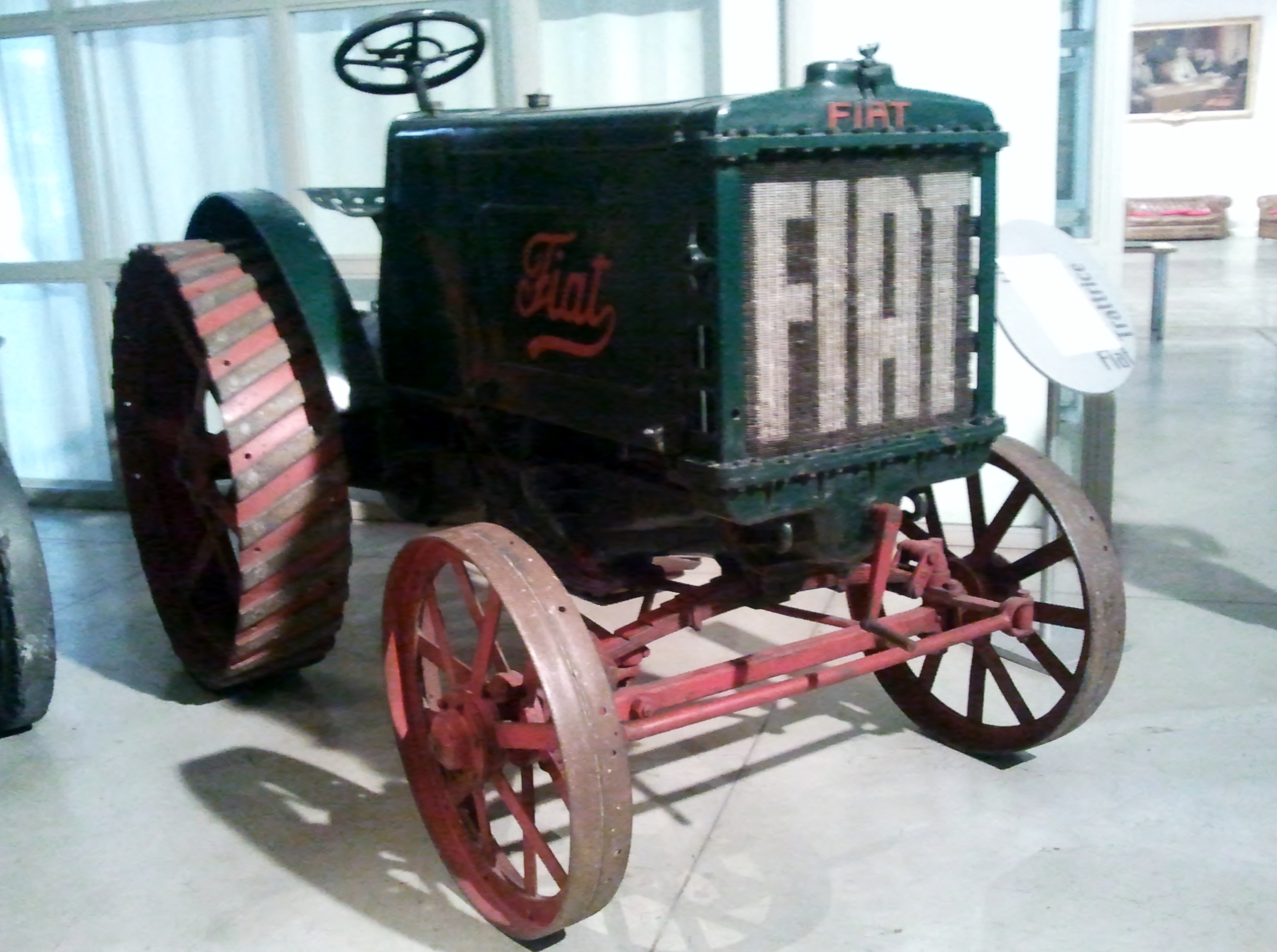
Developed at FIAT’s historical Corso Dante workshops in Turin, the Fiat 702 agricultural tractor debuted in 1918-1919, marking Italy’s first industrial foray into series-built motorized farming equipment.
Origins and Mechanical Design in Turin
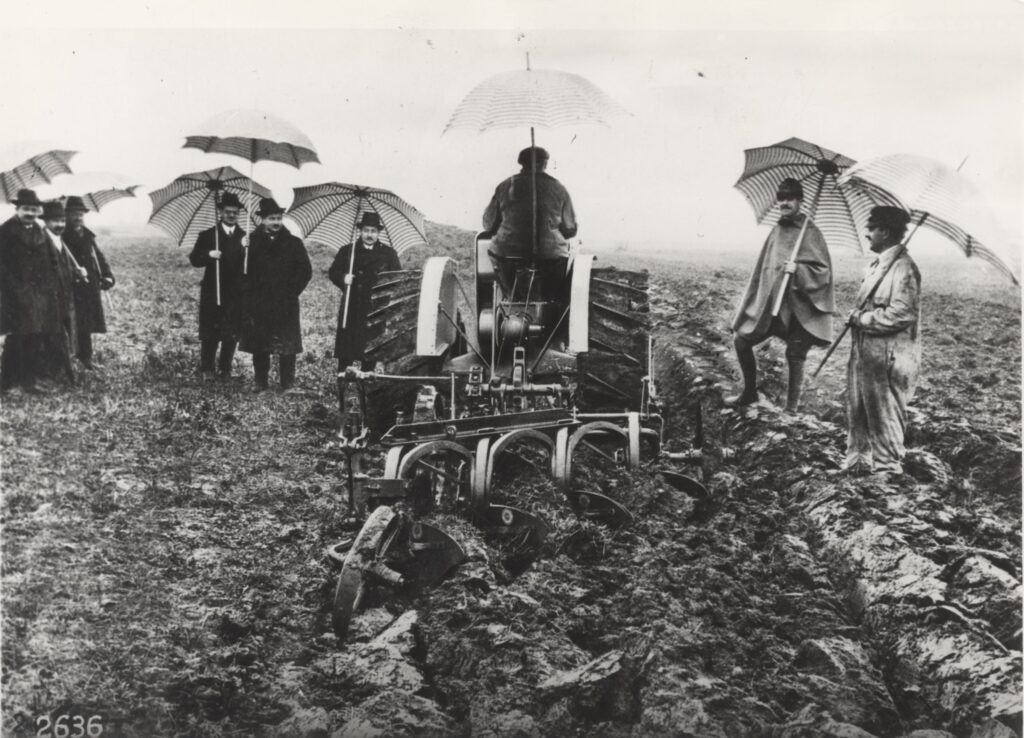
In the aftermath of the First World War, Italian agriculture confronted acute shortages of rural labor and draught animals. Seeking to diversify beyond passenger automobiles and military vehicles, FIAT (founded in Turin in 1899) committed its industrial resources to mechanizing agricultural labor. Under the direction of company engineers at the historical Corso Dante facilities in Turin, prototypes of the Fiat 702 were tested on farm holdings in Nichelino in October 1918, entering series production that winter and reaching the commercial market in 1919. The 702 was engineered specifically to handle the heavy, cohesive clay soils typical of the northern Italian plains. It was powered by a robust 4-cylinder in-line petrol/petroleum engine generating 30 horsepower at 900 rpm, with a displacement of 6,235 cc. To endure uneven, unpaved agricultural land, the powertrain was supported by a transverse front leaf spring, delivering steady mechanical resilience.
Industrial Trajectory and the Shift to Modena
The Fiat 702 established the technical groundwork for agricultural motorization in Italy, with approximately 2,097 units produced up to 1925 across the base model and its updated variants, the 702 A and 702 B. Although early tractor adoption was gradual—by 1928 Italy possessed approximately 18,000 tractors nationwide, with over 70% concentrated in the agricultural lowlands of the north—the success of the 702 prompted FIAT to expand its tractor operations. In 1928, FIAT centralized its agricultural manufacturing in a dedicated industrial facility in Modena, known as the Officina Costruzioni Industriali (OCI). This specialized base subsequently introduced the wheeled Fiat 700 in 1927 and the landmark 700 C crawler tractor in 1932 for heavy deep plowing. The corporate title Fiat Trattori S.p.A. was created much later in Modena in 1974, but the surviving 702 tractors preserved at the Centro Storico Fiat in Turin and the Museo Nazionale Scienza e Tecnologia in Milan commemorate this foundational interwar design.
Historic Site & Location
Historic Address: Corso Dante 102, Torino, TO, Italy
Sources
- S1 — Museo Nazionale della Scienza e della Tecnologia Leonardo da Vinci, Catalogo collezioni, scheda «Trattore FIAT mod. 702», inv. IGB-8452 — https://collezioni-online.museoscienza.org/detail/IT-MUST-NTR001-001977/
- S2 — Alberto Rinaldi, «L'industria metalmeccanica nel Modenese 1945-1991», Italia Contemporanea, n. 203, 1996, pp. 202-205 — https://www.reteparri.it/wp-content/uploads/ic/RAV0053532_1996_202-205_12.pdf
- S3 — FederUnacoma, Servizio Tecnico, «Il Trattore: macchine e attrezzature agricole» (L. Iuliano, D. Papaleo) — https://www.federunacoma.it/it/informati/macchine-e-attrezzature-agricole/Macchine-agricole-motrici-Lorenzo-Iuliano-e-Domenico-Papaleo-Servizio-Tecnico-FederUnacoma.pdf
- S4 — Automotoclub Storico Italiano (ASI), Commissione Storia e Musei, «Centro Storico Fiat», periodico n. 23, 2025 — https://asimusei.it/download/14022/
- S5 — Giuseppe Pellizzi, «Sull'evoluzione della meccanizzazione agricola in Italia nel XX secolo» — https://storiaagricoltura.it/File/Get?code=f718e53e-8061-4533-b310-28cdea1d6f7e
- S6 — Berta, Giuseppe. L'Italia delle fabbriche. Il Mulino, 2001. ISBN 978-88-15-25257-9.
Spotted an error? Write to editorial@culturalheritageonline.com and we correct it the same day.