The rise of artificial silk production in the Aosta Valley.
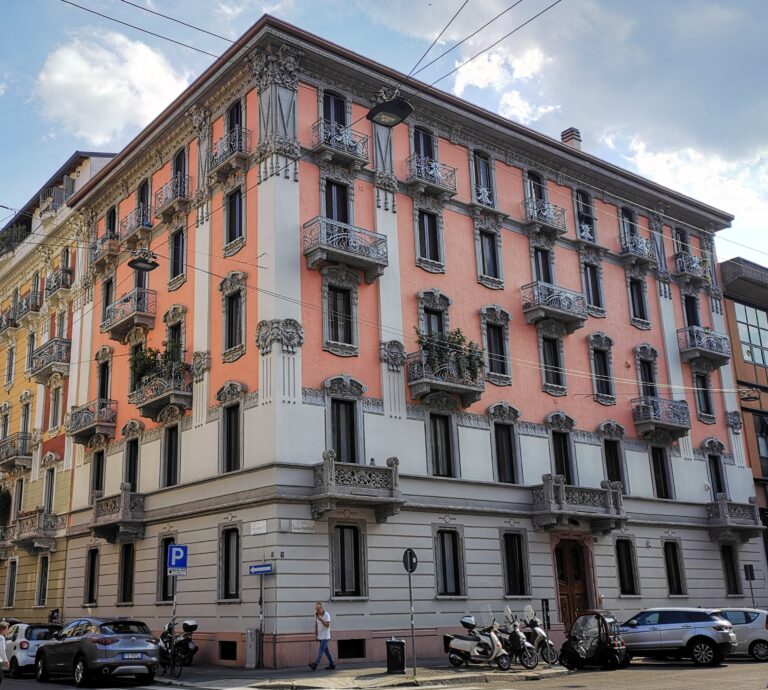
Incorporated on August 9, 1918, in Milan, La Soie de Châtillon became the second-largest producer of artificial silk (viscose rayon) in Italy, establishing its primary manufacturing plant in the Aosta Valley.
The Birth of Viscose Rayon Production
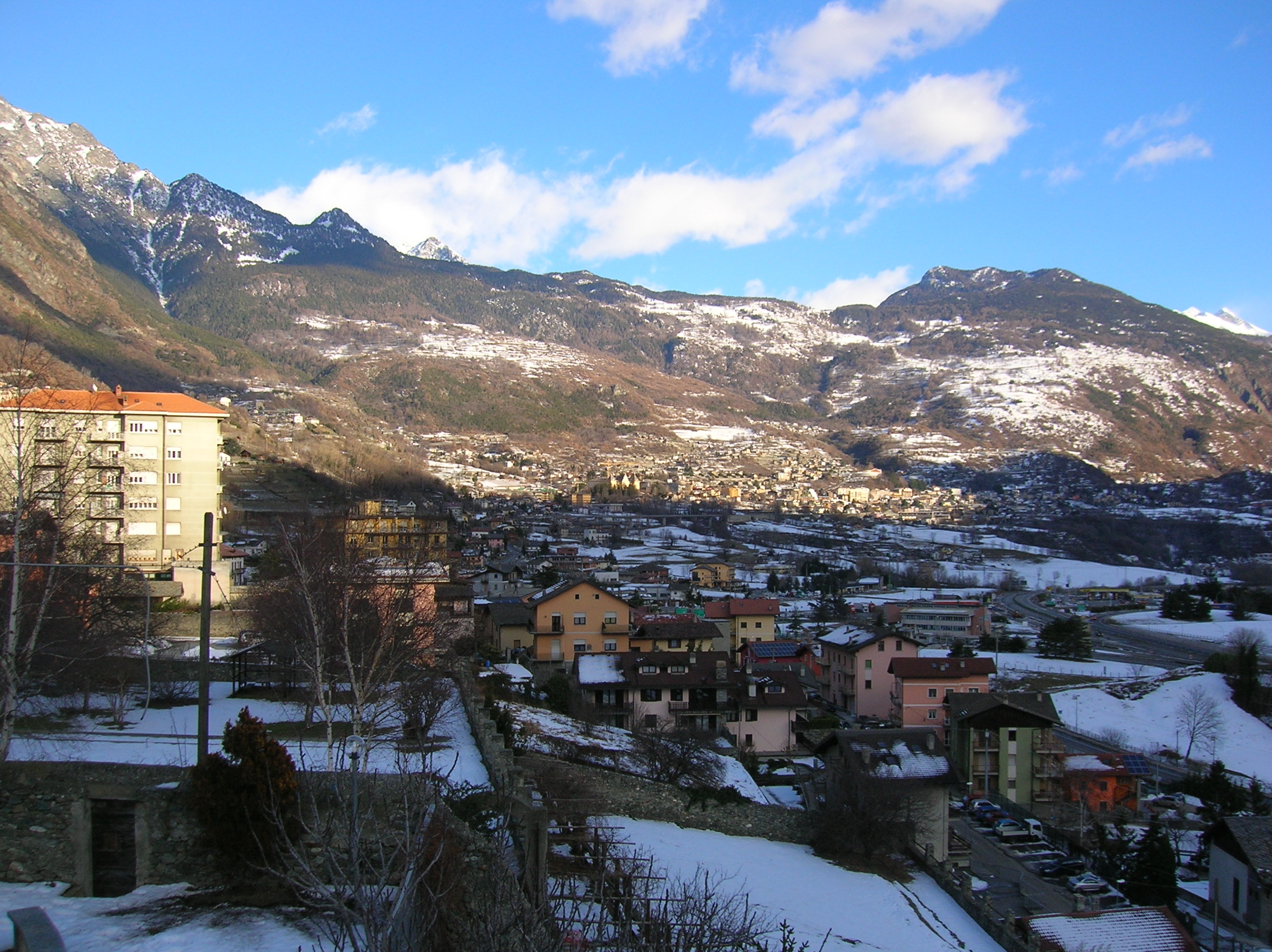
La Soie de Châtillon was formally constituted in Milan in August 1918 to capitalize on the burgeoning demand for artificial fibers. The company strategically located its primary industrial plant in the town of Châtillon, in the Aosta Valley, drawn by the availability of abundant water and hydroelectric power, which were essential for the energy-intensive chemical processes required to produce viscose rayon. Often marketed as ‘artificial silk’, viscose is a regenerated cellulosic fiber, distinct from later synthetic fibers like nylon. The establishment of the factory at Rue de la Gare fundamentally altered the local economy, creating a massive industrial footprint in a previously rural alpine environment. By integrating chemical preparation with continuous filament spinning, the Châtillon plant became a cornerstone of Italy’s rapidly expanding artificial textile sector.
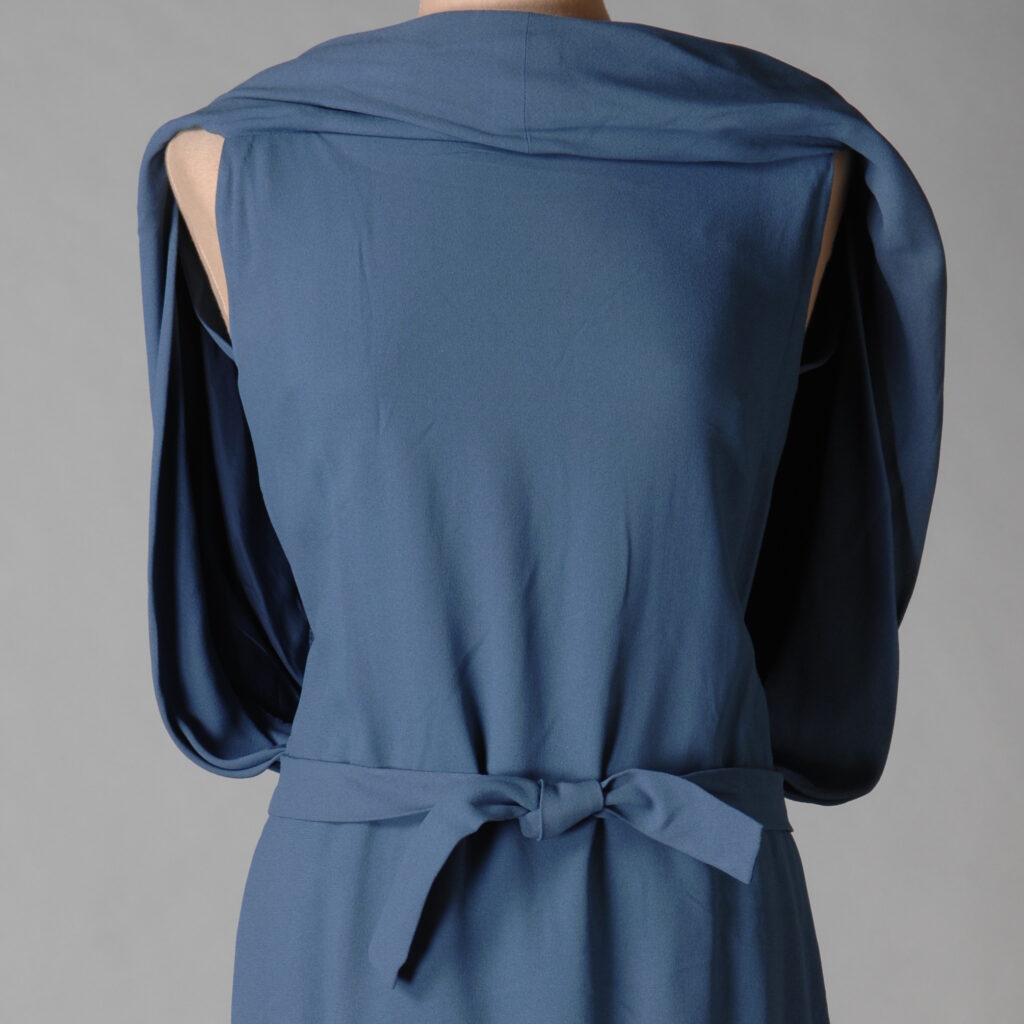
Industrial Integration and Expansion
Throughout the 1920s, the company pursued an aggressive strategy of vertical and horizontal integration. To support its massive output, La Soie de Châtillon expanded its operations beyond the Aosta Valley, establishing complementary processing and textile manufacturing plants in Ivrea, Vercelli, Rho, and Parabiago. This integrated supply chain allowed the firm to control the entire production cycle, from chemical synthesis to finished yarns. By 1929, the company had secured its position as the second-largest producer of artificial fibers in Italy—trailing only the giant Snia-Viscosa—accounting for approximately 25% of national production and 4% of global output. In 1930, reflecting its national scale, the company officially changed its name to Châtillon – Società Anonima Italiana per le Fibre Tessili Artificiali. The historic Châtillon plant continued operations for several decades before finally closing its doors in 1983.
Following its industrial closure in 1983, the expansive manufacturing site at Rue de la Gare 41 was repurposed for electronics manufacturing under the Tecdis company before operations permanently ceased. Today, the monumental industrial structure remains an identifiable post-industrial complex and historical landmark along the Dora Baltea valley in Châtillon.
Historic Site & Location
Historic Address: Rue de la Gare 41, Châtillon, AO, Italy
Sources
- S1 — Treccani, Dizionario Biografico degli Italiani, vol. 10 (1968), voce «BIROLI, Marco» di V. Castronovo — https://www.treccani.it/enciclopedia/marco-biroli_(Dizionario-Biografico)/
- S2 — Centro per la cultura d'impresa «Zabban» (Milano), profilo *Montefibre Spa* (da G. De Luca, 2002) — https://www.culturadimpresa.org/zabban/portfolio/montefibre-spa/
- S3 — Fondazione 1563 per l'Arte e la Cultura, *L'attività creditizia in Valle d'Aosta (1880-1980)*, 2026 (C. Bermond, C. Cantaluppi, G. Nuvolari) — PDF — https://www.fondazione1563.it/wp-content/uploads/2026/03/Bermond-Cantaluppi-Nuvolari-Fondazione-1563-2026.pdf
- S4 — Société Chimique de France, J.-M. Michel, *Contribution à l'histoire industrielle des polymères en France* — voce «La Soie de Chatillon» — PDF — https://new.societechimiquedefrance.fr/wp-content/uploads/2021/05/a_3_700_000.vfx2_sav.pdf
- S5 — Vallée d'Aoste Structure S. a r.l. (società pubblica regionale), *Condizioni di vendita … complesso «CHT02» (ex Tecdis) in Comune di Chatillon* — PDF — https://web.archive.org/web/2024id_/https://www.svda.it/d/5108/5_cht02_condizioni-di-vendita.pdf
- S6 — Berta, Giuseppe. L'Italia delle fabbriche. Il Mulino, 2001. ISBN 978-88-15-25257-9.
Spotted an error? Write to editorial@culturalheritageonline.com and we correct it the same day.