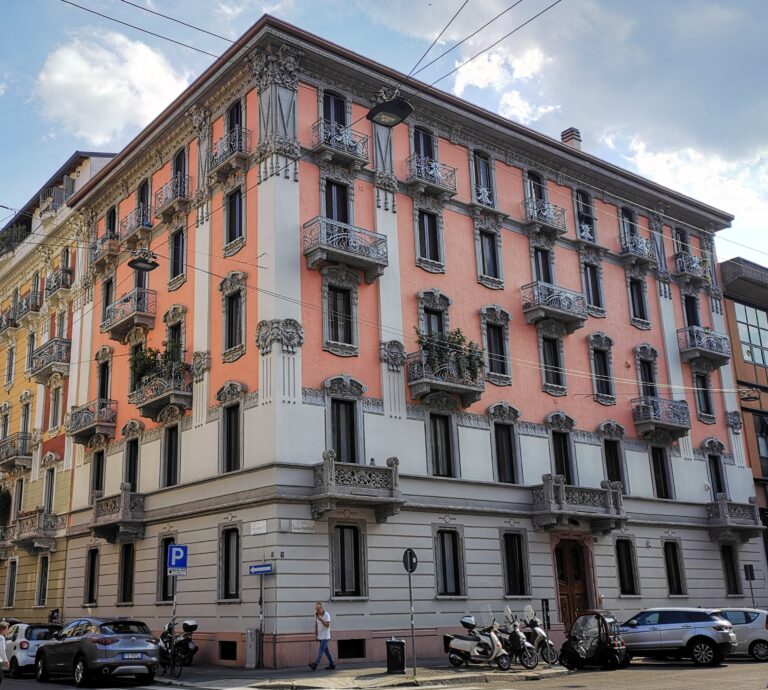
The transformation of the Muggiano shipyard into Ansaldo-San Giorgio, building naval vessels and submarines in La Spezia.
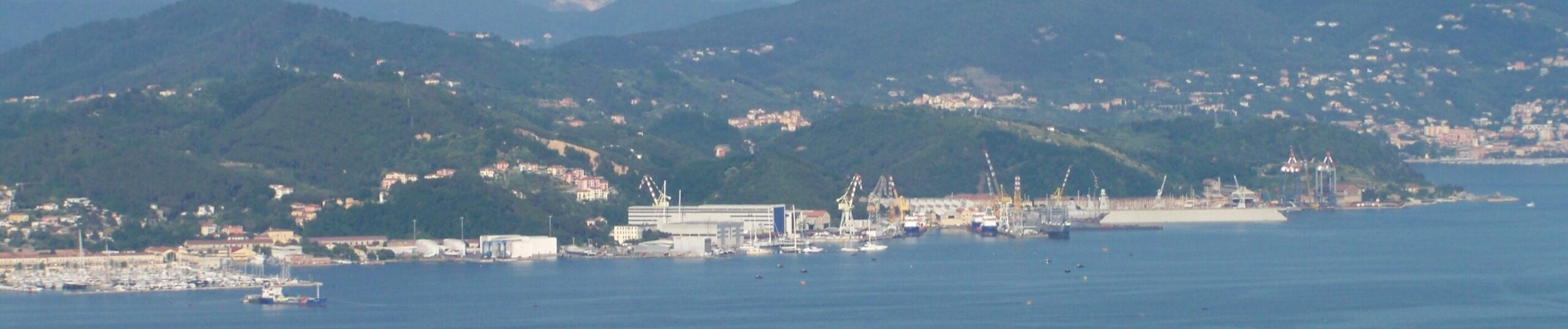
Formed in 1918 through the reorganization of the Muggiano shipyard in La Spezia under Ansaldo management, Ansaldo-San Giorgio became a key naval construction facility, producing major surface warships and submarines throughout the interwar era.
Origins of the Muggiano Yard
The industrial facility at Muggiano in the Gulf of La Spezia originated in the late nineteenth century, undergoing substantial expansion in 1907 when FIAT acquired the Genoa electromechanical firm San Giorgio to form the joint company FIAT-San Giorgio. In 1916, during the industrial mobilization of World War I, operational management of the Muggiano shipyard passed under the direction of the Perrone family, the owners of the Ansaldo industrial conglomerate. In 1918, the shipyard was formally renamed Ansaldo-San Giorgio, reflecting Perrone corporate governance. The facility operated strictly as a specialized naval shipyard in eastern Liguria, maintaining a distinct corporate and operational existence from Ansaldo’s primary shipyards located at Sestri Ponente near Genoa, which remained dedicated to heavy metallurgy and commercial ocean liners.
Submarine and Cruiser Construction
During the interwar decades, Ansaldo-San Giorgio’s Muggiano yard developed an international reputation for naval engineering, particularly in the construction of submersibles and combat warships. The shipyard constructed more than 50 submarines for the Regia Marina and foreign navies, alongside substantial surface combatants. Major naval contracts fulfilled at Muggiano included the heavy cruiser Zara (displacing over 10,000 tons), as well as light cruisers such as the Armando Diaz and Luigi di Savoia Duca degli Abruzzi. The facility also manufactured modern commercial cargo and passenger motorships, including the Arborea. While later postwar corporate spin-offs—such as the distinct electromechanical firm Ansaldo San Giorgio S.p.A. founded in Genoa in 1949—manufactured electrical traction and hydroelectric machinery, the 1918 Muggiano enterprise stood fundamentally as a premier center of Italian maritime and naval construction.
Historic Site & Location
Historic Address: Viale San Bartolomeo, La Spezia, SP, Italy
Sources
- S1 — Fondazione Ansaldo / rivista Culture e Impresa n. 4/2006, «Il Cantiere Navale del Muggiano tra Storia e Futuro» — http://www.cultureimpresa.it/04-2006/italian/pdf/storia_del_cantiere_del_muggiano.pdf
- S2 — Museo OTO Melara, «Archivio Oto Melara 1902-1972. Inventario», pp. 12-15 — https://www.museodellamelara.it/wp-content/uploads/2026/03/archivio_oto_melara.pdf
- S3 — Treccani, Enciclopedia Italiana (1929), voce «ANSALDO, cantieri e officine» — https://www.treccani.it/enciclopedia/cantieri-e-officine-ansaldo_(Enciclopedia-Italiana)/
- S4 — Fondazione Fiera Milano, Archivio storico, profilo entità «Ansaldo San Giorgio» (1949 vs 1918) — https://archiviostorico.fondazionefiera.it/entita/1475-ansaldo-san-giorgio
- S5 — Berta, Giuseppe. L'Italia delle fabbriche. Il Mulino, 2001. ISBN 978-88-15-25257-9.
Spotted an error? Write to editorial@culturalheritageonline.com and we correct it the same day.