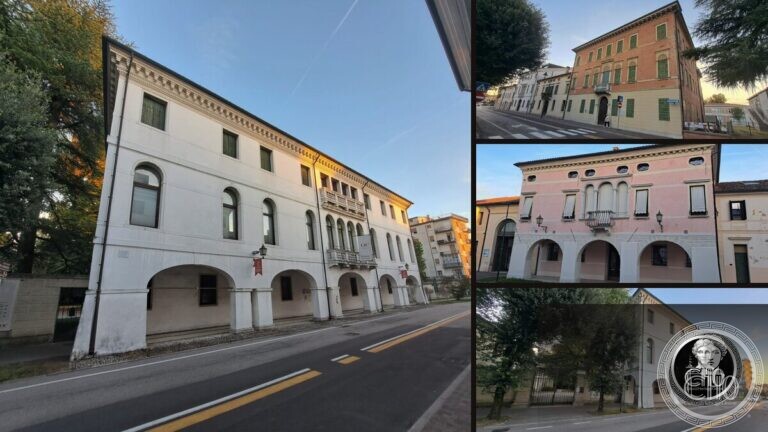
Giuseppe Cipriani’s Venetian establishment on Calle Vallaresso, birthplace of the Bellini and carpaccio.
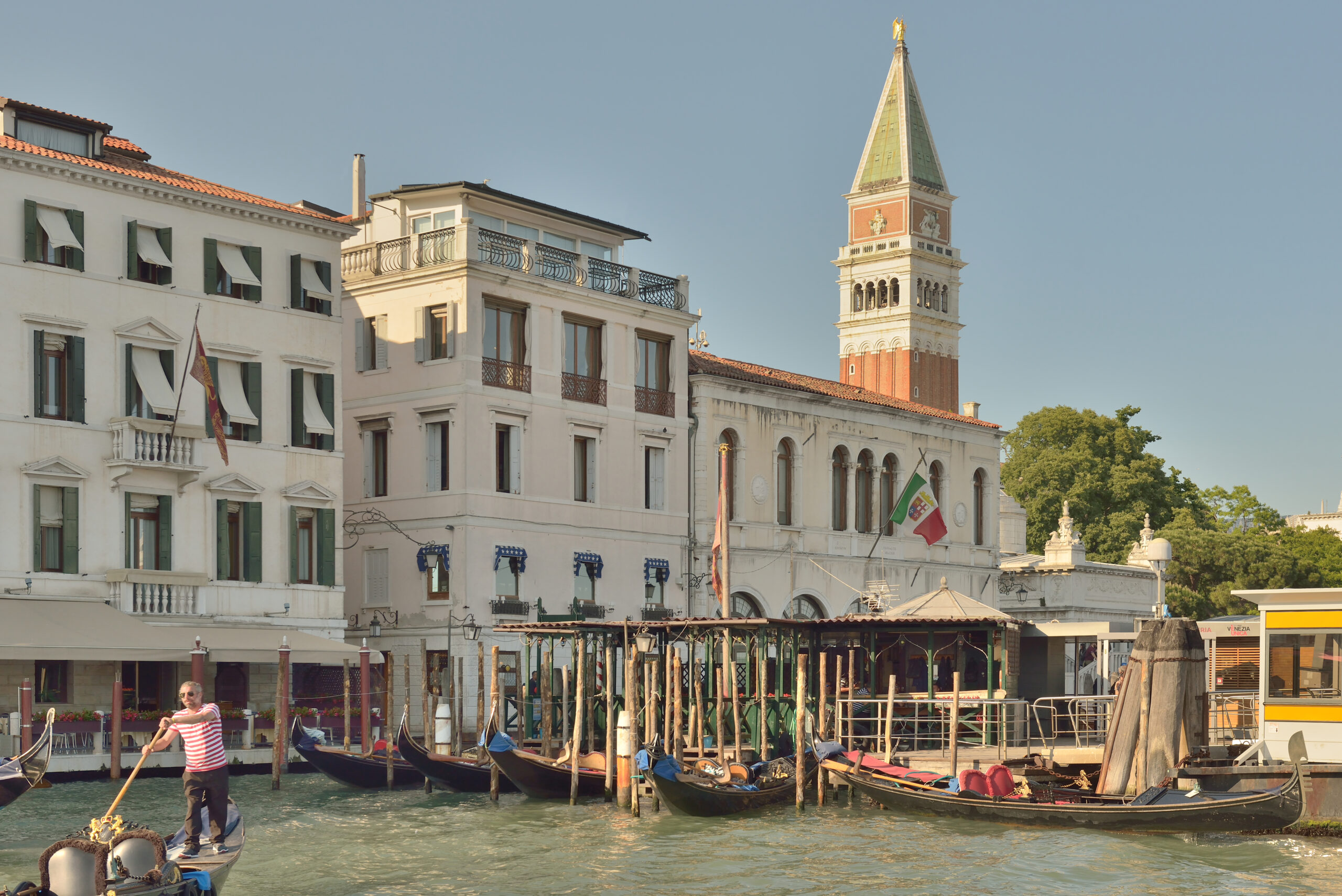
Opened on May 13, 1931, by Giuseppe Cipriani near Piazza San Marco in Venice, Harry’s Bar established a discreet standard of hospitality, becoming an international cultural landmark and the birthplace of classic culinary creations.
Founding on Calle Vallaresso
The establishment of Harry’s Bar originated from an encounter between barman Giuseppe Cipriani and a young American visitor, Harry Pickering. When Pickering experienced financial difficulty in Venice, Cipriani lent him substantial personal savings. Months later, Pickering returned to Venice, repaid the initial sum, and provided additional capital to enable Cipriani to launch his own establishment, suggesting the name Harry’s Bar in celebration of their friendship. Located at Calle Vallaresso 1323, just steps from the Grand Canal and Saint Mark’s Basin, the bar opened on May 13, 1931. Unlike the cavernous, ornate historic coffee houses that lined Piazza San Marco, Cipriani deliberately shaped Harry’s Bar as an understated, compact venue characterized by warm woodwork, simple furnishings, and meticulous attention to personal service.
Cultural Luminary and Culinary Innovations
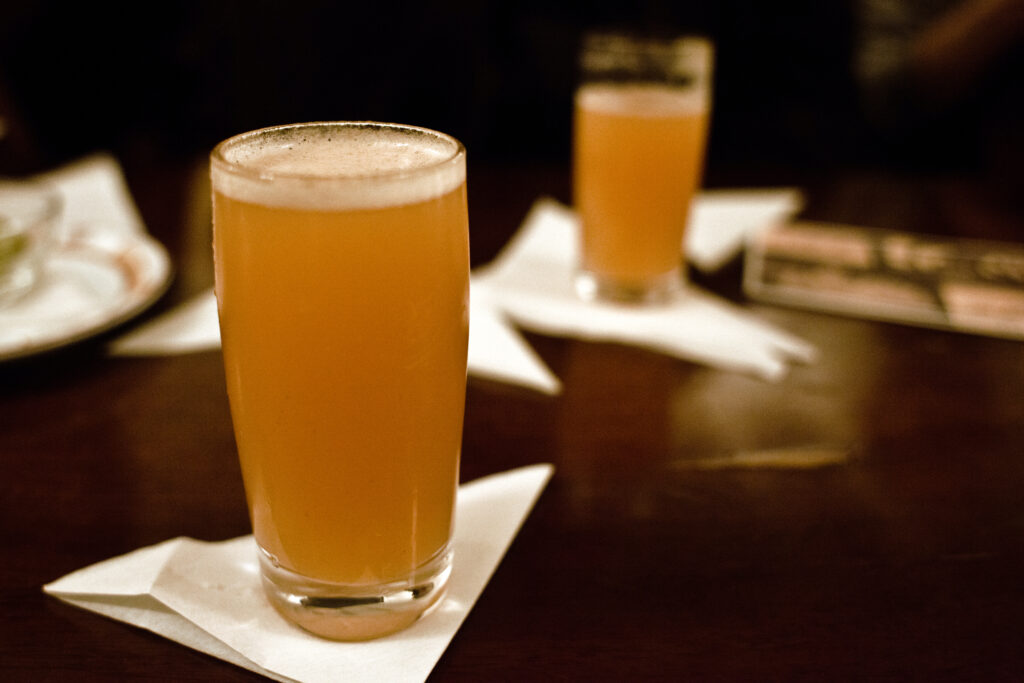
Throughout the 1930s and postwar decades, Harry’s Bar became a favored gathering place for international writers, artists, and prominent travelers. Ernest Hemingway established a renowned connection with the venue, maintaining a reserved table during the winter of 1949–1950 while completing his novel ‘Across the River and into the Trees’, which featured the Venetian locale in several passages. The bar also produced two of Italy’s most famous gastronomic inventions: in 1948, Cipriani created the Bellini cocktail, blending Prosecco with fresh white peach puree; in 1950, he invented carpaccio, preparing thinly sliced raw beef dressed with a mustard sauce for Countess Amalia Nani Mocenigo, naming the vivid red dish after the Renaissance painter Vittore Carpaccio. In April 2004, the Italian Ministry of Cultural Heritage officially granted Harry’s Bar the status of a national monument, recognizing its enduring place in twentieth-century cultural history.
Historic Site & Location
Historic Address: Calle Vallaresso 1323, Venezia, VE, Italy
Sources
- S1 — High Court of England and Wales, Hotel Cipriani SRL & Ors v Cipriani Ltd [2008] EWHC 3032 (Ch), §§ 19-21 — https://caselaw.nationalarchives.gov.uk/ewhc/ch/2008/3032
- S2 — Corriere della Sera, «L'Harry's Bar diventa monumento nazionale», 12/04/2004, decreto Min. Beni Culturali — https://www.corriere.it/Primo_Piano/Cronache/04_Aprile/12/harry'sbar.shtml
- S3 — RTBF Actus, «L'origine surprenante du Carpaccio: la comtesse Amalia Nani Mocenigo», 30/04/2019 — https://www.rtbf.be/article/l-origine-surprenante-du-carpaccio-10207989
- S4 — Identità Golose, Guida ai ristoranti, scheda profilo «Arrigo Cipriani: Harry's Bar» — https://www.identitagolose.it/sito/it/6/18984/chef-e-protagonisti/arrigo.html
- S5 — Berta, Giuseppe. L'Italia delle fabbriche. Il Mulino, 2001. ISBN 978-88-15-25257-9.
Spotted an error? Write to editorial@culturalheritageonline.com and we correct it the same day.