The origins of FIAT’s entry into railway manufacturing.
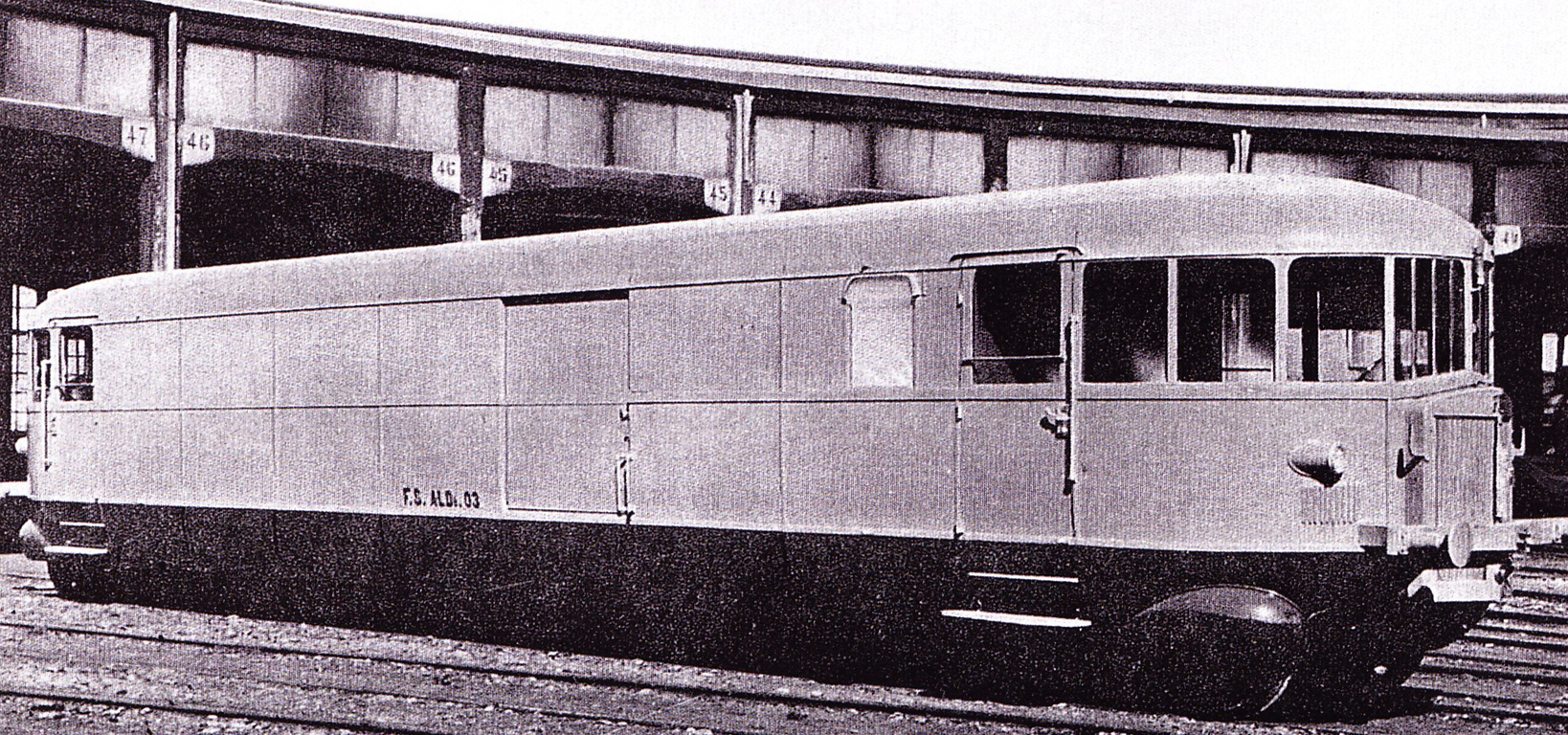
Established in 1917 through the acquisition of the historic Officine Diatto, the FIAT Sezione Materiale Ferroviario marked the Turin automaker’s strategic expansion into heavy railway manufacturing.
Expansion into Heavy Industry
In 1917, during the industrial mobilization of World War I, FIAT aggressively diversified its operations beyond automobiles by formally entering the railway manufacturing sector. This expansion was achieved through the acquisition and absorption of the Officine Diatto, a venerable Turin-based engineering firm founded in 1835. Reorganized as the FIAT Sezione Materiale Ferroviario (later known as Materfer), the new division inherited Diatto’s facilities and expertise. Operating from a massive 47,000-square-meter industrial plant located at Via Rivalta in the Borgo San Paolo district of Turin, the division initially focused on the large-scale production of passenger coaches, freight cars, and essential railway components such as bogies. This strategic move allowed FIAT to apply its vast manufacturing capabilities and emerging expertise in internal combustion engines to the railway sector, setting the stage for future innovations.
The Era of the Littorina
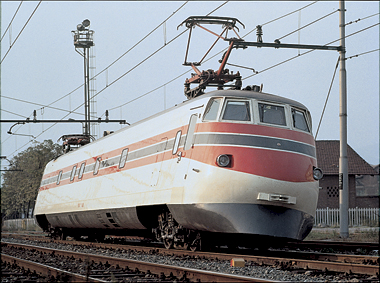
While FIAT produced a wide array of conventional rolling stock, the division’s most revolutionary contribution to interwar transport was the development of the self-propelled thermal railcar, famously known as the ‘Littorina’. Unveiled in December 1932 and entering mass production by 1934, the Littorina represented a paradigm shift in local passenger transit. By utilizing lightweight construction techniques derived from the automotive and aeronautical sectors, combined with reliable FIAT diesel and petrol engines, these railcars offered a fast, economical alternative to heavy steam trains on secondary and branch lines. The immense success of the Littorina domestically and internationally cemented FIAT’s reputation as a major player in railway engineering, a legacy that would continue with post-war developments like the ALn 668 series and eventually culminate in the tilting ‘Pendolino’ trains of the late 20th century.
The historic manufacturing plant at Via Rivalta operated until the 1970s, when FIAT consolidated railway manufacturing in Savigliano. The industrial complex in Borgo San Paolo was subsequently decommissioned and demolished; the former factory grounds are occupied today by a modern residential neighborhood and public urban green spaces.
Historic Site & Location
Historic Address: Via Rivalta 61/A, Torino, TO, Italy
Sources
- S1 — Club CDT (Antonio Errichiello), *Profilo tecnico-storico dell'Alstom Ferroviaria di Savigliano* (PDF) — http://clubcdt.it/wp-content/uploads/2021/10/Note-tecnico-storiche-Alstom-Ferroviaria.pdf
- S2 — MuseoTorino / ISMEL, scheda impresa «Fiat Materiale Ferroviario» — https://museotorino.it/view/preview/c3da6ac4f1af41a689fd012759801839/b244dbe094ec4e1d91cf073bbd65f988
- S3 — MuseoTorino / ISMEL, scheda luogo «Ex stabilimento Fiat Sezione Materiale Ferroviario», via Rivalta 61/A — https://www.museotorino.it/view/s/5ba56b8f48df44c2bd1dd62fa668f124
- S4 — Fondazione FS Italiane, *Dagli ETR.200 all'ETR.232 «Polifemo»* — https://www.fondazionefs.it/it/focus-tematici/2021/3/1/dagli-etr-200-all-etr-232–polifemo–.html
- S5 — Biblioteca Salaborsa (Comune di Bologna), Cronologia 1939 — record mondiale di velocità ferroviaria — https://www.bibliotecasalaborsa.it/bolognaonline/cronologia-di-bologna/1939/record_mondiale_di_velocit_ferroviaria_sulla_linea_direttissima
- S6 — Berta, Giuseppe. L'Italia delle fabbriche. Il Mulino, 2001. ISBN 978-88-15-25257-9.
Spotted an error? Write to editorial@culturalheritageonline.com and we correct it the same day.